
“Over 730 men and women who’ve come home now through our program, the vast majority of them have rebuilt their lives or are really impacting this community in a way that’s immeasurable,” said Andrew Hundley, executive director of the Parole Project.
That effort centers in Baton Rouge, addressing an incarceration crisis where Louisiana holds the highest per capita imprisonment rate in the nation, according to the Bureau of Statistics. The Parole Project works to guide formerly incarcerated individuals as they re-enter society, growing from a single court case into an organization that has supported 738 people since its inception.
Hundley understands the transition firsthand, having served as the state’s first juvenile lifer granted parole following the U.S. Supreme Court decisions in Miller v. Alabama and Montgomery v. Louisiana. He has been home for ten years after returning in 2016.
“I had been locked up at that time, you know, 51 years,” said James Cummings, reflecting on a sentence that spanned more than half a century. “And it was so great, you know, because I thought maybe when I first got busted, you know, that everything was over, you know, for me, you know.”
Cummings initially expected to pass the time day by day until his death behind bars. Instead, he found a path forward through community support upon his release.
The organization relies entirely on a peer-led model where every re-entry specialist has walked the same path.
“There are oftentimes people who come home from prison feel like they have a scarlet A on their chest, and that everyone in society is judging them,” Hundley said.
“You know, doesn’t want them to succeed or assume that they’re going to fail. So it’s important that this organization’s peer led. That way when our clients come to our doors, they know that it’s someone who’s been in my shoes.”
Acclimating to modern life introduces unexpected hurdles for individuals who spent decades away from society. Everyday tools that civilians take for granted often present the steepest learning curves.
“Technology, these phones, I would say for our clients, is one of our biggest hangs up,” said LeAnn Jochum, a re-entry specialist with the program. “You go in from people who’s not even nowhere close to being technology literate at all. Some types still don’t even know how to read and write, you know, they did 50, 40 years.”
Clients are thrust into a completely digitized environment far removed from the analog world they left behind decades prior.
“Your whole life is done over the phone,” Jochum explained. “So you take in a client who came from an age where there was no really computers, phones, none of these smart watches, smart TVs, smart refrigerators. And then you throw them in a world that’s completely designated as smart.”
Despite these steep technological and societal barriers, the staff witnesses profound transformations among program participants.
“To see hope on people’s faces that once had no hope,” Jochum said. “They had no light left in their eyes. It was them and I see it brought back light. You can never replace that feeling.”
Details about the organization and its re-entry work are available through the Parole Project website.

Wildwood Crest to Double Metered Parking Rates to $3 per Hour in 2027
Starting next summer, visitors heading to Wildwood Crest, New Jersey, will pay more to park their cars near...

Cardinals Turn to Rookie Carson Beck for Sunday Start Against Rams
Carson Beck moves from the third string to the starting lineup this Sunday after a rapid series of...
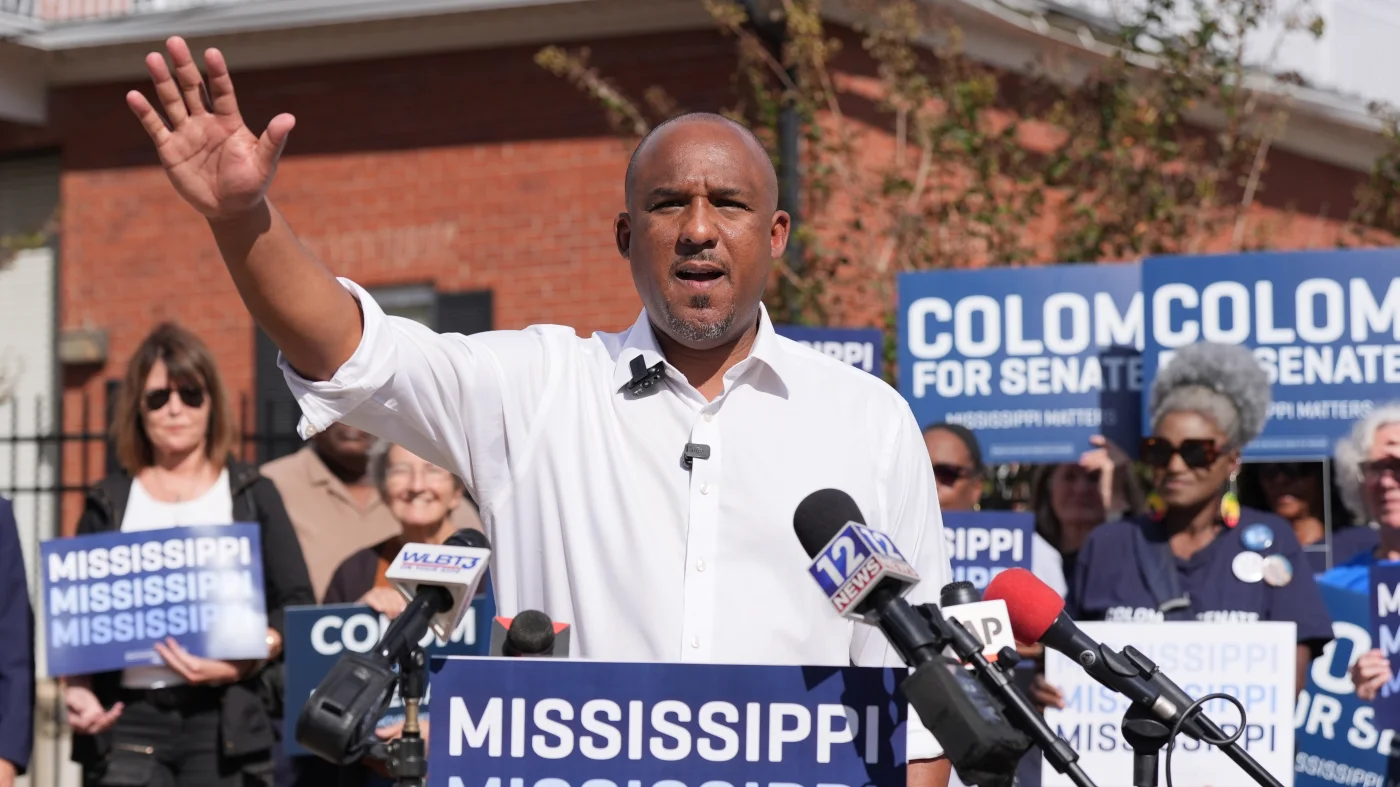
Scott Colom Defeats Cindy Hyde-Smith in Historic Mississippi Senate Upset
Mississippi has elected Scott Colom to the United States Senate, a political outcome that defies the state’s long-standing...
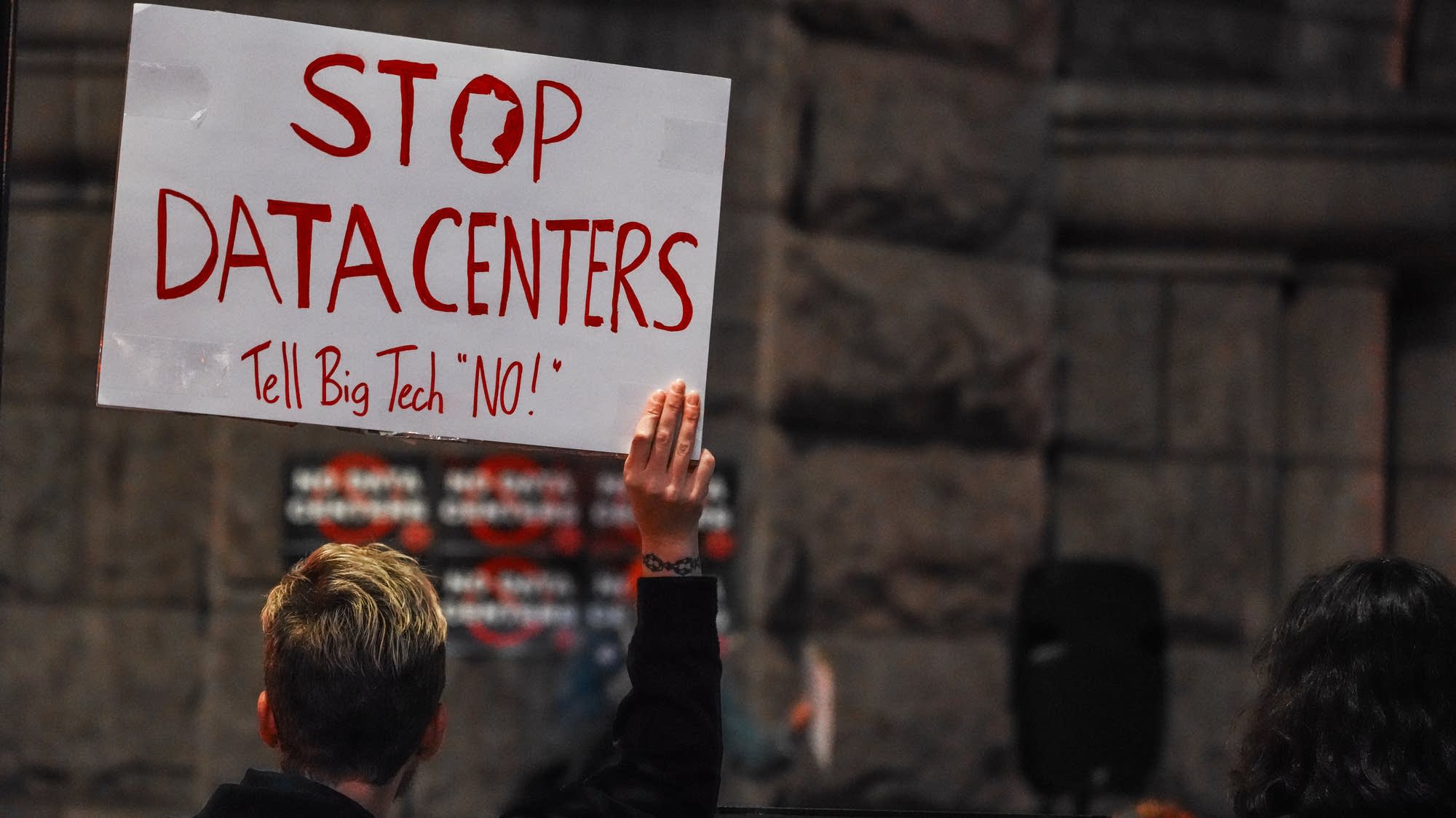
Minneapolis City Council to Vote on Downtown Data Center Limits
Facing a looming expiration on a temporary development pause, the Minneapolis City Council is scheduled to vote on...