Idaho researchers advocate for prescribed fire as essential landscape medicine
Heather Heward, a research assistant faculty member at the University of Idaho, argues that prescribed burning serves as a vital “medicine” for the state’s struggling wildlands. Speaking on the University of Idaho podcast, The Vandal Theory, Heward explained that decades of fire suppression have fundamentally altered Idaho’s ecosystems, leaving landscapes in a state of imbalance that requires intentional, controlled fire to correct.
The discussion, which featured science writer Leigh Cooper and external communications coordinator Danae Lenz, highlighted a growing tension in the Pacific Northwest: the need to use fire to prevent catastrophic wildfires versus the inherent risks and public anxieties surrounding intentional burns. Heward, who recently completed a Ph.D. in adult organizational learning and leadership, emphasized that while fire is a natural component of Idaho’s ecology, the current lack of management has created “ill” landscapes susceptible to high-intensity uncontrolled blazes.
The stakes for Idaho residents are both environmental and economic. As more people move into wildland-urban interfaces, the difficulty of managing large-scale landscapes increases. Heward noted that while prescribed fire cannot prevent every extreme wildfire, it is a more effective tool for landscape health than mechanical thinning or mastication alone.
The distinction between broadcast and pile burning
Heward clarified the technical applications of fire management currently used in the state, noting that different methods serve different landownership needs. She categorized wildland fire into two primary types of prescribed burns:
- Broadcast burning: A moving fire that spreads across the landscape under trees and through grass, typically used by large-scale federal land managers on public lands.
- Pile burning: A more localized method often used by private landowners, involving the controlled burning of accumulated debris.
While broadcast burning requires specific weather conditions to allow the fire to spread safely, pile burning is more accessible for individual property owners. However, Heward pointed out that many private landowners face significant barriers to utilizing these tools, including uncertainty regarding legal regulations, complex permit requirements, and a perceived lack of necessary resources or partners to execute a burn safely.
“Our wildlands are in bad shape and they have been receiving, historically, they received medicine from the people that lived here and from nature itself through lightning,” Heward said. “And that fire that we had in our landscapes, now centuries ago, was something that perpetuated the types of forests and the types of grasslands that were there.”
Addressing the human cost of fire management
Beyond the ecological benefits, Heward—who also serves as the founder and chair of the Idaho Prescribed Fire Council—is focused on the professional stability of the people tasked with managing these fires. She argues that the success of fire management depends heavily on the training and confidence of the workforce.
Heward expressed concern over the retention of fire professionals, stating that when workers are asked to perform tasks without adequate training or job security, they become ineffective and unhappy. She suggested that providing better resources and learning opportunities could transform the profession, creating a workforce that feels “unstoppable” and deeply dedicated to land stewardship.
This professional development is a direct response to the “side effects” inherent in fire management. Just as medical treatments can have unintended consequences, prescribed burns produce smoke and can impact certain tree species. Heward noted that while the benefits of prescribed fire generally outweigh the negatives, the practice requires meticulous planning and expert execution to mitigate these risks.
The debate over prescribed fire also touches on community trust. Heward acknowledged the very real fears held by neighbors regarding smoke impacting health and the potential for a neighbor’s fire to escape onto their property. Addressing these concerns requires not just better science, but better communication and support for the private landowners who act as the first line of defense in landscape management.
For Heward, the path forward involves bridging the gap between scientific necessity and public acceptance, ensuring that those who manage the land have the tools, the training, and the legal clarity to use fire as the restorative tool it is intended to be.
Keep reading
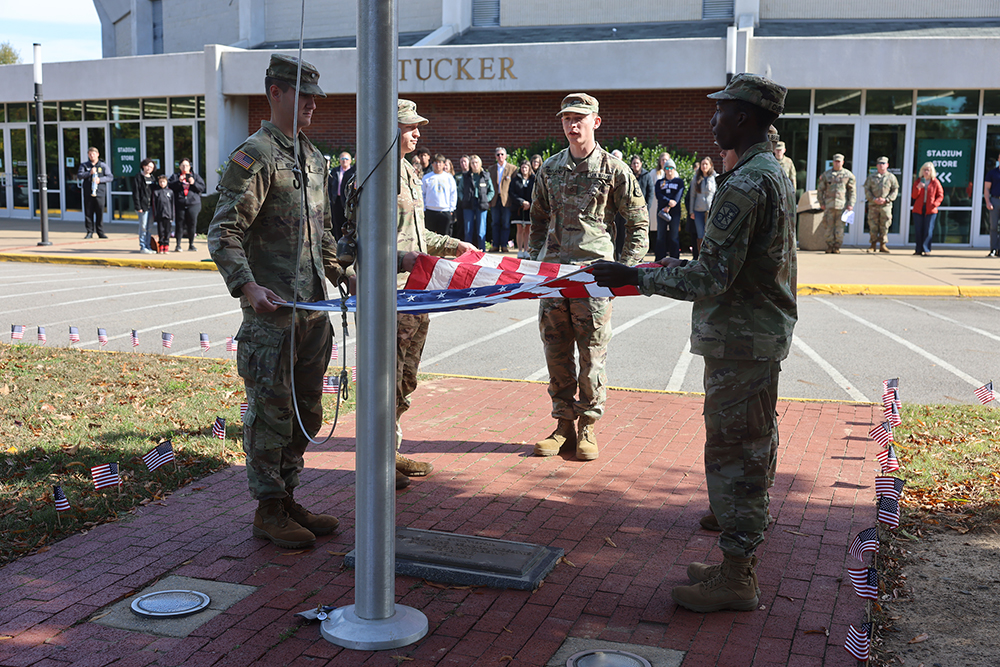
Arkansas Tech University to Host Veterans Day Flag Raising and Lunch
A flag-raising ceremony on the lawn between Tucker Coliseum and the Doc Bryan Student Services Center will mark...
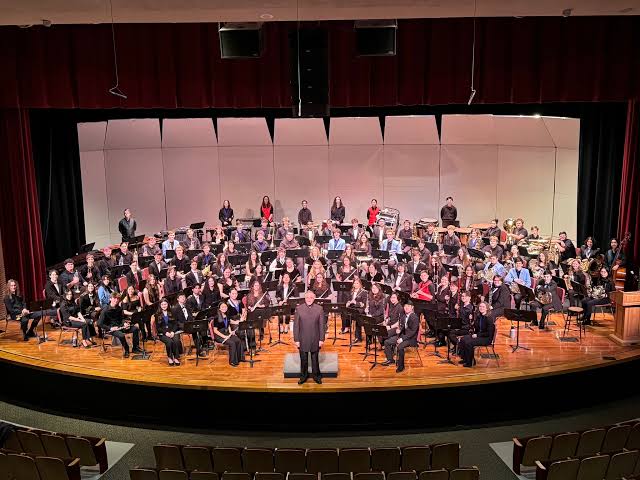
Author Argues for Mandatory K-12 Fine Arts Education Requirements
Fine Arts Requirements Could Bridge the Gap Between High School Exploration and Career Stability In a recent column...

Huntsville City FC undergoes Massive squad Overhaul for 2027 season
Huntsville City FC undergoes massive squad overhaul ahead of 2027 season Huntsville City FC announced a sweeping series...

AMD shares rise after Q3 earnings beat and data center revenue growth
Advanced Micro Devices (AMD) shares climbed more than 7% in after-hours trading on Tuesday after the company reported...