Survival in the Deep Freeze of Yakutia
In the northeastern reaches of Siberia, where the thermometer regularly plunges below -60 °C, human biology meets its most extreme test. Survival in Yakutia isn’t just a matter of heavy clothing; it is a complex, generational negotiation between genetics, environment, and a diet specifically engineered by necessity. As researchers look closer at how these populations manage metabolic demands in one of Earth’s coldest inhabited regions, they are uncovering a high-stakes puzzle involving fat metabolism, immune signaling, and the very way our bodies generate heat.
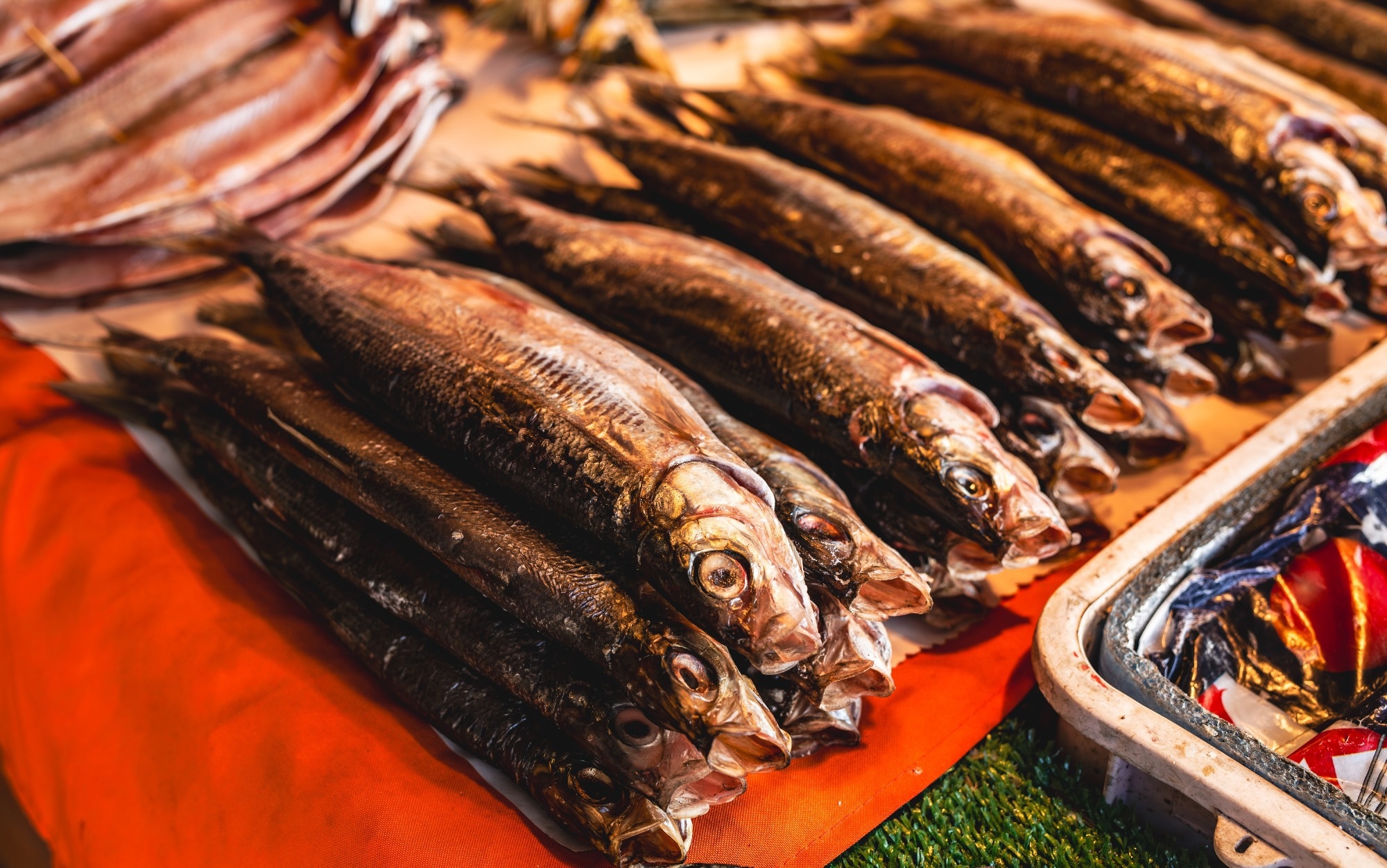
According to a report from News-Medical, the traditional Yakut diet is fundamentally built around high-density energy sources: meat, fish, and dairy. Historically, this was sustained by horse and cattle breeding, with Yakutian horses providing both essential lipids and protein. However, the landscape of nutrition in the region is shifting. As modern transportation and agriculture expand, the traditional reliance on animal fats is increasingly being supplemented—or replaced—by carbohydrate-rich staples like potatoes, pasta, rice, and buckwheat. This transition from a high-lipid, high-protein foundation to a more carbohydrate-heavy profile is more than just a change in grocery lists; it represents a fundamental shift in the metabolic environment of a population that has evolved under extreme thermal stress.
The core question driving current scientific interest is whether the Yakut people have undergone true evolutionary adaptation or if their bodies are simply performing a masterclass in short-term physiological acclimatization. While the distinction between inherited traits and lifetime adjustments remains a subject of intense study, the biological markers present in these populations are striking.
The Genetic Tug-of-War in Fat Metabolism
One of the most significant findings in recent genetic research involves the PNPLA3 gene, a known player in how the body processes fats. In a study of 150 Yakut adults, researchers identified a high frequency of the PNPLA3 rs738409 G variant, with the G allele frequency reaching 72%. While this variant is often studied in the context of how it might have played a role in cold adaptation, it carries a modern metabolic trade-off: it is also associated with liver fat accumulation and an increased risk of nonalcoholic fatty liver disease.
This creates a biological paradox. A genetic trait that may have once offered a survival advantage in a landscape of scarce, high-fat food might now pose a significant health risk in a modern world where processed carbohydrates are more accessible. The data suggests that a historical adaptive role does not automatically translate to protection against metabolic disease under contemporary living conditions.
Beyond genetics, there is the matter of how the body generates heat without shivering. Human survival in the Arctic depends heavily on brown adipose tissue, which facilitates non-shivering thermogenesis through the activity of mitochondrial uncoupling protein 1 (UCP1). While a 2025 systematic review found indirect evidence—such as specific skin temperatures and thyroid hormone levels—consistent with brown fat activity in Arctic adults, researchers caution that these measures cannot definitively prove how much this tissue contributes to heat production in the Yakut population specifically.
Inflammation and the Microbiome Mystery
The impact of this extreme environment extends into the immune system. A study comparing 137 participants from Yakutia with 300 individuals from Central Russia found notable differences in 17 distinct cytokines, which are proteins essential to immune signaling. However, the results were nuanced. Using the SImAge inflammatory clock—a model designed to estimate biological age through immune markers—the study found no statistically significant difference in “age acceleration” between the two groups. This suggests that while the cytokine patterns differ, they don’t necessarily translate to a faster biological aging process driven by the cold.
There is also the emerging field of the gut microbiome to consider. We know that diet heavily influences microbial composition, which in turn affects nutrient processing and immune defense. While studies on yaks in the Tibetan Plateau show that seasonal diet shifts can help ruminants manage nitrogen and energy during cold seasons, applying these findings to humans is difficult. The digestive physiology of a herbivorous ruminant is vastly different from that of a human, and current research has yet to establish a direct link between the Yakut microbiome and specific metabolic responses to cold.
The following table summarizes the primary areas of metabolic focus currently being investigated in Arctic populations:
| Biological System | Key Mechanism of Interest | Primary Research Challenge |
|---|---|---|
| Thermoregulation | Brown adipose tissue & UCP1 activity | Distinguishing between inherited adaptation and lifetime acclimatization. |
| Lipid Metabolism | PNPLA3 gene variants | Balancing historical adaptive benefits against modern risks of fatty liver disease. |
| Immune Response | Cytokine signaling & inflammatory markers | Accounting for confounders like daily living conditions and varying nutrition. |
| Microbiome | Nutrient processing & energy use | Linking specific microbial profiles to measured metabolic outcomes in humans. |
The Limits of the Arctic Diet Model
It is tempting to look at the Yakut diet as a blueprint for “optimal” nutrition, but scientists are quick to issue caveats. The traditional dietary patterns of Yakutia were born of extreme necessity and local availability. Today, the introduction of heated housing and more sedentary lifestyles means the environmental pressures that shaped these diets are fundamentally changing.
There is a significant risk in attempting to export these dietary patterns to modern, non-Arctic populations. The metabolic machinery of a person living in a temperate climate, who lacks the same genetic background or chronic cold exposure, would react very differently to a high-lipid, high-protein Arctic diet. The “so what” for the broader medical community is clear: precision nutrition must account for the interplay of genetics, environment, and lifestyle. What served as a survival mechanism in -60 °C may become a metabolic burden in a modern, warmer context.
As research continues, the focus remains on disentangling the causal contributions of diet from the effects of the cold itself. Until studies can directly measure how specific foods interact with the unique metabolic traits of the Yakut people, the relationship between their traditional diet and their survival remains one of the most compelling, yet unresolved, chapters in human adaptability.
Keep reading

Car embedded on Luas Red Line tracks near Blackhorse suspends service
A car sits embedded on the Luas Red Line track at Blackhorse A car has become trapped on...

Nathan Estrada suggests responsive footwear for MS fall prevention
Footwear as a mobile intervention for neurological gait changes For many individuals living with Multiple Sclerosis (MS), the...

AP Municipal Elections: Jagan Demands Repoll Amid Allegations of Rigging and Violence
Jagan Mohan Reddy demands repoll in Pulivendula following election violence YSR Congress Party (YSRCP) chief Y.S. Jagan Mohan...

Former Indonesian Police Chief Named Suspect in Illegal Wiretapping of President Prabowo
Former Police Chief Listyo Sigit Named Suspect in Presidential Wiretapping Probe "Imagine the president being intercepted and wiretapped,...