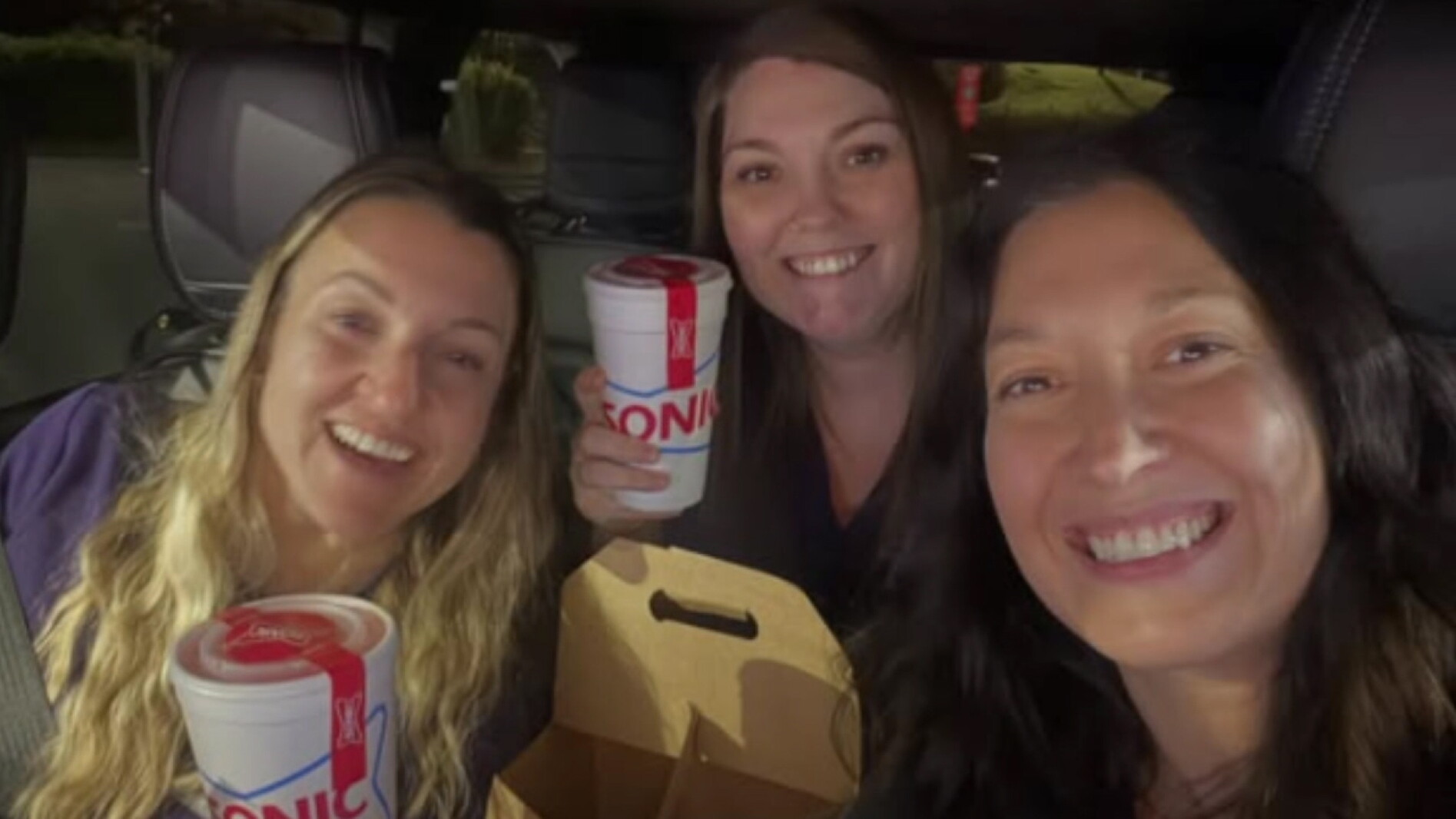
When the Federal Aviation Administration (FAA) issued a nationwide ground stop on Friday, Nov. 13, 2026, thousands of travelers found themselves staring at departure boards that had suddenly gone dark.
For Tara Harding, a business owner from Bismarck, North Dakota, the inconvenience quickly escalated from a standard travel delay into a cross-country odyssey. Stranded in Charlotte, North Carolina, with her employees Maressia Cowger and Alisha Maier, Harding found that the modern infrastructure of travel—rental cars, buses, and trains—had entirely evaporated in the wake of the stoppage.
The situation began to feel less like a routine business trip and more like a scene from a classic 1980s comedy, according to reporting by InForum. As the trio sat in the terminal, the gravity of the FAA’s decision became clear when a fellow passenger said that such a comprehensive ground stop had occurred only once before since the September 11 attacks. The realization triggered a frantic, high-stakes search for alternatives.
Harding used digital tools to salvage their journey. She turned to artificial intelligence prompts to identify communities within a three-to-four-hour radius of Charlotte that might still have rental car inventory. The results were stark: every agency was exhausted, and public transit options like Greyhound and Amtrak were equally unavailable.
For Harding, the solution arrived through an unconventional suggestion from her mother-in-law: simply buy a vehicle.
Tara Harding, founder of Simply You Wellness, told InForum that the sudden shift in plans left her feeling as though she were still floating around, wondering where she was and what she was supposed to be doing.
By 10:00 p.m. Eastern time on that Friday, the group had located a local Ford dealership. Recognizing the urgency of the situation, the sales staff agreed to remain open past their typical hours to facilitate the purchase.
The three women emerged as the owners of a new Ford Bronco, a decision Harding approached with a strategic mindset. She evaluated the vehicle not just as a means of transit, but as an asset that would hold its value, intending to sell it upon their return to North Dakota.
The drive back to Bismarck stretched over a full day, transforming a routine flight into a marathon road trip. Upon finally reaching home late Saturday night, Harding made a pivot in her original plan. Instead of selling the vehicle, she decided to retain it for her business operations, noting that the three of them felt a unique, lasting connection to the SUV—which they have since named “Charlotte.”
While Harding is a self-described planner who typically maintains a “backup plan to a backup plan,” the events of Nov. 13 demonstrated the limitations of even the most rigorous preparation.
As of today, Harding has already scheduled another trip for the coming week, maintaining an optimistic outlook despite the previous disruption. For now, the Ford Bronco sits in Bismarck, a tangible souvenir of a weekend where the standard systems of American transit simply failed to launch.
Worth a look
- Roger Chesley Argues FAA Ground Stop Caused Massive Travel Chaos
- Texas Landowners Face Lawsuits and Easement Talks Over New Power Line
- Witness Recants Doc Traces How False Testimony Stole Three Lives (world-today-news.com)
- RBA's Fifth Hike Adds About A$94 a Month on A$600,000; Three Voted to Hold (daybreakwire.com)

Roger Chesley Argues FAA Ground Stop Caused Massive Travel Chaos
In a column for the Virginia Mercury, Roger Chesley argues that a nationwide FAA ground stop created a...
Texas Landowners Face Lawsuits and Easement Talks Over New Power Line
Landowners along the newly approved Howard-Solstice transmission line route face mandatory easement talks, property surveys, and potential condemnation...
Pricing and Disclaimer Information for Berlin City Kia of Burlington
A vehicle is listed on the website of Berlin City Kia of Burlington, featuring vehicle availability and pricing...

They’re Trying to Make You Crazy – Columbia Political Review
Over half of Americans read news on social media every single day, turning online platforms into digital battlefields...