Trevor Ozawa returns to Honolulu City Council after eight-year absence
“As I sat here, as a private citizen, I know what can actually make us a better community, and I wanted to do stuff over the last eight years,” Trevor Ozawa told a crowd of supporters on Tuesday night. The former councilman is on track to win back his East Honolulu seat, securing roughly 60% of the vote against opponent Tara Malia Gregory, who earned 29%, according to election returns reported by Civil Beat.
The victory marks a significant political comeback for Ozawa, who previously held the nonpartisan position from 2015 to 2019. His return to the council, which represents over 100,000 residents between Waikīkī and Hawaiʻi Kai, follows a turbulent political period in the district. The race was fundamentally reshaped earlier this year when Ozawa filed a lawsuit against incumbent Council Chair Tommy Waters regarding his eligibility for a third consecutive term. That legal challenge eventually reached the Hawaiʻi Supreme Court, resulting in a split vote that deemed Waters ineligible for reelection.
For the voters in East Honolulu, the choice represented a divide between two distinct visions of municipal management. Gregory, a first-time candidate with a robust online presence, ran on a platform summarized by her motto: “Audit everything.” She focused her campaign on criticizing inefficient government spending. Conversely, Ozawa pivoted his messaging toward the tangible, everyday frustrations of his constituents, such as uneven sidewalks and poorly maintained park bathrooms.
The economic stakes of this election are high for a population grappling with one of the nation’s highest costs of living. Ozawa leaned into this reality during his campaign, arguing that the current level of government service does not justify the tax burden placed on residents.
“We pay the highest cost of living in the country, and too often, what we get back from our government doesn’t match what we put in,” Ozawa said during a recent appearance on ʻŌlelo Community Media.
A council facing leadership shifts and legal scrutiny
Ozawa will not be entering a stable legislative environment. The Honolulu City Council is currently in a state of flux as members look to replace Tommy Waters. Incumbent Councilman Tyler Dos Santos-Tam, who secured 65% of the vote to defeat Corey Morihara, is currently the frontrunner to become the next council chair. However, his bid has been shadowed by an ongoing investigation by the Office of Information Practices into a private meeting held at a Zippy’s in Waipahu, which may have violated the state’s public meetings law.


The political dynamics of the council are also complicated by Ozawa’s own history. During his previous tenure, a 2019 city internal investigation concluded that he had acted unprofessionally and disrespectfully toward a female council staffer. Ozawa has since sought to distance himself from that reputation, telling supporters that the intervening eight years have helped him become a more effective communicator.
While Ozawa focused on “parks, permitting and all the problems that you guys bring to me,” his opponent Gregory faced criticism from some voters. While she connected well with residents during door-to-door campaigning, she also promoted various conspiracy theories, including false claims regarding the cause of the Lahaina fires and the 2020 presidential election. Some voters, including law student Parker Kilkenny, noted that these views were a significant deterrent.
Voters approve major charter amendments
Beyond individual races, Honolulu voters utilized the ballot to signal a desire for systemic changes to city governance. The results show a clear mandate for several charter amendments, even as some more radical shifts were rejected.
The following table outlines the key outcomes of the charter amendment votes based on reported results:
| Measure/Proposal | Result | Primary Objective |
|---|---|---|
| Office of Data and Innovation | Approved | Drive data-driven decision-making within city government. |
| Food Security Fund | Approved | Establish dedicated resources for local food stability. |
| Immigrant Protections | Approved | Protect the rights of immigrants during police encounters. |
| Impeachment Penalty | Approved | Prohibit impeached politicians from holding office for two years. |
| Ranked Choice Voting | Rejected | Implement ranked-choice voting no sooner than 2032. |
The complexity of these amendments was not lost on the electorate. Some residents reported spending significant time navigating the ballot, as the language required careful study to understand the long-term implications for city services and civil rights.
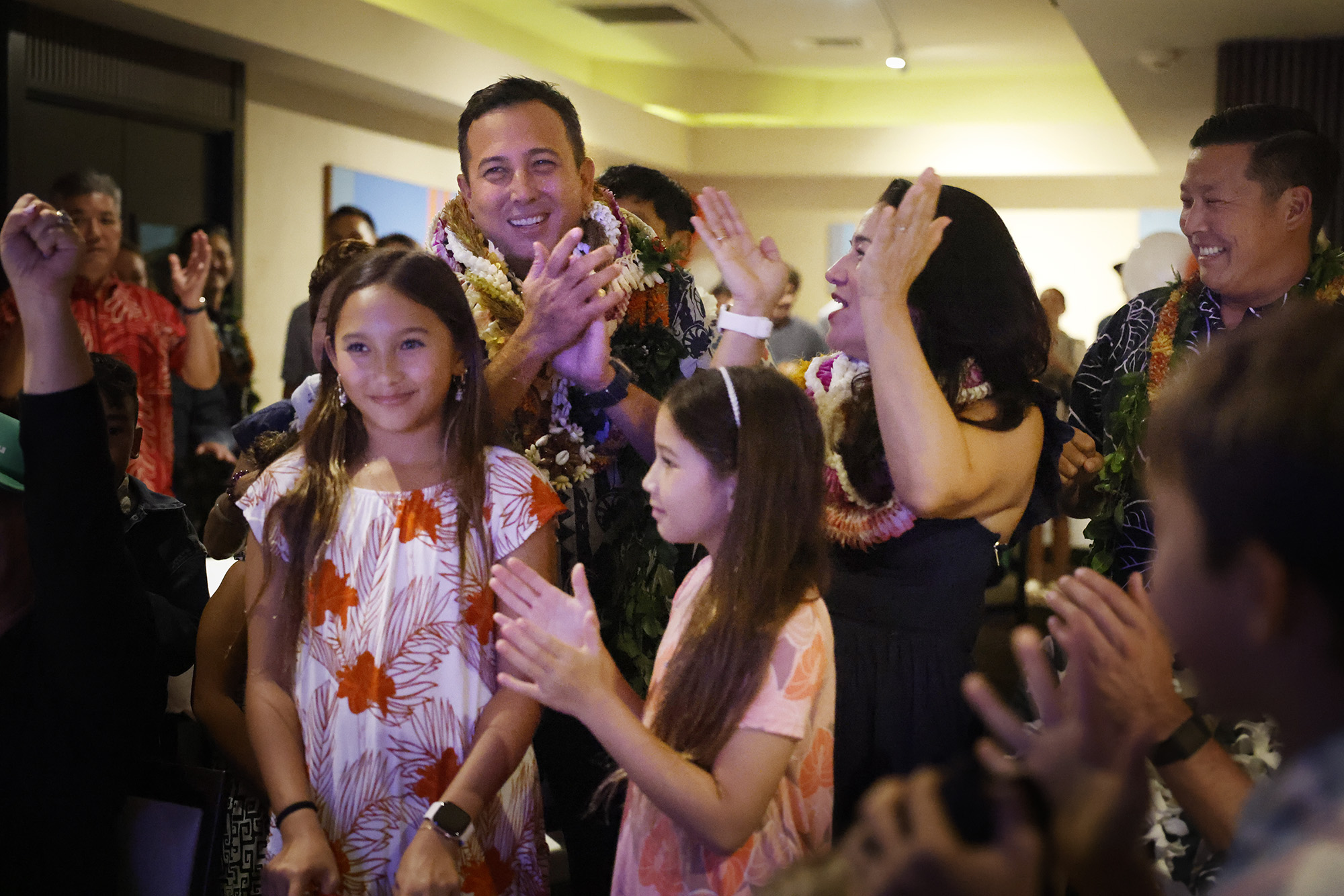
As the dust settles on this election cycle, the central question remains how Ozawa’s return will influence the power balance of a council undergoing a leadership transition. He has pledged to work with whoever holds the chair, focusing his efforts on the “little things” that impact the daily lives of his constituents. He noted that he does not intend to simply hold the title, stating, “We can’t have somebody sitting around in that office waiting for their title to do just do the job. It’s not going to happen.”

Michigan Voters Approve Proposal 2 to Ban Utility and Contractor Political Donations
Michigan Voters Approve Proposal 2 to Restrict Political Donations Michigan voters approved a ballot proposal to ban utility...

Massachusetts State Police Suspend Trooper After Apartment Break-In
Massachusetts State Police Trooper Michael E. McGuire, 37, was arrested and suspended from duty on November 1 after...

Allison Pickard leads Anne Arundel County executive race
Anne Arundel County Set for New Leadership After Midnight Election Count Anne Arundel County is heading into a...

Preliminary Results Show Early Leaders in Portland RCV Election
Preliminary Ranked-Choice Results Track Portland Council and Multnomah County Contests Portland's latest election is taking shape as preliminary...