Preliminary Ranked-Choice Results Track Portland Council and Multnomah County Contests
Portland's latest election is taking shape as preliminary results from the city auditor's office reveal the initial tallies for the city's second ranked-choice voting election and Multnomah County's first. According to official candidate filings, voters were given the ability to rank up to six candidates in order of preference, triggering a multi-round tabulation process designed to secure majority support.
Under the mechanics of ranked-choice voting, contests are evaluated in sequential rounds beginning with voters’ first-choice selections. If no candidate clears the 50% threshold in single-winner races or the specific threshold in multi-winner contests, the lowest-ranking candidates are systematically defeated and their votes redistribute to the next active preference on individual ballots. This iterative counting continues until decisive majorities emerge.
District Races and County Leadership Contests Take Shape
In the multi-winner City Council contests, the dynamics of ranked-choice redistribution quickly reshaped the field across Portland’s newly established districts. Axios reported that after 19 rounds of counting in City Council District 3, incumbents Steve Novick, Tiffany Koyama Lane, and Angelita Morillo led the field out of 21 candidates competing for three seats representing inner Southeast Portland and parts of Northeast Portland along Sandy Boulevard.
Meanwhile, across the river in City Council District 4, incumbents Olivia Clark, Eric Zimmerman, and Mitch Green secured the lead after 11 rounds of counting. That race featured 12 candidates vying for three seats representing Portland’s west side alongside the Sellwood, Eastmoreland, and Westmoreland neighborhoods. In City Council races, which feature three winners each, candidates receiving more than 25% of the vote are declared winners.
At the county level, the Multnomah County Board of Commissioners District 2 race saw Bri Williams holding 53% of the vote after five rounds of counting, as reported by Axios. That contest featured seven candidates competing to represent North and Northeast Portland. For the Multnomah County chair position, Shannon Singleton led with 56% of the vote after two rounds of counting in a three-way contest that also included Julia Brim-Edwards and Sharon Meieran.
Local Ballot Measures and the Path to Certification
Portland voters also weighed in on local policy through Measure 26-267, colloquially known as the “Your 2 Cents” initiative. Axios reported that 66% of voters cast ballots against the measure as of midnight. The proposal would have allowed residents to propose and vote on projects funded by 2% of the city’s discretionary fund, amounting to roughly $16 million annually, though persistent questions remained regarding how the administrative framework would actually function.
Because ranked-choice tabulation requires iterative rounds of vote transfers, final outcomes require patience. Officials noted that results are not declared final until all ballots have been counted and results are officially certified, with the next round of updated numbers expected from election administrators.
Keep reading

Bobby Jordan Bryant Jr. Obituary (1960-2026), South Carolina
Bobby Jordan Bryant Jr., a beloved husband, father, grandfather, brother, and friend who built a life around deep...

Massachusetts Voters Reject Question 8 to Protect Legal Cannabis Market
Massachusetts Voters Keep Cannabis Legal by Rejecting Question 8 Repeal Ten years after voting to legalize adult-use cannabis,...
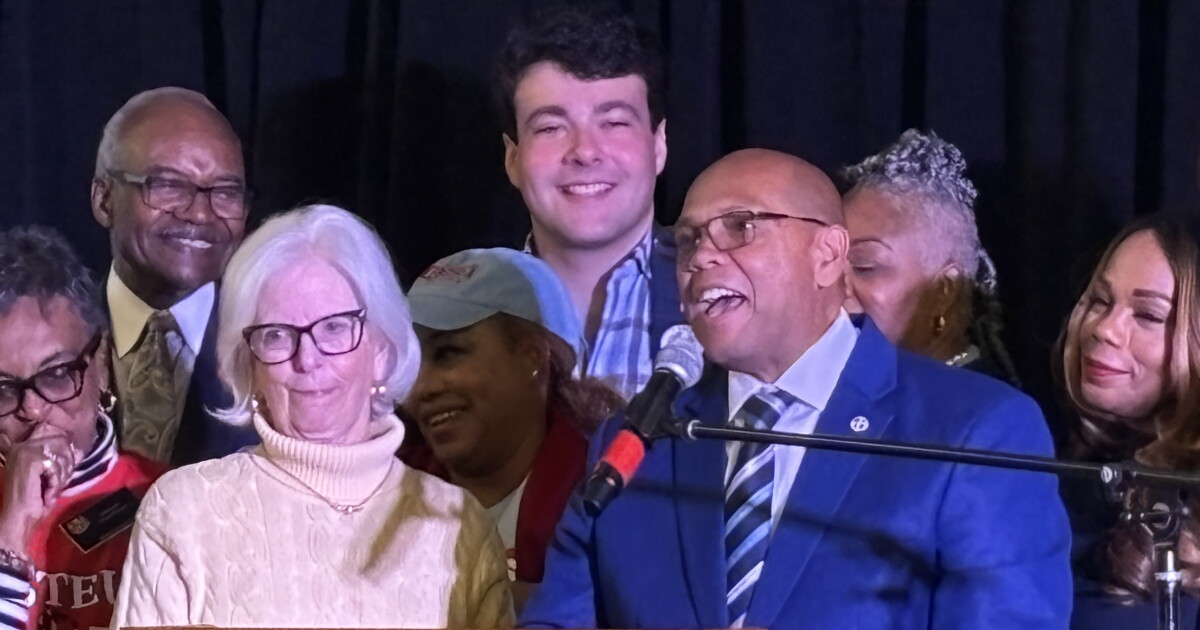
Julian Jones Becomes Baltimore County’s First Black County Executive
Julian Jones Secures Baltimore County Executive Race Julian Jones made history Tuesday night when voters elected him Baltimore...
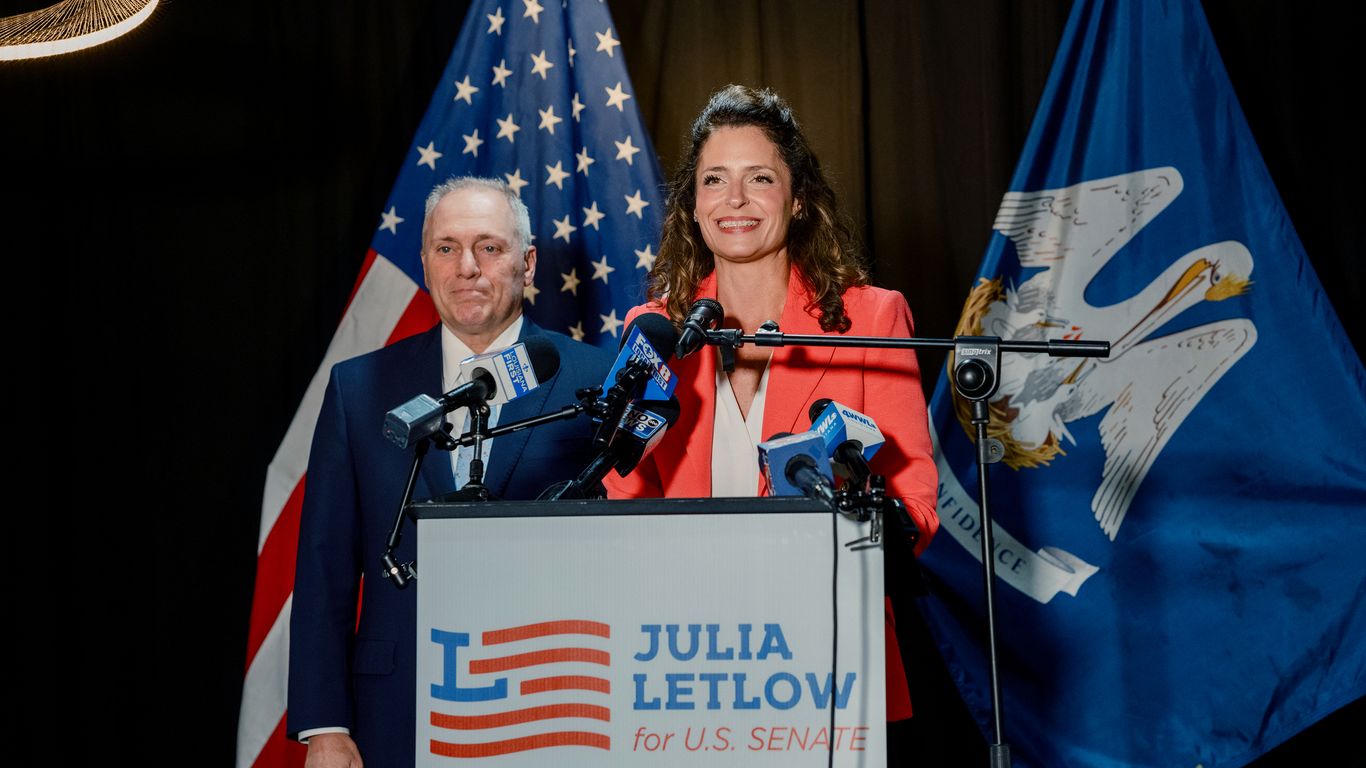
Julia Letlow Wins Louisiana Senate Seat With 51% of the Vote
Julia Letlow Wins Louisiana Senate Seat in Tighter Race Than Expected Republican U.S. Rep. Julia Letlow secured Louisiana's...