
Cinderella production faces challenges November 19–22 & 28–29, 2026.
Tri-M Productions’ fall presentation of Rodgers & Hammerstein’s Cinderella: The Enchanted Edition struggles to build the necessary foundation for its fairy-tale romance, BroadwayWorld reported.
This stage adaptation draws from a celebrated 1997 television teleplay, which itself originated from a 1957 television writing effort, though Whitney Houston was initially slated for the role before production delays.
At the $60 ticket price point, audiences expect a fully realized production, a standard this run doesn’t quite meet, a point reinforced by the production’s uneven quality.
The musical’s core demands an immersive fantasy world where the audience must empathize with Cinderella’s injustice before accepting her transformation into deserved kindness.
Scenic design fell short; a single wheeled panel, repurposed as various backdrops, felt underwhelming, making the stage feel unfinished.
The Saint Francis Auditorium at the New Mexico Museum of Art presents inherent logistical hurdles, including church pews and a non-raked floor, making sightlines difficult farther back.
Ticket costs require a significant financial commitment from attendees, with an adult household of two needing $120 to properly engage with the show.
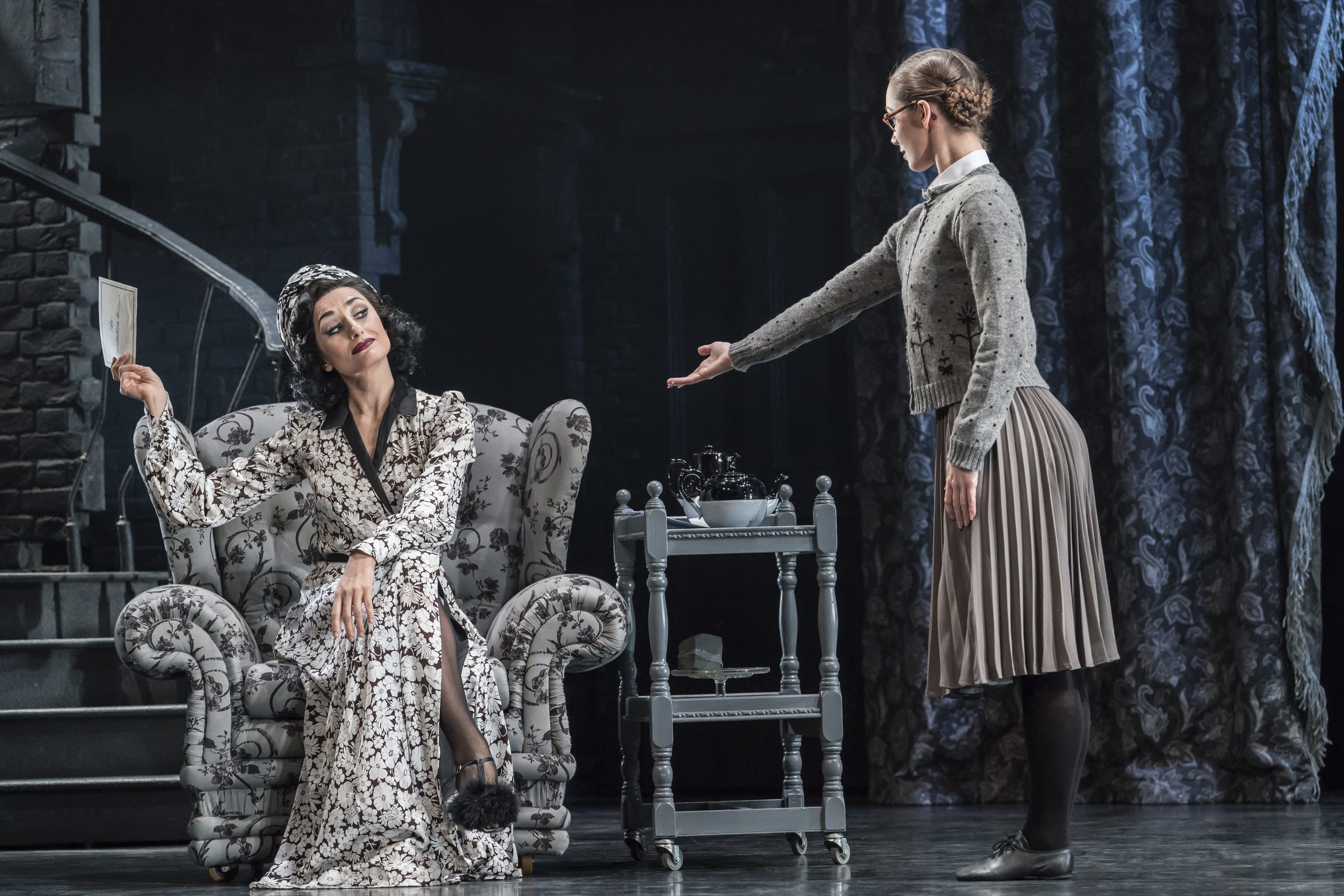
Student and youth tickets are available at $20 for middle and $10 for back, but those less expensive seats impede viewing in the challenging venue.
While the company showed considerable potential, the overall execution felt like an early rehearsal where connecting threads were still missing.
Arwyn Vernold’s Cinderella, lovely in voice, sometimes lacked clear motivation, even when she described her drive as freedom rather than finding a husband in a recent Pasatiempo interview.
“The chemistry between Cinderella and the Prince, played by Jonathan Cordova, felt awkward, and their romance underdeveloped.”
This underdeveloped romance made the sudden devotion between the leads hard to believe, despite both having beautiful voices.
Bianca Medina-Montoya as Grace provided genuine delight, delivering lines with a fresh, effortless comedic sensibility.
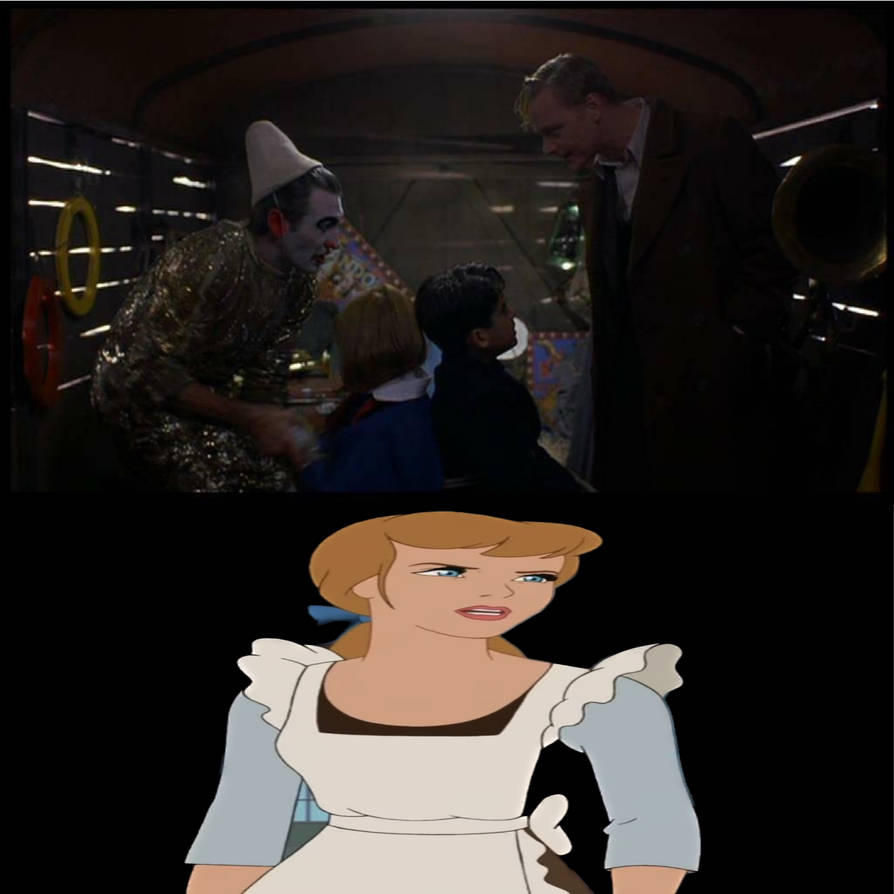
Her strong physical interaction with Joy, played fiercely by Madeline Kay Matich, left viewers in stitches during the Stepsisters’ Lament, a production high point.
Rae Dobrovolsky shone as a vivacious Fairy Godmother, delivering a satisfying vocal performance with “Impossible,” while Travis Bregier grounded the role of Lionel with a strong stage presence.
Tri-M’s mission to create opportunities for local and early-career professionals in Santa Fe is important, given the scarcity of musical theater spaces.
However, the report suggests that opportunity shouldn’t mean sacrificing professional realization, as the production did not feel polished.
“I would rather see one exceptional production a year than several that fall short because resources are limited.”
This sentiment underscores the need for producers to think creatively about elevating their work while supporting artists.
Keep reading

Trenton Ruth Scores 25 Points in Stonehill’s 95-82 Victory Over Northeastern
Trenton Ruth scored 25 points helping Stonehill win 95-82 against Northeastern on Saturday. This victory for the Skyhawks,...

Cother’s Career Night Leads Winona State Past Truman State, 71-41
Rylie Cother dropped a career-high 19 points off the bench Saturday as Winona State blew past Truman State...

US Army Lead-Rich Explosive Detonation Status in Iowa, Al Jazeera Reports
The U.S. Army planned to detonate 68 drums of degraded lead azide at the Iowa Army Ammunition Plant...

Cardinals Elevate Zay Jones for Chiefs Game
The Arizona Cardinals elevated wide receiver Zay Jones from the practice squad for the second week, Arizona Sports...