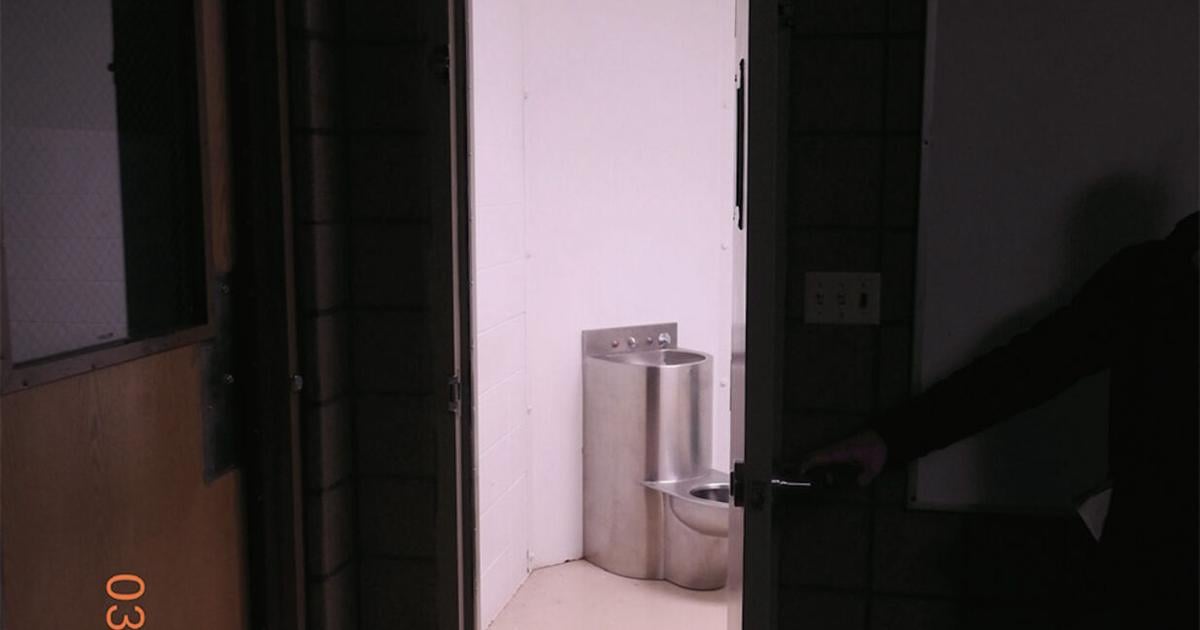
A culture of total control—that is how a Massachusetts psychiatrist described the environment at the Wyoming Boys’ School during testimony in U.S. District Court this week.
The trial, which centers on allegations of abuse brought by former resident Blaise Chivers-King, has opened a window into the daily realities of the 38-acre residential facility near Worland.
Chivers-King is one of six former residents who sued the school in 2024, alleging that staff violated their 14th Amendment rights through the use of excessive force, arbitrary isolation, and a lack of due process. The current proceedings, which began this week, represent the first of several trials addressing these claims of abuse.
The Mechanics of Confinement
Testimony provided by Chivers-King on Tuesday, Nov. 10, outlined the rigid atmosphere he encountered upon arrival between 2020 and 2022. According to the former resident, staff required him to keep his eyes down and forbade him from looking around. During his intake, his head was shaved, an experience he described by saying, “I felt like a hopeless sheep.”
The defense has countered these characterizations by comparing the hair-cutting requirements to similar requirements in the military and on certain sports teams. Dale Weber, the superintendent of the school, testified that such measures were essential for safety. Weber acknowledged that staff mandated single-file lines and barred the youth from freely speaking to each other, verbally or nonverbally, to prevent the organization of attacks or escape attempts.
“It was a culture of total control and domination, and really, not in any way responsive to the psychiatric situation of these kids,” said Stuart Grassian, a Massachusetts psychiatrist.
Grassian, who reviewed images, videos, and documentation of the school, formed his opinion based partly on a report from the Council of Juvenile Justice Administrators, which conducted a site visit in 2023. While the defense argues these control measures are necessary, the plaintiffs contend that the facility’s practices—such as predetermined periods of detention—violate constitutional protections against arbitrary punishment.

Wyoming Department of Family Services Faces Scrutiny over Management
The trial has also scrutinized the management structure of the facility, which is overseen by the Wyoming Department of Family Services. Dale Weber, who took over as superintendent in March 2022, testified that he often had little authority to challenge the decisions of his predecessor, Gary Gilmore. Weber described Gilmore’s management style as “very authoritarian.”
When questioned about the logbooks detailing Chivers-King’s time in cinderblock detention rooms, Weber admitted that entries often failed to reflect mandatory activity schedules, such as schoolwork or mental health check-ins. While the superintendent maintained his belief that staff interacted with Chivers-King through the door, he conceded that he lacked firsthand knowledge of these daily occurrences.
The defense maintains that the confinement of Chivers-King was a necessary response to his behavior. Weber described the former resident as a “pretty big kid, pretty strong” who was “unpredictable” and “volatile.” However, Weber said he had no knowledge of the former resident ever assaulting one of his peers.
The Questions That Remain
As the jury reviews the logbooks and testimony, the case highlights the tension between maintaining order in a facility for delinquent youth and the legal requirement to ensure the well-being of those in state custody. The current trial is expected to be followed by further litigation, with the next scheduled to begin on Dec. 7.

For now, what happened behind the doors of the detention rooms remains a point of intense dispute. While the defense points to the need for risk management in a facility housing boys ages 12 to 21, the plaintiffs argue that the lack of documentation and the nature of the isolation reflect a system that prioritized dominance over rehabilitation.
Worth a look

Oklahoma State Defeats Central Arkansas 99-66 With Perimeter Shooting
The University of Central Arkansas Bears sprinted to an early lead at Gallagher-Iba Arena on Monday night, but...

Phoenix Suns and Denver Nuggets End Period in a Defensive Deadlock
The Phoenix Suns and Denver Nuggets entered a defensive deadlock, finishing the period with the Suns holding a...
David Jones Owes Creditors at Least a$459 Million, Administrators Say
David Jones, the 188-year-old Australian department store chain, has collapsed under a mountain of debt, with administrators revealing...

How a Black Democrat Survived Redistricting in Alabama – Inside Climate News
Shomari Figures successfully retained his congressional seat in Alabama’s 2nd District, defying a redistricting plan designed to displace...