
Tribal Leaders Tell RFK Jr. Health Crisis Needs Federal Resources, Not Just Washington’s Solutions
The healthcare disparities facing Native American communities are stark and persistent, and tribal leaders are making it clear that they need more than just federal funding—they need the government to fundamentally change how it approaches their health. During a roundtable discussion at United Tribes Technical College in North Dakota on November 5, 2026, tribal chairs presented their case to U.S. Health and Human Services Secretary Robert F. Kennedy Jr., emphasizing a desire for resources that empower local, tribal-led solutions rather than top-down policies from Washington. The North Dakota Monitor reported that the conversation was built on a shared understanding that decades of federal policy have failed to address the root causes of health challenges in Indian Country, and a new approach is desperately needed.
This isn’t just a policy debate; it’s a matter of life and death. Tribal leaders highlighted that their communities face a healthcare crisis compounded by interconnected issues like poverty, addiction, and a lack of economic opportunity. The Indian Health Service, the primary federal agency tasked with providing healthcare, is consistently underfunded and ill-equipped to handle the scale of the need. The tribal chairs made it clear that they are not asking for charity; they are demanding the resources and sovereignty to build and govern their own healthcare systems, a model they believe will lead to far better outcomes for their people.
A System in Crisis: The Numbers Behind the Need
The magnitude of the healthcare shortfall laid bare by the tribal leaders is staggering. The current annual budget for the Indian Health Service is approximately $8 billion. However, the actual need is estimated to exceed $50 billion annually. This funding gap creates a system where facilities are chronically understaffed and under-resourced.
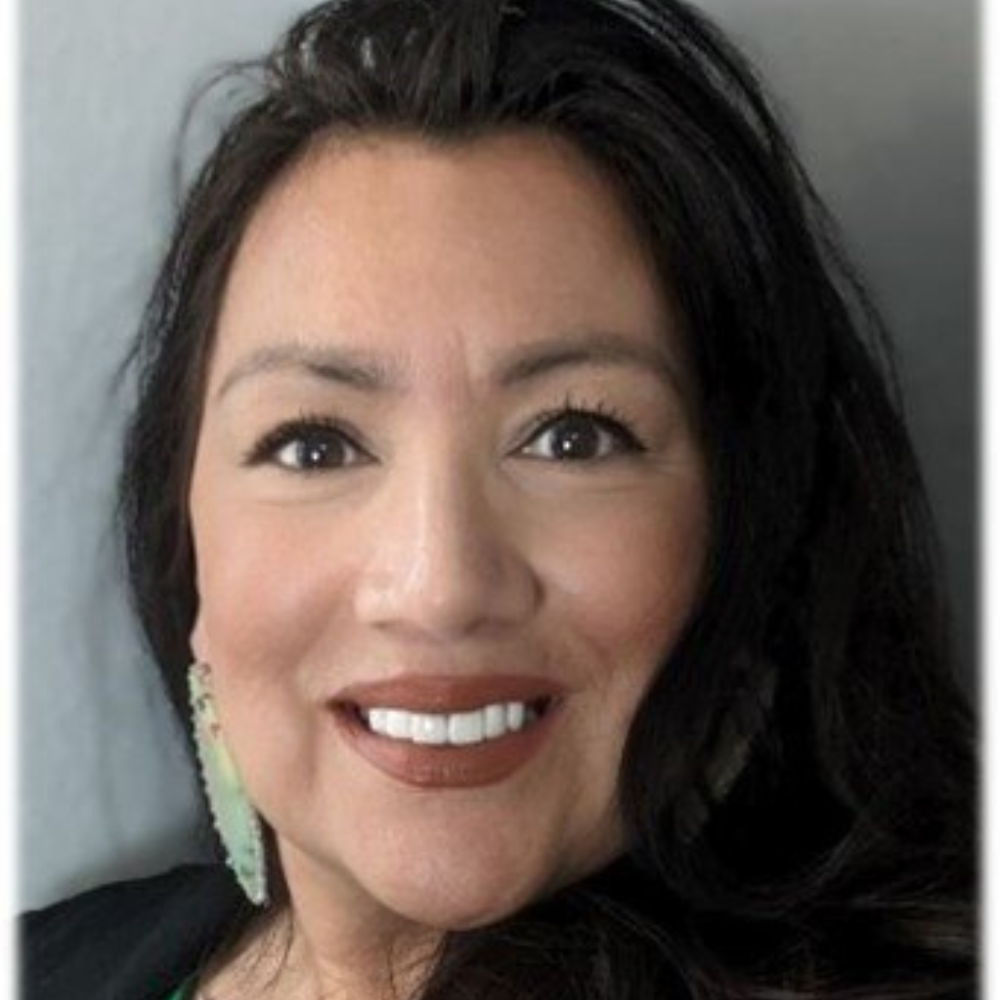
This isn’t a new problem. The disparities are a direct legacy of historical policies that aimed to diminish Native identity and sovereignty. Lonna Street, chair of the Spirit Lake Nation, powerfully articulated this connection to the past. “We are not simply asking for the healthcare funding.”
From Washington to the Reservation: A Call for Local Control
A central theme of the discussion was the need to fundamentally restructure the role of the Indian Health Service. The prevailing model, tribal leaders argued, is one of administration from afar, not empowerment from within.
Kennedy agreed with this assessment, signaling a potential shift in federal policy. “I think we need to overhaul the Indian Health Service to better support tribal governments’ local efforts, rather than directing everything from Washington,” he said. When the tribes run their own affairs, they do it much better than we do.” This acknowledgment from the head of HHS is significant, as it validates a long-held belief among tribal nations that local control is key to effective governance and, by extension, effective healthcare.”
Mark Fox, the outgoing chair of the Mandan, Hidatsa and Arikara Nation, praised this outside-the-box thinking, even if it draws criticism. Because we do the same thing over and over again, and it doesn’t change. The problem still exists or gets bigger.” Fox’s directness highlighted the frustration felt by many who have seen federal initiatives fail to produce meaningful change.
These are not separate issues. They’re all connected. When one child cannot access adequate healthcare, it affects our entire community. When a mother can’t receive proper prenatal care, our entire community is affected. And when a family struggles with addiction, diabetes, unemployment, or inadequate housing, our entire community is affected.
Lonna Street, Chair of the Spirit Lake Nation
The Interconnected Web of Health and Poverty
The tribal leaders did not present healthcare as an isolated issue but as deeply intertwined with the economic and social fabric of their communities. Lonna Street explained that healthcare challenges are inextricably linked to public safety, economic opportunity, and systemic underfunding. She cited a lack of jobs, workforce shortages for healthcare professionals, and a lack of housing for those professionals as critical barriers. Steve Sitting Bear, chair of the Standing Rock Sioux Tribe, echoed this, stating, “Our health challenges and problems are directly tied to the economic conditions we were subjugated to.”
This holistic view means that solutions must be equally comprehensive. Tribal leaders highlighted successful local initiatives, such as the MHA Nation’s Good Road Recovery Center, which provides addiction recovery services. Fox said of the crisis, “The drugs are killing us. They’re literally killing us. We need help. They’re asking you for help. We can’t fund these things on our own." This plea for help shows the immediate and life-or-death nature of the substance abuse epidemic, which requires more than just local will—it requires federal investment and partnership.
A Promise of Partnership and Unanswered Questions
In his closing remarks, Kennedy positioned himself as a listener and a partner. Accompanied by Interior Secretary Doug Burgum and North Dakota’s congressional delegation, he stated, “We need you to tell us what you need, and we are going to deliver it.” He also framed his commitment through the lens of his family’s legacy, referencing his father’s belief that the U.S. must remedy the “original sin” of its treatment of Native peoples. “Which was the treatment, the genocide of the people who were here before us.”
The roundtable was a powerful demonstration of a new, more collaborative approach to federal-tribal relations. The question now is whether this listening will translate into action. The leaders of the Spirit Lake, Sisseton-Wahpeton Oyate, Standing Rock, and Mandan, Hidatsa and Arikara Nations have laid out their vision. The federal government has signaled agreement. The next step is to see if the $42 billion funding gap can be bridged and if the Indian Health Service can truly be overhauled into a system of support, not just administration. The health and future of Native nations depend on the answer.

Kennney on Rural and Tribal Healthcare in Bismarck
In a room full of North Dakota’s most influential leaders, U.S. Health and Human Services Secretary Robert F....
Democrat Conley Defeats Republican Mike Lawler in New York
Democrat Cait Conley flips key Hudson Valley seat, tilts House to Democratic majority Democrat Cait Conley has defeated...

7 New Hampshire Restaurants With Large Portions
A Foodie's Quest for New Hampshire's Most Glorious Gut-Busters There are moments in a person's life when a...

Minor-Brown Retains Speaker Role; Romer Elected Majority Whip
Minor-Brown Holds on to Speaker Gavel as Delaware Democrats Face New Progressive Energy Delaware House Speaker Melissa Minor-Brown...