
The federal government is shifting its approach to homelessness, moving away from a decade of prioritizing permanent shelter beds and toward a model centered on behavioral health and treatment. This week, U.S. Housing and Urban Development (HUD) Secretary Scott Turner publicly identified Utah as the national standard for this strategy, signaling a fundamental change in how the administration intends to distribute $4 billion in federal funding.
This pivot marks a stark departure from the “Housing First” policy that has dominated federal homelessness efforts since 2013. During that period, spending on homelessness programs increased by 111%, yet national homelessness levels rose by 27%, according to data cited by the administration. The frustration with these metrics has led HUD officials to conclude that the previous reliance on bed counts as a primary success indicator was a mistake. As Secretary Turner noted, the department previously adopted Housing First as its “North Star,” but he now describes it as a “false star” that failed to address the underlying drivers of homelessness.
Redirecting Federal Grants Toward Treatment
The new federal strategy focuses on competition and outcomes rather than automatic grant renewals for service providers. Under the guidance of the Trump administration, HUD has begun favoring applicants who prioritize outpatient medical care, employment assistance, and direct connections between law enforcement and social workers. This shift is intended to treat substance abuse and mental illness as the primary hurdles to self-sufficiency, rather than simply providing a physical roof.
Utah’s own path reflects this transition. The state legislature recently approved $40 million to support Gov. Spencer Cox’s coordination efforts, which aim to bridge the gap between treatment providers, the court system, and police departments. According to the governor, this coordinated approach has already yielded a 40% reduction in arrests among the homeless population, prompting the state to plan for a doubling of these operations.
The Human and Economic Stakes
The shift toward a “Treatment First” model carries significant implications for both taxpayers and individuals experiencing homelessness. By targeting “high utilizers”—those who frequently interact with emergency rooms, police, and jails—state officials argue they can reduce the immense public costs associated with unaddressed mental health crises. However, the policy change has sparked legal and ethical debates regarding the rights of disabled individuals.

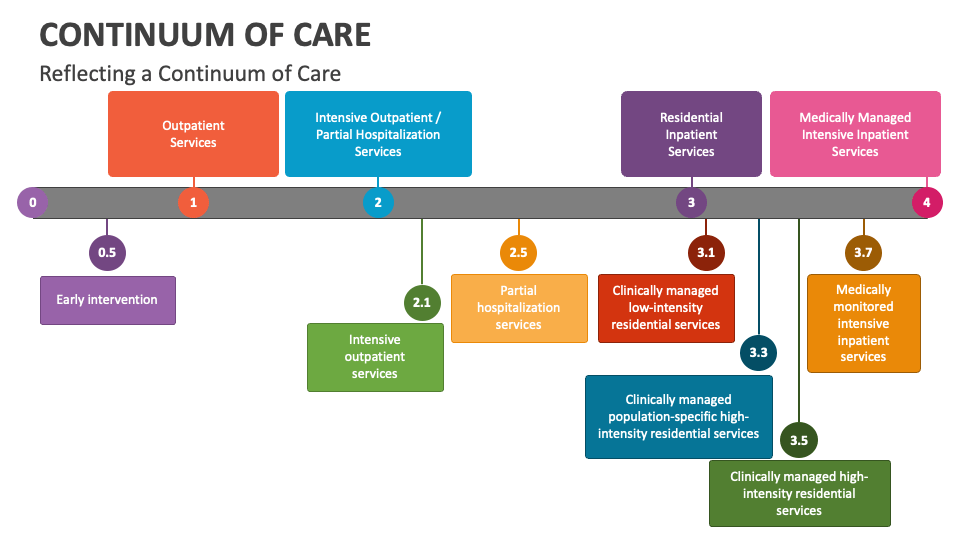
Critics and legal advocates have raised concerns that these new federal interpretations could facilitate the institutionalization of homeless individuals. While Gov. Cox has publicly supported moves to reintegrate individuals into care facilities, lawsuits are currently constraining HUD’s ability to unilaterally cancel existing grants or force a total transformation of the Continuum of Care process. The tension remains between the federal desire to enforce a new, recovery-centric attitude and the long-standing legal obligations to assist disabled Americans within their own communities.
Utah as the Testing Ground
For Utah, the alignment with federal priorities has secured its position as a preferred recipient of federal resources. The state currently receives roughly $2.9 million in Continuum of Care funding, supplemented by an additional $16 million in annual support for local homeless services organizations, as reported by the Deseret News. Ronald J. Kurtz, HUD’s assistant secretary for Community Planning and Development, emphasized at the Central Utah Homeless Summit that the state’s ability to coordinate across nonprofits and law enforcement makes it the model for the rest of the country.
This approach is further bolstered by the Great American Recovery Initiative. In August, HUD partnered with the Department of Health and Human Services to allocate $96 million into care systems specifically for co-occurring disorders. Utah was the first state to take executive action in support of this faith-centered, recovery-focused strategy, positioning itself at the forefront of the administration’s national overhaul.
The scale of the challenge remains immense. By 2024, the number of individuals experiencing homelessness on any given night had climbed to 771,500, a 33% increase during the Biden presidency. As the federal government moves to dismantle the existing grant structures in favor of this new, treatment-heavy framework, the success of the Utah model will serve as the primary evidence for whether this shift can actually reverse a decade of rising unsheltered homelessness.

Shakira Austin Named to 2026 All-WNBA Second Team
Shakira Austin Secures Spot on 2026 All-WNBA Second Team Washington Mystics center Shakira Austin has officially been named...

Sioux Falls Skyforce Enter New Era Under Coach Mario Casamajor
The Sioux Falls Skyforce open their 2026–27 campaign this Saturday, November 7, against the Grand Rapids Gold at...

Providence Residents Challenge New State Odor Regulations
For residents living near the Port of Providence, the air outside their windows is often more than just...

Bruno Damiani Earns First Uruguay Senior National Team Call-Up
Philadelphia Union Forward Bruno Damiani Joins Uruguay Senior Squad Philadelphia Union forward Bruno Damiani has earned his first...