
President Donald Trump introduced new semiconductor export rules Monday, written by the Treasury Department instead of the Commerce Department that normally oversees chip licenses, as a public feud between Scott Bessent and Howard Lutnick over China policy spilled into the open ahead of Trump’s meeting with Xi Jinping.
The move marks an unusual bureaucratic bypass: Bessent’s Treasury and the White House drafted the restrictions, which require licenses for advanced chip sales to buyers in third countries suspected of serving as conduits to China. Commerce Secretary Lutnick, who has faced bipartisan criticism for delaying enforcement against a Singapore-based firm called Megaspeed, announced the rule Monday but did not author it.
Divisions over China policy will likely endure; President Trump’s successor will face a stronger China, greater anxiety among allies and partners over U. S. reliability, and a marked gap between Beltway and public views on managing tensions with Beijing.https://t.co/2rtRJP4jdV
Megaspeed Flashpoint
Megaspeed International, a Singapore data-center operator, purchased more than $4.8 billion of Nvidia chips in roughly two years. U.S. authorities suspect many of those chips were smuggled into China rather than used in Megaspeed’s own facilities, a charge the company denies.
For months, the Treasury, State, and Defense departments and the U.S. Trade Representative pushed to place Megaspeed on the Commerce Department’s Entity List — a trade blacklist that would block exports — but Lutnick’s agency did not act.

Oval Office Confrontation
The dispute escalated behind closed doors. On November 5, Trump convened an Oval Office meeting to discuss the political fallout from Nvidia CEO Jensen Huang’s resignation, which followed reports of his relationship with Alice Huang, a former Megaspeed executive whom some U.S. officials believe was recruited by Chinese intelligence.
According to two sources briefed on the discussion, Bessent confronted Lutnick over why Megaspeed had not been added to the Entity List faster, given that Secretary of State Marco Rubio and Trade Representative Jamieson Greer had already agreed it was the correct move.
Trump’s lax enforcement of Biden’s ban on chip sales to China is enormously damaging to our national security. Congress must act—pass legislation to close all the loopholes. https://t.co/Wgodw0sb3b via @NYTimes
Lutnick responded that he would defer to Trump and would add Megaspeed if that was what the president wanted, the sources said. Trump settled on a third approach: directing Lutnick to craft an interim rule targeting Chinese AI labs that lease computing power from data centers in Southeast Asia — a “remote access” loophole the new rule announced Monday aims to close.
Huang Resigned After Affair; Spy Allegations Emerged
Jensen Huang resigned as Nvidia CEO last week after acknowledging an affair with Alice Huang (no relation). The New York Times reported that about a year ago, Trump was briefed on intelligence suggesting she was a Chinese asset who had grown close to Huang. Lutnick received a classified memo about the relationship before Trump’s trip to China in May, according to Axios reporting cited by multiple outlets.
The president's comments DO matter. The president can do a pre-pardon, say that Jensen is a too important to Nvidia and Nvidia is a national treasure. That's how it would go.
“Either Lutnick doesn't know how to do his job or he is protecting Huang,” said a critic quoted by CBS News. The Commerce Department has not responded to requests for comment on the allegations.
Bipartisan Pressure Mounts
Lawmakers from both parties have intensified scrutiny. Sen. Elizabeth Warren, the ranking Democrat on the Senate Banking Committee, called on Lutnick and his deputy Jeffrey Kessler to “explain why they have not closed export control loopholes” and urged them to “act today to ensure our advanced technology is not fueling China's military.” In March, Warren wrote to Lutnick demanding the “immediate pausing” of all export licenses for Nvidia chips destined for China.
To me, it’s a clear conflict of interest when Secretary Lutnick’s sons run the tech company that’s supplying China with AI computing power. ⁰⁰If we’re going to protect our most advanced technology from our competitors and adversaries, we need strong export controls and…
Trump’s Calculation
Trump has stood by Lutnick, telling reporters Monday he was not planning to remove him, days after Reuters reported that top White House aides had debated whether he should go. Ahead of his Asia trip, Trump said Lutnick’s delays avoided a “blowup with China” and that the administration has a “very good relationship with China right now,” according to sources speaking to WIRED.
The president’s stance reflects a deeper divide among his advisers. Some, including Bessent, Rubio, Greer, and National Intelligence Director Jay Clayton, have argued for aggressive controls. Others, led by Elon Musk, have advocated for engagement. Trump acknowledged Monday that there are “two different views” among his aides on how to respond to the Nvidia scandal.
Pattern of Easing Restrictions
The current clash fits a pattern. In April 2025, the White House curbed sales of Nvidia’s H20 chip, designed for the Chinese market — only to reverse course three months later.
In December 2025, Trump permitted sales of the more powerful H200 chip to approved Chinese customers, conditioned on 25 percent of revenue going to the U.S. government. Nvidia’s most advanced Blackwell and Rubin chips remain barred from direct sale to China, a senior White House official confirmed to WIRED.
As Trump prepares to meet Xi, the new rule targeting remote access through Southeast Asian data centers represents the administration’s latest attempt to thread the needle. Whether it satisfies congressional hawks or merely papers over the internal rift remains the central question heading into the APEC summit.
- WinterJam 2027 Jacksonville: Volunteer for ChildFund Sponsorship Tables at VyStar Veterans Memorial Arena
- Tehran Was Supposed to Be Bleeding
- Nvidia rules out Jensen Huang returning as CEO despite his willingness to come back (newsarchyuk.com)
- Trump's Beef Quota Filled About 37% in Month One; Ground Beef Fell 13 Cents (daybreakwire.com)

WinterJam 2027 Jacksonville: Volunteer for ChildFund Sponsorship Tables at VyStar Veterans Memorial Arena
WinterJam's 2027 tour stops at Jacksonville's VyStar Veterans Memorial Arena on Friday, January 15, 2027, and organizers are...
Tehran Was Supposed to Be Bleeding
Tehran was supposed to be bleeding. Instead, it is drafting escalation plans. That is the assessment landing on...
Article Highlights Hartford Office Lunch Trends and Fooda Platform Data
Hartford employers are quietly rewriting the rules of the office perk, moving past the stale sandwich tray and...
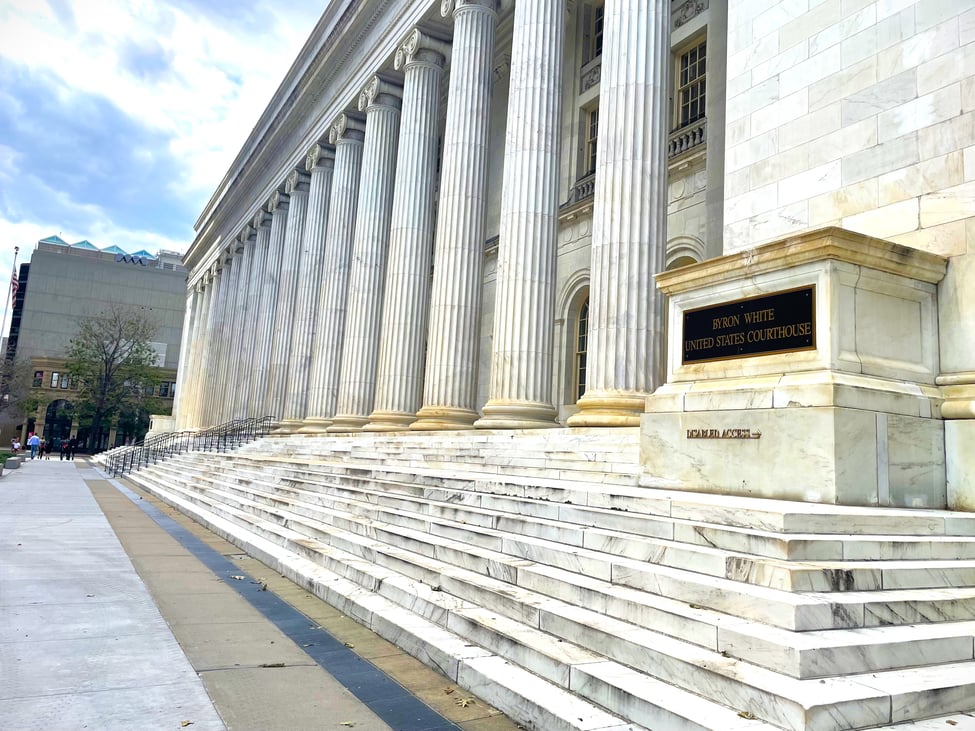
Denver Recruit Seeks 10th Circuit to Revive Suit Over Amputation After ‘Fight Day’ Training
Victor Moses wants the 10th U.S. Circuit Court of Appeals to reinstate his federal civil-rights claims against the...