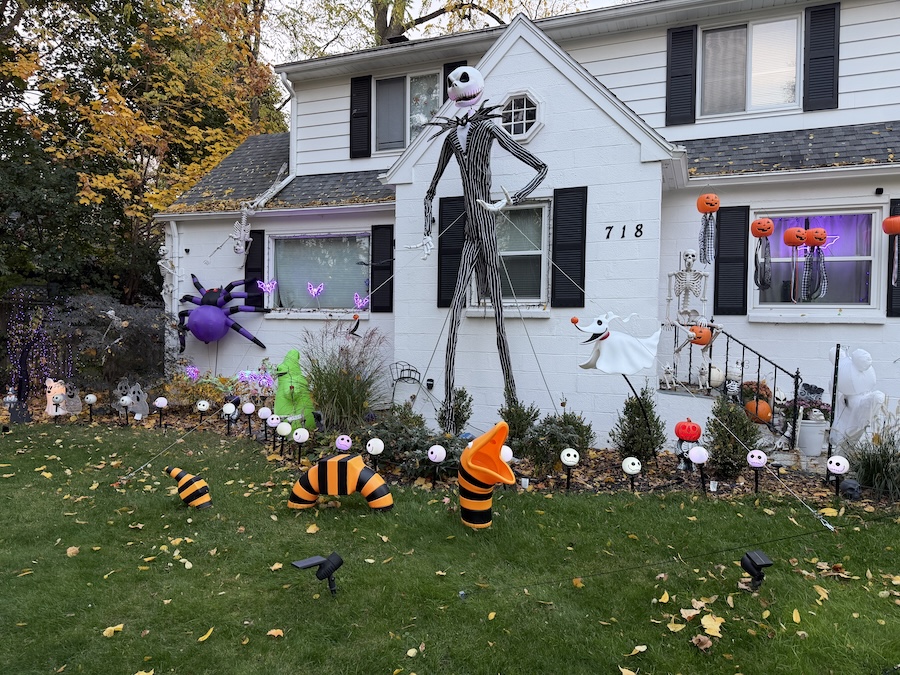
The traditional American Halloween ritual of door-to-door trick-or-treating is facing a systemic shift as “trunk-or-treat” events—where children collect candy from decorated car trunks in centralized parking lots—gain traction across the Midwest.
The Rise of the Parking Lot Halloween
The shift toward trunk-or-treating accelerated during the pandemic, providing a way for families to maintain holiday traditions while adhering to social distancing guidelines. For many, the convenience of a single location outweighs the unpredictability of a neighborhood route. Lydia Tang, a parent interviewed by East Lansing Info, noted that these events often span two weeks and occur on various weeknights and weekends, allowing parents to fit the holiday into a rigid family schedule rather than relying on a single night.
This flexibility also serves as a hedge against the volatile late-October weather common in the Great Lakes region. In Michigan, where 35-degree rain and blustering winds can ruin a costume, trunk-or-treats ensure children receive their haul regardless of the forecast. Tang views these events as supplemental experiences that coexist with traditional trick-or-treating, rather than a total replacement.
Accessibility and the Logistics of Inclusion
Beyond convenience, the move to paved surfaces addresses significant gaps in the traditional Halloween model. Paty Jaimes told East Lansing Info that parking lots are inherently more accessible for children with disabilities or mobility concerns. Some organizers have further refined this by creating sensory-friendly events specifically designed for children who might find the chaos of a traditional neighborhood route overwhelming.
However, the sheer volume of these events may be creating a “choice overload” for families. Jaimes suggested that the proliferation of trunk-or-treats throughout October can lead to children becoming “Halloweened out” before the actual holiday arrives, potentially diminishing the excitement of the traditional October 31st experience.
The Psychological Cost of Convenience
While the logistical benefits are clear, there is a growing argument that the “frictionless” nature of trunk-or-treating removes the psychological rewards of the holiday. Traditional trick-or-treating is not merely about the acquisition of sugar; it is a lesson in endurance and emotional resilience. Walking miles in the cold, managing a bulky winter jacket over a costume, and facing the silence of a dark house where no one answers the door are formative experiences.

The struggle of the long night—the disappointment of a house that forgot to turn on its lights or the effort required to find one's way through a neighborhood—teaches children how to handle minor failures and appreciate the "hard-earned" success of a full candy bag. By bringing the candy to the children, the modern approach removes the “character-building misery” that historically defined the rite of passage.
National Trends in Holiday Participation
The tension between tradition and convenience is reflected in broader national data. According to a publication by the National Retail Federation, overall participation in Halloween events has actually increased, even though traditional door-to-door trick-or-treating has not yet returned to pre-pandemic levels. This suggests that Americans aren’t abandoning the holiday; they are simply migrating toward organized, centralized events.
This migration creates a distinct divide in the community experience. On one side are the parents prioritizing safety and inclusivity; on the other are those who believe the “struggle” is the point. This debate extends to the homeowners as well. Some residents invest heavily in king-size candy bars and elaborate home displays, only to find that the neighborhood foot traffic has dwindled in favor of the local church or school parking lot.
Whether this evolution is a necessary adaptation for a more inclusive society or a slide toward an overly sanitized childhood remains a point of contention. What is certain is that the “vibe” of Halloween is changing from a decentralized neighborhood adventure to a scheduled community event.
Worth a look

Indianapolis Motor Speedway opens ticket purchases for 2027 season
Tickets for the 2027 event season at the Indianapolis Motor Speedway are now available for purchase via IMS.com...
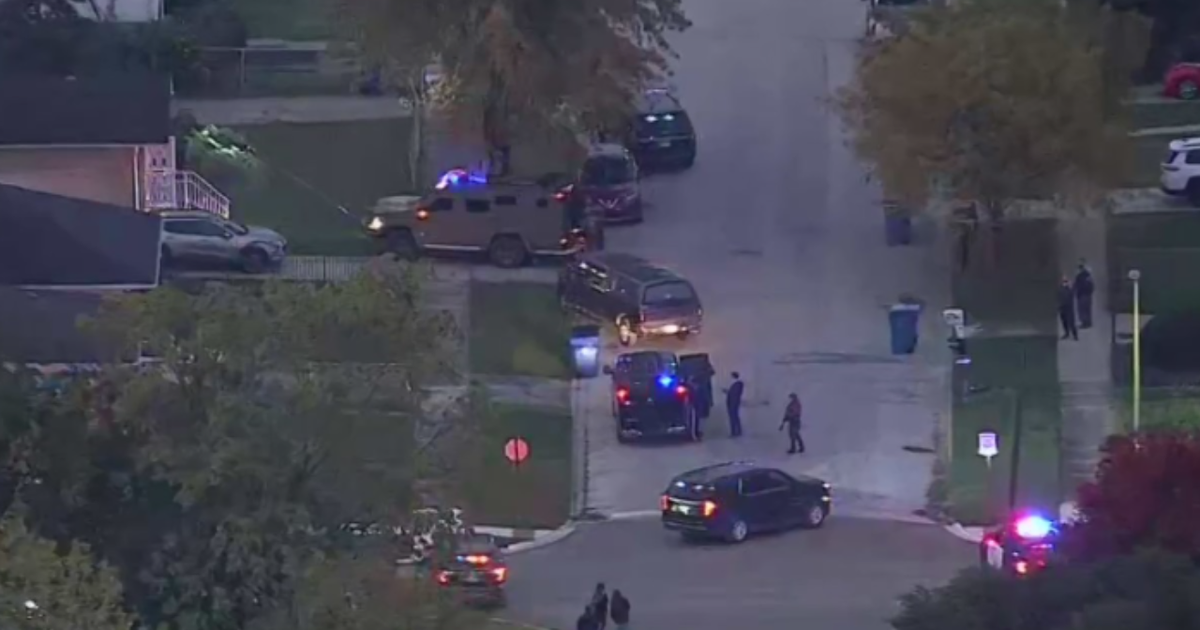
Man Killed in FBI Agent-Involved Shooting in Dixmoor, Illinois
A 22-year-old man was shot and killed by FBI agents during a federal warrant operation in Dixmoor, Illinois,...

Kristan Hawkins Debates Abortion at Boise State Campus
Kristan Hawkins, president of the anti-abortion nonprofit Students for Life of America, stood beneath a canopy tent behind...

Marian Kursh Named First Athletic Director and Assistant Principal for Little Rock West High School
Marian Kursh has been named the first athletic director and assistant principal for Little Rock West High School....