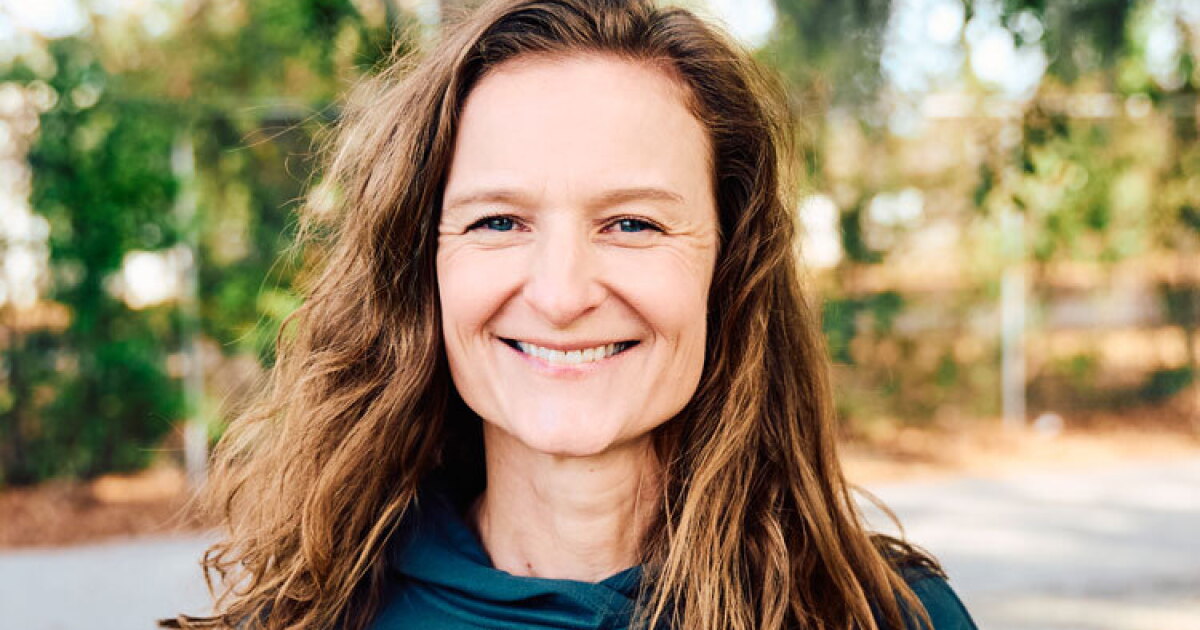
Amy Barch, founder and executive director of Turn90 in North Charleston, argues that intensive therapeutic services combined with job training and wraparound support can break the cycle of re-incarceration, South Carolina Public Radio reported.
Nationally, about 62% of everyone who leaves prison is rearrested within three years, Barch said on the South Carolina Business Review. Turn90 targets people with the highest risk factors — identified through structured risk assessments that measure peer influences, attitudes toward employment and education levels — and houses therapy, job training and support services in a single center.
“The more barriers, challenges, risks that somebody faces, the more likely it is that they are going to be rearrested and re incarcerated,” Barch told South Carolina Public Radio.
She said family ties can sometimes increase risk rather than reduce it. “If someone’s closest family members have been incarcerated or continuing to commit crimes and be involved in a criminal lifestyle, basically you’re asking somebody to distance themselves and sometimes cut themselves off from their family,” Barch said.
Barch traced the organization’s origin to a 2004 jail internship. “I completely was blown away by the experience. It was just amazing the amount of talent that’s in our prison system,” she said.
After working in other nonprofits and doing advocacy, she started Turn90 when volunteer work in the Charleston County Jail drew interest from some people in the prosecutor’s office and some judges who encouraged her to expand the effort.
Turn90’s model integrates four pillars — 150 hours of cognitive behavioral classes, weekly supportive service sessions, transitional work in its social enterprises, and placement into jobs paying a livable wage with benefits — delivered in a single center where participants are paid $14 to $16 an hour for a 35-hour week.
The organization targets men with the highest risk factors measured by structured assessments of peer influences, attitudes toward employment and education levels, and its Charleston center has served men since 2015, Columbia since 2021 and Spartanburg since 2025.
The interview aired on South Carolina Public Radio and is available at South Carolina Public Radio.
Keep reading

Rome Odunze Touchdown Powers Chicago Bears 39-35 Comeback Win Over Detroit Lions
The Chicago Bears secured a dramatic 39-35 comeback victory against the Detroit Lions on Thursday, overcoming an 11-point...
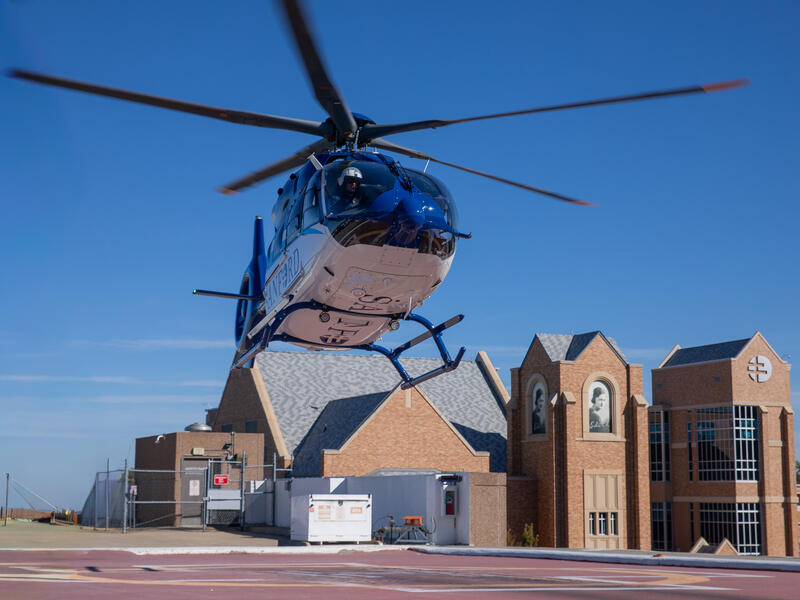
Sanford AirMed Adds First of Three Airbus H145 D3 Helicopters to Sioux Falls Fleet
Sanford AirMed added a new Airbus H145 D3 helicopter to its Sioux Falls fleet Friday, the first of...

Amtrak Cancels Keystone Service Between Harrisburg and Philadelphia
Amtrak canceled multiple Keystone Service trains between Harrisburg and Philadelphia on Friday after a large tree fell across...
Presley Rules Out Run for Office in 2027
Presley rules out any public office run in 2027, citing family timing. Colom’s Senate win had fueled speculation...