
The American job market showed renewed momentum in October, with employers adding 165,000 jobs. This latest Labor Department report, released Friday, also signals a tightening labor force, as the unemployment rate dipped to 4.1% from 4.2% the previous month. As Boise State Public Radio noted, these figures arrive against a backdrop of significant economic friction, where the gains in hiring are being carefully weighed against the persistent pressure of inflation.
The headline growth is supported by positive revisions to the recent past. Employment gains for both August and September were adjusted upward, adding a combined 84,000 jobs to the total count. This revision suggests that the underlying pulse of the economy was stronger throughout late summer than initial estimates captured.
Sector Shifts and the Cost of Labor
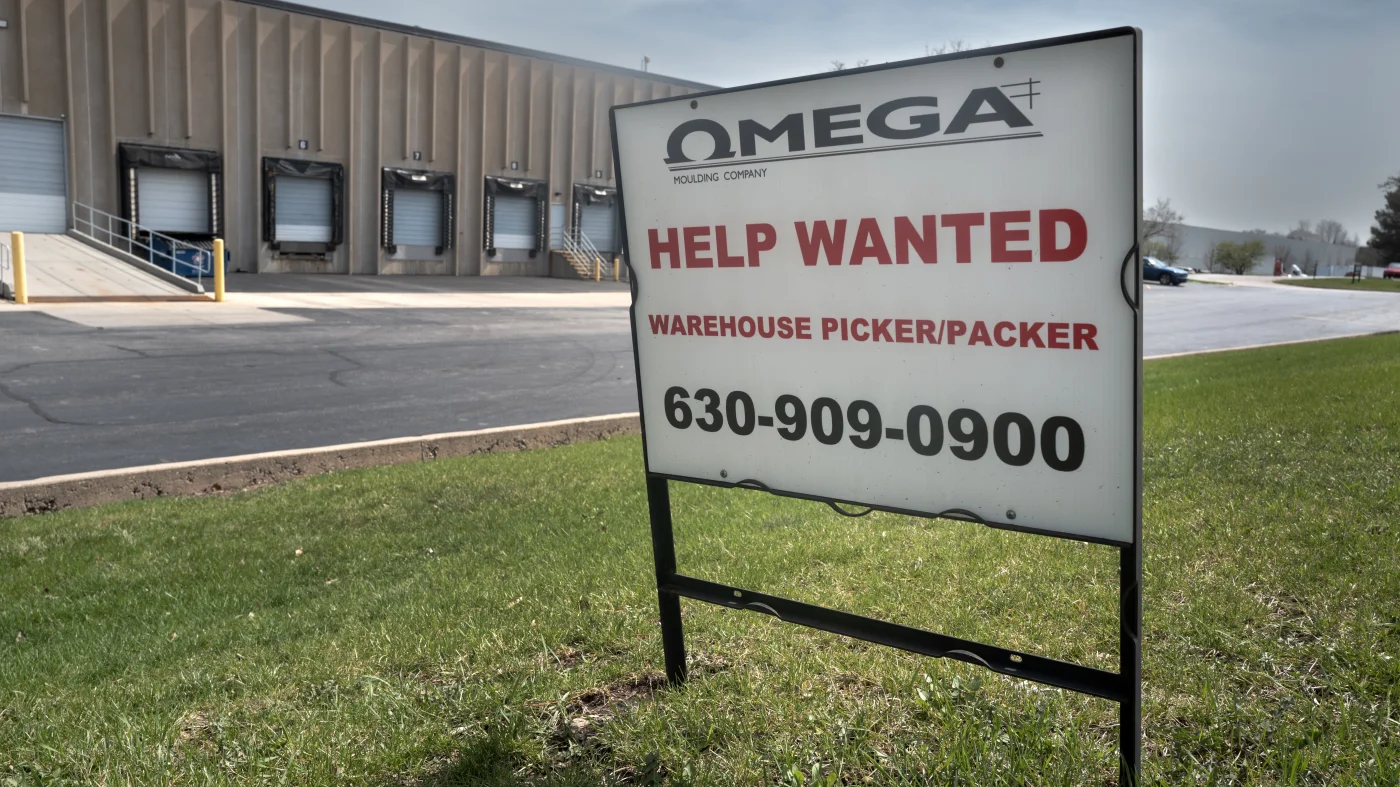
The composition of this growth remains uneven across the industrial landscape. Healthcare, manufacturing, and business services acted as primary engines for job creation last month. Conversely, the construction and restaurant industries moved in the opposite direction, shedding positions during the same period. Meanwhile, NPR reported that the warehouse and transportation industry contributed 25,000 jobs to the total, highlighting a specific demand for logistics labor.
Wage growth provides a critical, if complicated, metric for the health of the average worker. Average wages in October rose 3.1% compared to a year ago. While this represents an acceleration over the previous month’s pace, it remains insufficient to outrun the rising cost of living. Inflation climbed to 3.7% in September, a trend heavily influenced by the sharp increase in energy prices following the conflict with Iran.
Workers are losing ground right now. The longer it wears on, the more and more they’re going to feel that. — Cory Stahle, economist with Indeed.
This gap between paycheck increases and the cost of essential goods has become a central feature of the current economic environment. For many households, the nominal gains in employment are being eroded by the practical reality of higher prices at the pump and the grocery store.
Political Stakes and Monetary Policy
The economic squeeze has had direct consequences in the halls of government. Frustration over inflation served as a decisive factor in the midterm elections, ultimately costing the Republican Party their majorities in both the House and the Senate. The political shift underscores the tangible impact of macroeconomic trends on voter sentiment.
With the unemployment rate remaining at a historically low level, the Federal Reserve has maintained its focus on curbing inflation. While the central bank opted to hold its benchmark interest rate steady last week, market analysts and investors are already anticipating a rate hike when policymakers convene in December. The challenge for the Fed remains delicate: they must weigh the risk of cooling an economy that is still adding jobs against the necessity of bringing price levels back into balance.
Whether the labor market can continue to expand while the Federal Reserve tightens monetary policy remains the defining question for the coming months. For now, the data reflects an economy that is growing, yet clearly struggling to provide its workers with the purchasing power they need.

How to Save Money on Holiday Grocery Costs This Season
The Rising Cost of the Thanksgiving Table As the holiday season approaches, the reality of the grocery bill...

UMB Partners Bring Dementia Care Resources to West Baltimore
Dementia Resources Expand in West Baltimore Through New Partnerships The University of Maryland, Baltimore (UMB) Office of Community...

The Supply Hive Launches New Platform to Connect Donors and Volunteers
The Supply Hive Builds a Digital Bridge for Des Moines Mutual Aid The Supply Hive, a Des Moines-based...

The Villages of Indiana Expands Family and Youth Mental Health Services
Expanding Healthy Families Indiana to Reach Rural Households The Villages of Indiana is significantly scaling up its operations,...