
Your old will and trust do not automatically expire or lose their legal weight the moment you cross the Georgia state line. While these documents generally remain valid, they may function differently under Georgia’s specific statutes regarding probate, spousal support, and property titling, making a professional review a practical step for new residents.
Moving Your Estate Plan to Georgia
You have finally unpacked the last box, updated your mailing address, and secured your Georgia driver’s license. Tucked away in a file cabinet is the estate plan you signed years ago in a different state. The transition to a new home brings up a common question: do those documents still hold up? According to the Life Well Lived Law Group, a firm based in Lawrenceville, your existing will and trust do not stop working the day you arrive. However, Georgia probate courts operate under their own set of rules, and a plan that was perfectly tailored to your previous state’s laws might have gaps or inefficiencies when applied here.
Validating an Out-of-State Will
A will signed in another state is typically recognized in Georgia, provided it meets the basic legal requirements of the state where it was signed. When you pass away, the Georgia probate court will look to see if your will adheres to Georgia’s standards, which generally require the document to be in writing, signed by you, and witnessed by at least two able individuals.
Problems often arise with documents that deviate from these traditional norms. Handwritten wills that lack witnesses—which some jurisdictions allow—or documents signed electronically can face significant scrutiny. To avoid potential delays, many residents look into a self-proving affidavit. As the Augusta-Richmond County Probate Court notes, this sworn statement allows a court to admit a will without needing to track down witnesses who might be living states away years after the document was signed. If your original affidavit does not align with Georgia’s specific statutory requirements, having a local attorney update it can be a simple way to streamline the future probate process.

Managing Trusts and Property Titling
While a revocable living trust usually remains valid after a move, the mechanics of how it holds your assets can become complicated. Georgia’s trust code generally respects the law of the state where the trust was created, but that does not account for the assets you acquire after moving. A common oversight occurs with real estate; if you purchased a new home in Georgia in your own name rather than transferring it into your trust, that property may be subject to probate.
The same logic applies to new bank accounts or brokerage holdings opened after your relocation. Furthermore, if you kept land or a house in your former state, your family might face the burden of an “ancillary probate”—a secondary legal process in that original state—unless the property is properly titled to your trust. For Georgia-based real estate, you now have the option of a transfer-on-death deed (TODD), a mechanism allowed since July 1, 2024, that allows you to designate a beneficiary to receive the property without probate. Recent legislative updates effective as of April 22, 2026, and July 1, 2026, have clarified the requirements for this, including the need for specific affidavits and tax declaration forms.
Addressing Differences in Spousal and Family Law
One of the most significant risks for new arrivals is assuming that Georgia law mirrors the laws of their previous home. If you moved from a community property state—such as California, Texas, or Arizona—your estate plan might be built on the assumption that marital assets are owned equally. According to IRS Publication 555, these community property rules do not apply in Georgia.
Additionally, Georgia does not use the “elective share” system found in many other states, where a spouse is guaranteed a specific percentage of an estate. Instead, Georgia provides a “year’s support” right, which allows a surviving spouse and minor children to petition for a portion of the estate to cover living expenses for the first 12 months after a death. This right takes priority over most debts and applies even if a will suggests otherwise. If your previous plan was predicated on an elective share model, it may not produce the outcome you intended for your family here.
Updating Financial and Medical Directives
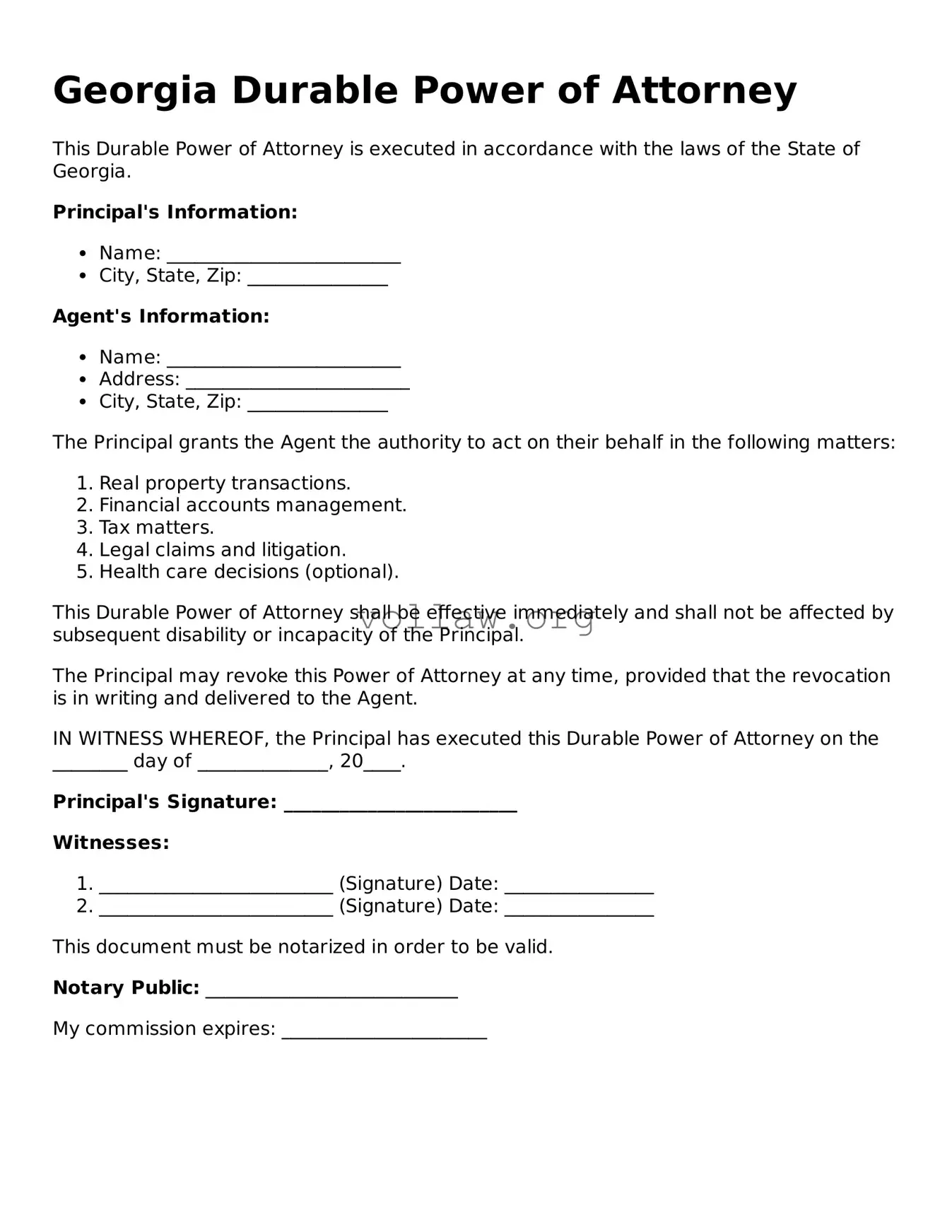
While Georgia’s Power of Attorney Act generally honors financial and health care documents signed in other states, local institutions like hospitals or banks may request additional verification for unfamiliar forms. This can lead to administrative friction during an emergency. Many residents choose to adopt the Georgia Advance Directive for Health Care, a unified form that allows you to name an agent and define your treatment preferences.
Beyond the documents themselves, the people you named to fulfill these roles may also need a second look. If you named a sibling or friend who still lives in your former state, they may face significant travel or logistical hurdles when trying to manage your affairs in Georgia. Revisiting your choice of executor and trustee is a practical step to ensure your plan remains functional, not just legally valid. As the Georgia Department of Revenue confirms, the state has not imposed an estate or inheritance tax since 2014, so you can focus your planning on efficiency and clarity rather than tax-avoidance strategies that may no longer be necessary.
Worth a look

NRS Urges Nigerian Content Creators to Register Businesses and Obtain Tax IDs for Incentives
Nigeria’s Creative Economy Faces Tax Formalization Mandate The Nigeria Revenue Service (NRS) has signaled a shift in how...
WFCA Fire Map tracks Pine Creek Fence Boundary Piles RX Fire in Wyoming
Tracking the Pine Creek Fence Boundary Piles Rx Fire As of November 6, 2026, the Western Fire Chiefs...

WSET Meteorologist Predicts Snow Totals for Virginia Winter 2026-2027
Virginia’s Winter Forecast: A Season of Uncertainty As residents across Virginia prepare for the colder months, the question...

Vermont House and Senate Election Results by District
Vermont Legislative Shifts: A Detailed Breakdown of the 2016 Election Results The 2016 Vermont legislative elections resulted in...