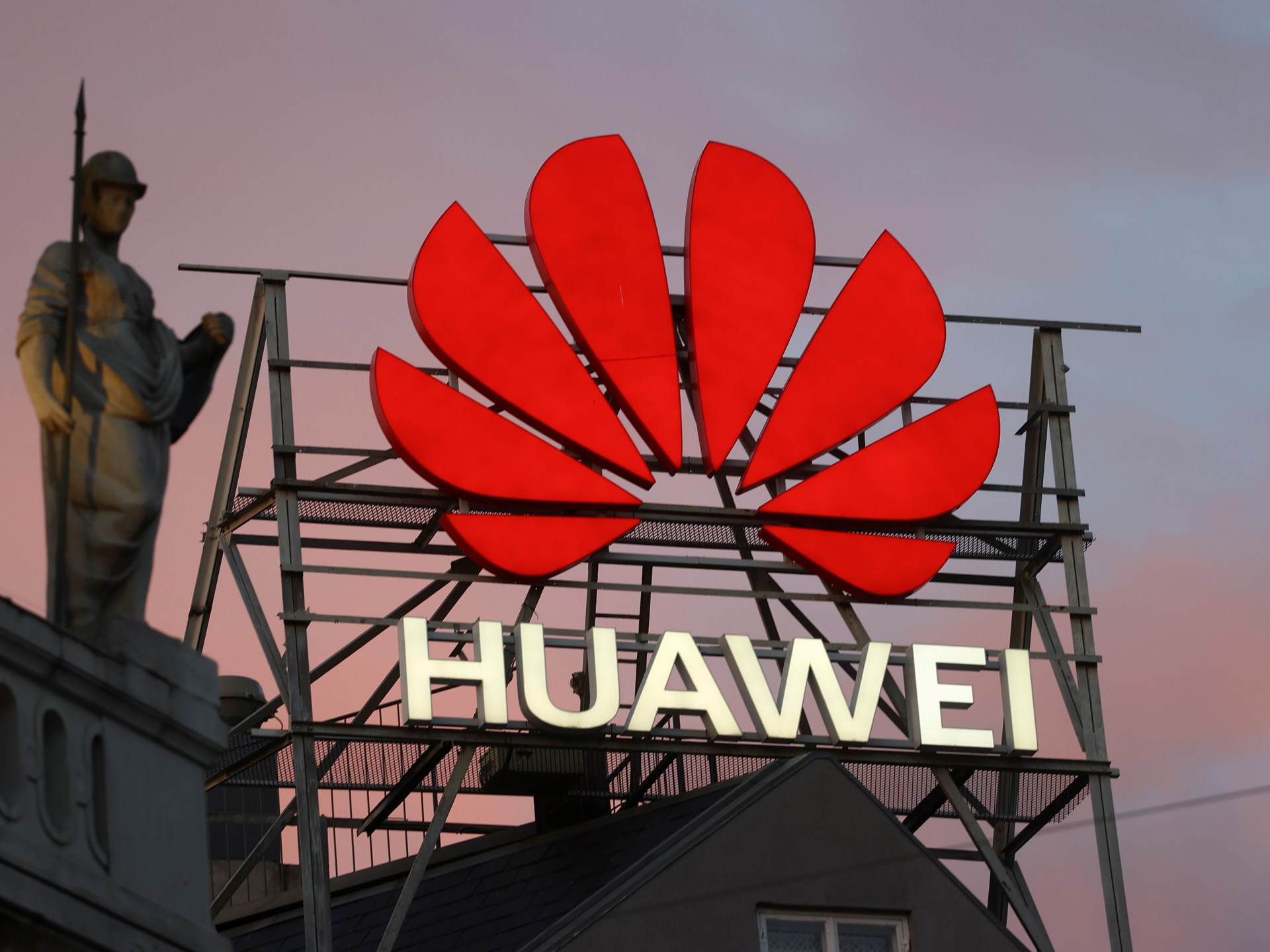
A U.S. jury in Brooklyn convicted Huawei Technologies and three affiliates on Tuesday of conspiracy to steal trade secrets and bank fraud, while acquitting the company of the most serious charge: racketeering conspiracy.
The mixed verdict followed a trial lasting more than two months. Prosecutors called more than 60 witnesses; the defense presented 15. Jurors found the company guilty on 10 of 12 counts, including wire fraud, sanctions violations and money-laundering conspiracy. They rejected the government’s argument that Huawei operated as a criminal enterprise under the Racketeer Influenced and Corrupt Organizations Act.
- Huawei convicted on 10 of 12 counts, including trade-secret theft and bank fraud.
- Jury acquitted the company of racketeering conspiracy and conspiracy to obstruct justice.
- Sentencing is scheduled for September 14, 2027, before U.S. District Judge Ann Donnelly.
- Huawei says it will appeal the convictions.
Government alleges systematic deception and theft
Prosecutors portrayed a company that systematically misled banks and stole technology to gain competitive advantage. The 2018 indictment alleged Huawei deceived HSBC, Standard Chartered and BNP Paribas about its business in Iran, moving dollars through the U.S. financial system in violation of sanctions. In 2020, the Justice Department added charges accusing Huawei of conspiring to steal trade secrets from American companies over two decades.
At trial, the government presented evidence that Huawei stole Cisco Systems router source code, Quintel USA antenna technology, and robotics testing technology from T-Mobile. Victim companies also included Motorola Solutions and Fujitsu. Prosecutors said a Huawei worker on one occasion removed a robotic arm from a competitor’s lab so it could be photographed and measured.
Assistant U.S. Attorney Meredith Arfa told jurors the “tone was set at the top by Huawei leaders and executives who themselves engaged in criminal conduct, like lying to Congress, lying to banks, violating U.S. sanctions and trying to interfere with the very criminal investigation that led to this case.”
Defense argues isolated incidents, not criminal enterprise
Huawei’s lawyers argued the government cherry-picked a handful of disparate episodes involving a few employees out of a workforce of more than 200,000 to fabricate a 20-year conspiracy narrative. Attorney Brian Heberlig said prosecutors relied on “innuendo and facts ripped out of context” and testimony from former employees “with a bone to pick.”

“That was the only count that brought all of the allegations together,” and the jury rejected it, he said outside court, saying that the verdict “repudiated the central government narrative in the case”.
Brian Heberlig, Huawei defense attorney
Heberlig emphasized that Huawei succeeded through “hard work, innovation and competition,” noting the company paid billions in licensing fees — 75 percent to U.S. companies — and had disciplined employees found to have engaged in wrongdoing. “You can't steal a secret that isn't a secret,” he told jurors, pointing out that some Cisco source code at issue had been public for decades.
Heberlig also argued that the racketeering acquittal — the most serious charge the company faced — showed a “profound rejection of the narrative the United States pursued in this case.” He added that “no company can insure perfection over that period of time.”
Meng Wanzhou case shadows the trial
The case has been inseparable from the 2018 arrest in Canada of Meng Wanzhou, Huawei’s chief financial officer and daughter of founder Ren Zhengfei.
Detained on a U.S. warrant accusing her of misleading HSBC about Huawei’s Iran business, Meng fought extradition for nearly three years before entering a deferred prosecution agreement in 2021 and returning to China. The charges against her were dropped. She did not testify at the Brooklyn trial, though an HSBC banker she met with in 2013 did.
Chinese officials have called the prosecution “economic bullying” and an improper use of national security to suppress Chinese companies. The trial overlapped with a summit in Shenzhen attended by President Donald Trump, China’s Xi Jinping and Russia’s Vladimir Putin.

Defense shows licensing payments public code
Attorney Brian Heberlig told the jury that Huawei had paid billions of dollars in licensing fees over the years, with 75 percent of that money going to U.S. companies. He argued that at least some of the Cisco source code prosecutors said was stolen had already been public for decades. “You can’t steal a secret that isn’t a secret,” Heberlig said, according to reports from WMTW and KSAT.
Heberlig also said the company succeeded through “hard work, innovation, and investment in research and development,” noting it employs more than 200,000 people and operates in approximately 170 countries, as reported by Yahoo News and Reuters.
Huawei statement and appeal plan after verdict
In a statement, Huawei said the charges are “without legal or factual merit” and that it “welcomes” the racketeering acquittal, adding it will “thoroughly review the relevant verdicts and take all necessary legal actions to defend our rights and interests,” according to NBC News.
Attorney Brian Heberling confirmed the company plans to appeal the convictions, as noted by NBC News and Newsweek.
Attorney sets sentencing for company fines
U.S. Attorney for the Eastern District of New York Joseph Nocella Jr. said in a statement that the convictions reflected “Huawei’s decades-long pattern of endangering U.S. national security, violating the sanctity of U.S. commerce, and impeding the enforcement of U.S. laws.” Attorney General Todd Blanche said “No person or company is above the law.”

U.S. District Judge Ann Donnelly has set sentencing for September 14, 2027. The company could face billions of dollars in fines and forfeiture, though Heberlig told the court “I don't think ability to pay is going to be an issue here” and that Huawei has “more than sufficient” funds.
Huawei remains on the U.S. trade blacklist imposed in 2019, barred from selling equipment to American carriers and cut off from key U.S. technology.
Yet the company has continued to expand globally, moving into chipmaking and AI infrastructure as a domestic alternative to Nvidia in China. The verdict does not change those restrictions, but it marks the biggest legal test yet of the U.S. government's campaign against the telecommunications giant.
Worth a look
Harwood Board Votes to Study Closing Two Elementary Schools
Vermont K-12 enrollment has fallen 26% over 23 years, state Education Agency data show. The Harwood Unified Union...

NY Rep.-Elect Constantino Declares Priority: Persuade Gay Americans to Join GOP
"I am not Gay but I do want all Gay Americans to become Republican," Representative-elect Anthony Constantino wrote...

Illinois College Alumni Association Board Elects Five New Directors
Illinois College Alumni Association elected five new directors to its board, the college announced. The new directors —...
Manchester School Board Tables Cuts to German, Latin, ASL and Family and Consumer Sciences Courses
Manchester school board members tabled a proposal to eliminate German, Latin, American Sign Language and Family and Consumer...