
Escalating Conflict and Market Volatility
The benchmark Brent crude price peaked at $95.24 on Wednesday, a jump of more than 3% from the previous day, as airstrikes on Iran and Houthi threats to target Saudi oil vessels compounded supply fears. This marks the first time in six weeks that prices have exceeded $95, despite earlier dips to $71 at the start of July. The surge follows an 11th night of strikes on Iran, including on aircraft hangars and drone storage sites, which Donald Trump said would intensify amid stalled ceasefire negotiations.
The conflict has disrupted Gulf oil exports via the Strait of Hormuz, a critical maritime chokepoint. Analysts at Goldman Sachs warned that without renewed exports through the strait, prices could reach $120 by year-end. Global oil markets have so far benefited from cushioning factors, but there is no room for complacency,
said Fatih Birol, head of the world’s energy watchdog, amid the escalation in hostilities.
Supply Disruptions and Refinery Strains
Refinery activity has remained weak, with Norway’s Equinor reporting profits nearly doubled to $11.5bn in the three months to the end of June, driven by soaring oil and gas prices. Meanwhile, China, the world’s biggest importer, has cut its purchases from the global oil market.
For more on this story, see US and Iran Exchange Military Strikes.
Geopolitical Leverage and Civilian Targets
Both sides have escalated the conflict by targeting civilian infrastructure. Iran has attacked energy facilities and desalination plants in Gulf states, while U.S. forces have boarded vessels in the Strait of Hormuz to monitor Iranian activities. Trump threatened to destroy a bridge or power plant
each time Iran shoots at a ship in the strait of Hormuz, deepening fears of a broader regional war.
Long-Term Risks and Energy Security
Analysts warn that the conflict’s ripple effects could reshape global energy dynamics. While U.S. and Canadian gas exports have offset 70% of lost Gulf gas supplies, availability is expected to remain tight in the run-up to winter as European buyers refill depleted gas storage facilities. Birol stressed that global energy security
hinges on resolving the crisis.
For now, the market remains tethered to the volatile rhythm of the Middle East. As Trump pledges to destroy infrastructure and Iran retaliates with attacks on Gulf states, the $95 oil benchmark serves as both a barometer and a warning: the world’s energy future hangs on the edge of a geopolitical knife.
Keep reading
Canada Seeks Unique EU Alliance Amid US Trade War
Canadian Prime Minister Mark Carney addressed reporters in Toronto on Sunday, outlining a new diplomatic and economic direction...
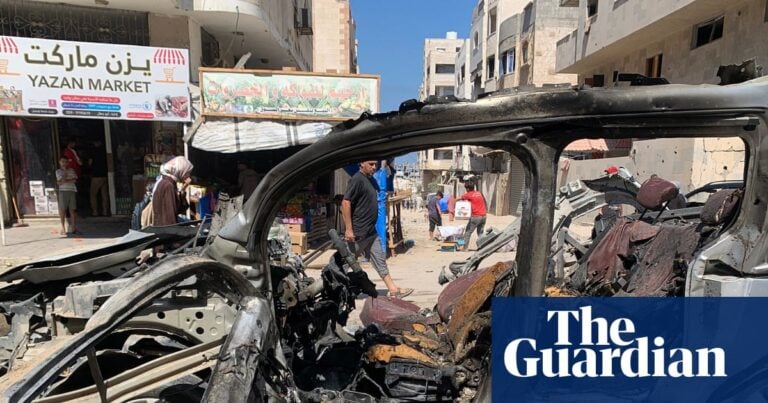
Israeli Attacks in Gaza Kill Pregnant Woman and 10 Others
A pregnant Palestinian woman was shot and killed by Israeli forces in southern Gaza as artillery shelling and...
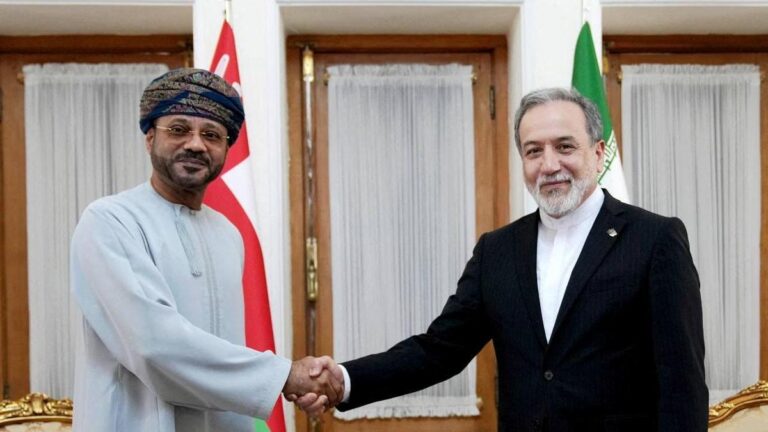
Iran and Gulf Nations Postpone Oman Talks Over Regional Consensus
The delay comes as oil prices fluctuate, U.S. economic sanctions expand, and military tensions in the region escalate...
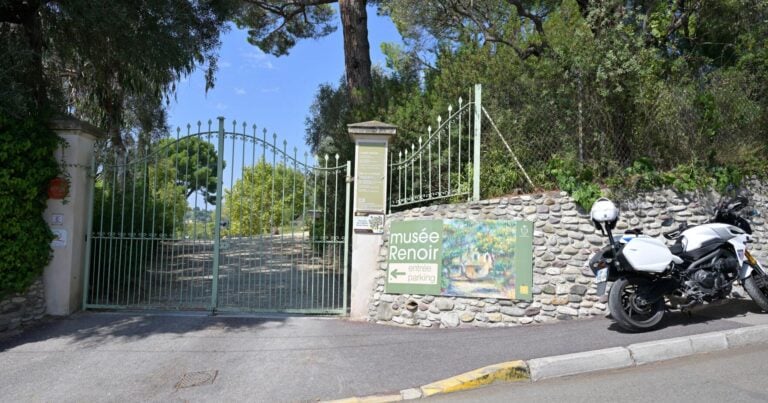
After Louvre Heist, Robberies Continue at French Museums
Following a dramatic daytime heist at the Louvre, a string of break-ins has struck museums and churches across...