
Live HealthSmart Alabama celebrated the completion of several community revitalization projects in the Druid Hills, Fountain Heights, and Norwood neighborhoods of Birmingham on Friday, Nov. 13.
The initiative, which is part of the University of Alabama at Birmingham, focused on pedestrian safety, park enhancements, and walkability through a series of infrastructure improvements, UAB News reported.
These projects aim to reduce structural barriers to healthy living by making it easier for residents to walk, play, and connect within their own communities. The work was finished through a collaboration between local residents, community organizations, the City of Birmingham, and private-sector partners.
“We are excited to join our community and corporate partners to celebrate the progress made in Druid Hills, Fountain Heights and Norwood,” said UAB President Ray Watts. “These achievements reflect the success of the Live HealthSmart Alabama model and the strong partnerships that drive our work. We look forward to building on this momentum as we continue creating healthier communities in Birmingham and throughout Alabama.”
The revitalization efforts distributed various physical upgrades across the three targeted areas, ranging from new lighting to expanded recreational amenities. In Druid Hills, the focus remained on beautification and accessibility, including the installation of 15 high-visibility crosswalks and 20 new streetlights.
The neighborhood also saw the addition of 65 newly planted trees and 700 linear feet of repaired sidewalks. At Barker Park, the project included landscaping upgrades, new signage, and public art murals to create a more vibrant gathering space.

Norwood received investments to improve pedestrian safety and connect recreational areas. This included 22 high-visibility crosswalks and 88 galvanized steel bollards installed to improve safety along Norwood Boulevard. The community also saw the restoration of approximately 1.6 miles of walking trail and several upgrades to Norwood Boulevard Park, such as basketball court repairs and new interactive children’s pavement murals.
In Fountain Heights, the improvements prioritized walkability and outdoor access. The neighborhood gained a quarter-mile paved walking loop, 45 new trees, and 63 solar-powered light bollards to enhance safety during evening hours.
| Neighborhood | Crosswalks Added | Trees Planted | Key Amenity |
|---|---|---|---|
| Druid Hills | 15 | 65 | Barker Park enhancements |
| Fountain Heights | 14 | 45 | Quarter-mile walking loop |
The project is part of a broader mission to address social and environmental barriers to health. By improving the “built environment”—the human-made surroundings where people live and work—organizers hope to encourage physical activity and social connection.

“Meaningful change happens when residents, community organizations and local partners work together,” said Live HealthSmart Alabama CEO Mona Fouad, M.D. “At Live HealthSmart Alabama, our goal is to make healthy choices easier where people live, work, learn and play. The progress achieved in Druid Hills, Fountain Heights and Norwood demonstrates how community-driven solutions can create lasting improvements in health and quality of life.”
These efforts follow the vision of the late Fouad H. Fouad, Ph.D., who led the Live HealthSmart Alabama built environment team from its inception. His work focused on creating environments that support long-term well-being through community-driven solutions.
The implementation of these projects involved multiple city departments, including Transportation, Public Works, Planning, Engineering & Permits, and Community Development. Private partners such as Alabama Power, Protective Life, and Dunn Construction also provided support for the revitalization efforts.
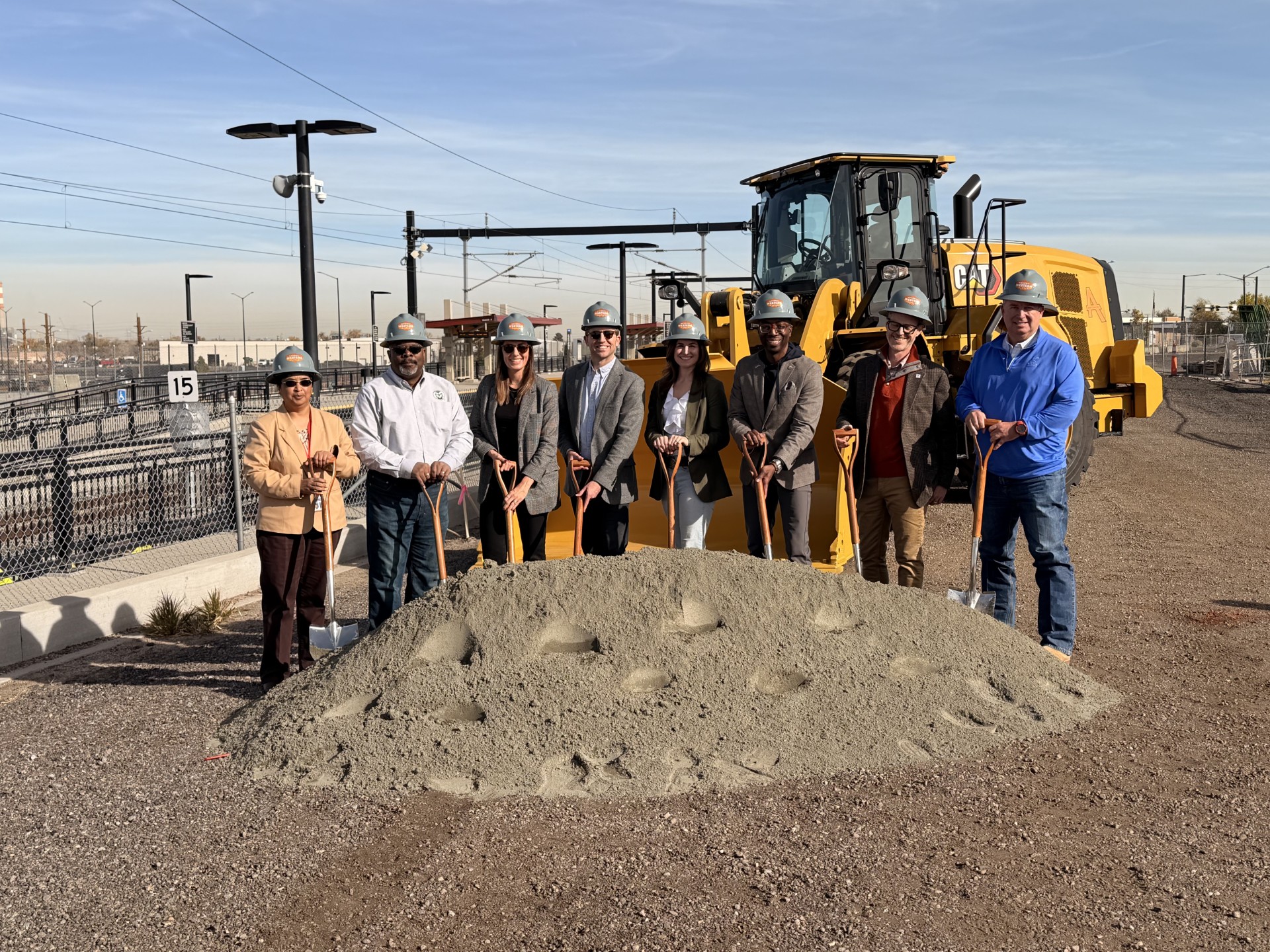
Connecting North Denver Communities: National Western Center Bridge Construction Begins
Denver residents in Globeville and Elyria-Swansea will soon have a direct path to the National Western Center campus...

FAA Orders Nationwide Ground Stop Due to Air Traffic Control Issues
All flights across the United States, including those at Sacramento International Airport, were ordered to a ground stop...
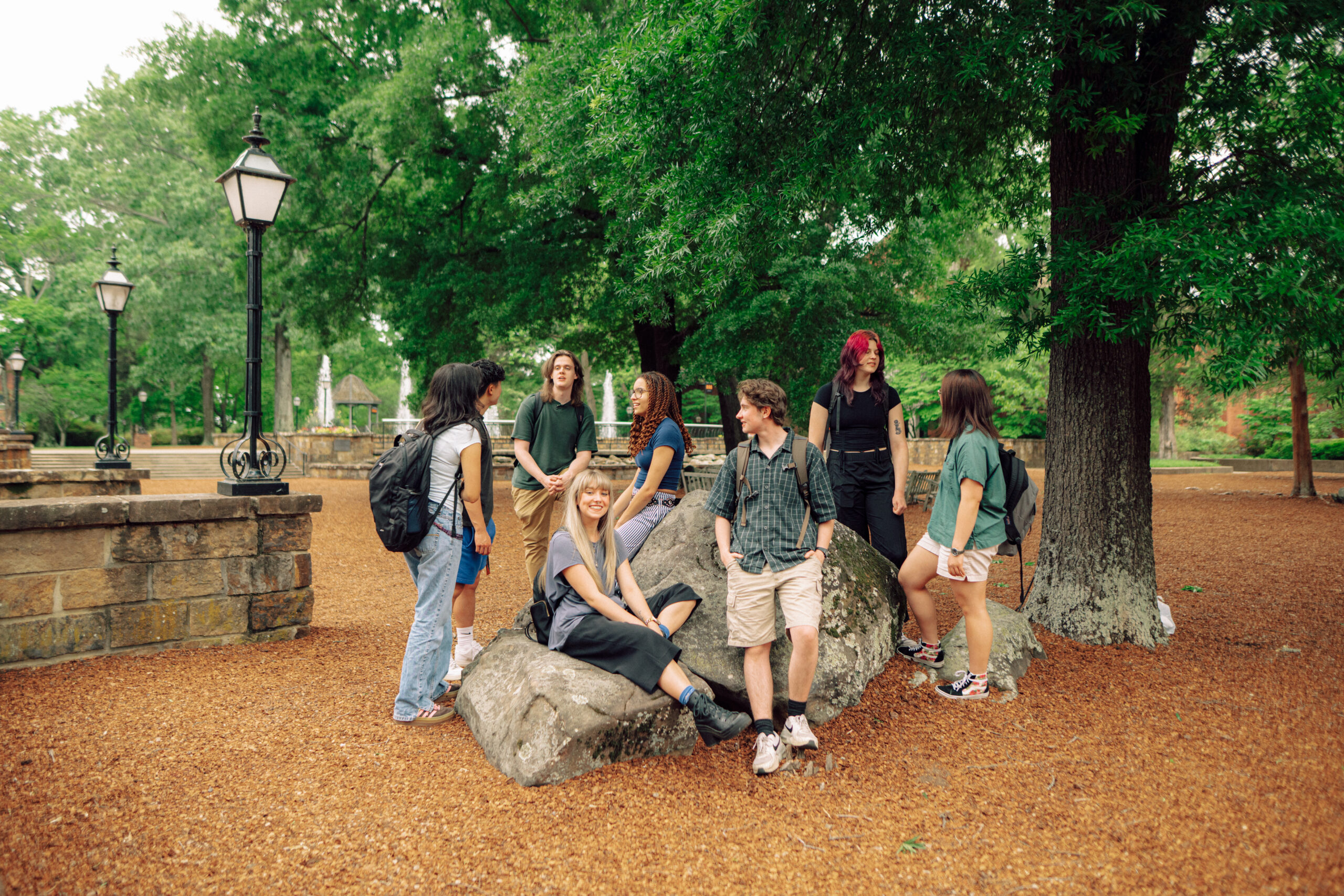
Hendrix College Choir Announces 2026 Candlelight Carol Service
The Hendrix College Choir will perform its annual Candlelight Carol Service this December, continuing a holiday tradition that...

Shanghai Rail Station Density Anchors Employment Scale, Study Says
Rail transit station density serves as the primary anchor for employment scale across the Shanghai metropolitan area, according...