
Researchers at the University of California San Diego have built virtual cell models using artificial intelligence and 40,000 single-cell movies captured via 4D lattice light-sheet microscopy. The systems, detailed in studies published in the journal Cell, map mitochondrial networks and predict drug responses more accurately than traditional 2D imaging.
Mitochondria are often portrayed in textbooks as tiny, bean-shaped structures floating inside cells, but in reality they function more like a shifting power grid, constantly merging, splitting, and moving to wherever energy is needed. That nonstop activity has made them difficult to study at scale, but researchers at the University of California San Diego now say artificial intelligence and “digital twins” of living cells could help change that. That continuous movement has long made them difficult to analyze at scale using traditional flat laboratory images. Now, researchers at the University of California San Diego have turned those dynamic structures into predictive models using 4D lattice light-sheet microscopy.
Building MitoSpace from 40,000 Cell Movies
To capture cellular activity in motion, the team developed MitoSpace, a deep-learning system trained on 40,000 single-cell 4D movies. Researchers assembled these 40,000 single-cell 4D movies after treating cancer cells with 25 compounds that disrupt mitochondria in different ways, allowing the deep-learning system to detect patterns independently without manual labeling.
The system sorted cells by their drug response without being told which treatment an individual cell had received. When trained on the 4D movies, the model distinguished between drugs and grouped them by mechanism with 75% accuracy, compared to only 56% accuracy when trained on the flat 2D images common in large-scale drug screens today.
Constructing Physics-Based Digital Twins
In the other Cell study, the researchers created a physics-based “digital twin” of a real cancer cell. Using specialized image-analysis software, they mapped the positions of mitochondria and of the microtubule tracks they travel on, then added the motor proteins that transport them according to previously established rates. They then integrated motor proteins and the established laws of motion to simulate cellular mechanics, and Schöneberg’s team adjusted its parameters until mitochondrial behavior matched that of the real cell.
“We have built a physics‑based virtual cell and can compare it side‑by‑side to the actual 3D microscopy movie, something that has never been possible before,”
Johannes Schöneberg, PhD, Roger Tsien Chancellor’s Faculty Fellow and associate professor in the Department of Pharmacology at UC San Diego School of Medicine and in the Department of Biochemistry and Molecular Biophysics
To validate the digital twin, the team asked it to predict how mitochondria would respond when microtubules were partially broken down by a drug called nocodazole. Without changing a single parameter, the digital twin reproduced the reduced motion and the fusion and fission rates in real cells treated with the drug.
Targeting Cancer Research and Drug Discovery
Mitochondria matter for more than energy production. As their shapes shift, they can signal whether a cell is healthy, stressed, or damaged, which is why researchers use them as markers when studying conditions such as cancer, diabetes, Alzheimer’s, and mitochondrial disorders in children. A big limitation of older lab imaging is that it often captures only a single flat frame, which can miss continual remodeling. The new virtual systems offer a way to test ideas more efficiently before committing to slower, more costly laboratory work.
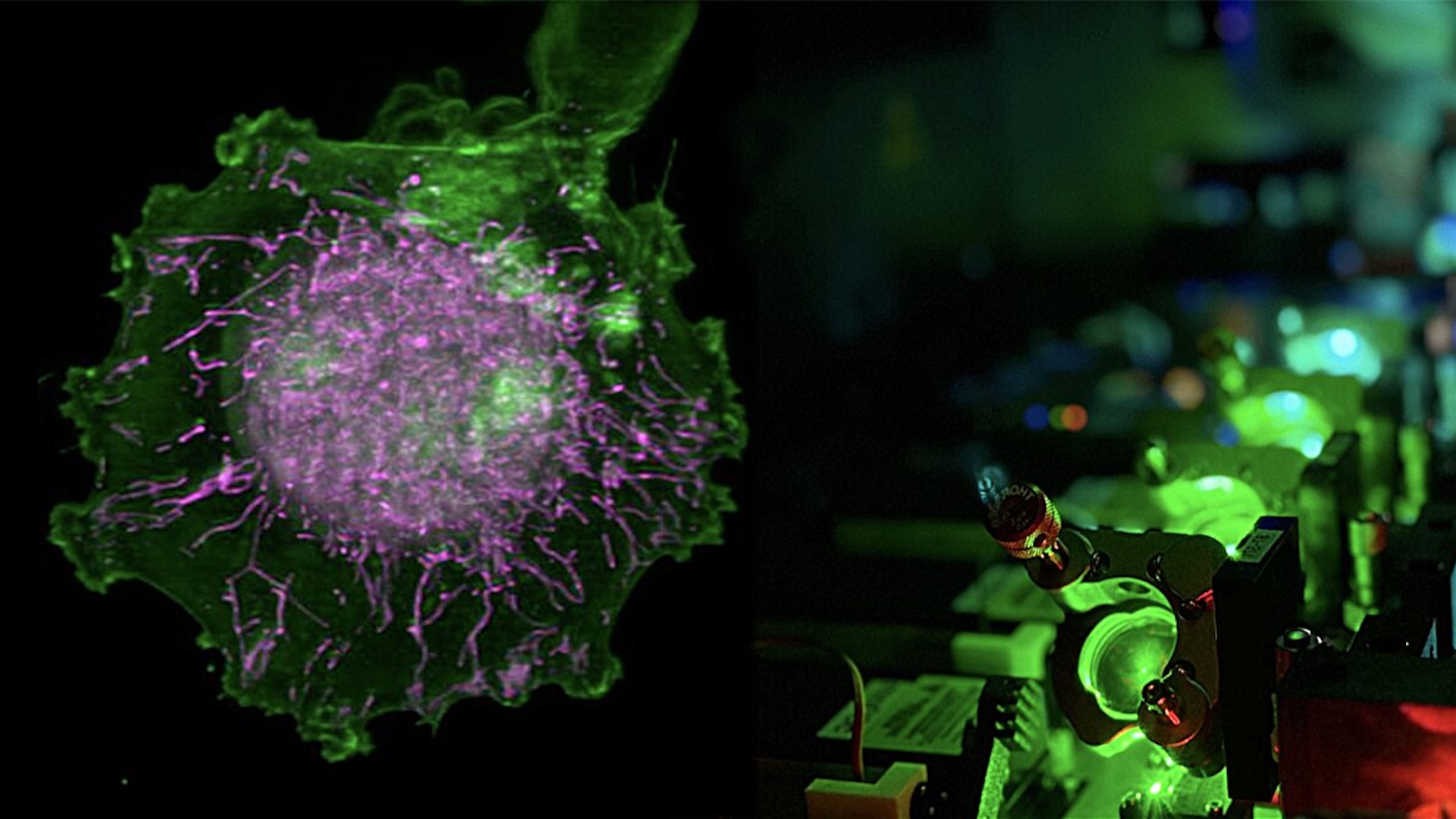
Cal27 is a head and neck cancer line where mitochondrial regulation is an active question,
said Schöneberg. By understanding mitochondrial regulation, we can ultimately find new ways to treat that cancer by using digital twins.
Adaptability Across Unseen Compounds and Cell Types
Using MitoSpace with 4D movies could potentially speed up the discovery of new treatments for disease and reveal new uses for existing drugs. Beyond analyzing known treatments, it also demonstrated adaptability by organizing drugs it had not seen before and by sorting human lung organoid cells by their developmental stage without retraining.

These capabilities suggest that the model could become a general-purpose tool in cell biology. While the research is still in its early stages, focused on identifying promising compounds and understanding what they do inside cells, the findings indicate that 4D modeling can ease some of the most labor-intensive parts of drug screening.
Keep reading
Australia Confirms First Mainland Mammal Death From H5N1 Bird Flu
Australia confirmed its first mainland mammal death from H5N1 bird flu after a long-nosed fur seal tested positive...

Deep Vein Thrombosis: Symptoms, Risks and Prevention Management
Deep vein thrombosis forms blood clots in deep veins, most often in the legs or pelvis, carrying risks...

Alzheimer Trials Face Global Participant Shortage Threatening New Therapies
Research into Alzheimer's disease and other dementias is on the cusp of a potential revolution, yet progress risks...

Severe Mental Illness Linked to 10 to 20 Year Life Expectancy Gap
People with a severe mental illness die 10 to 20 years earlier than the general population, according to...