
Birmingham High Street Pressures Mount Ahead of Autumn Budget
As the UK government prepares to present its budget, independent retailers across Britain face severe financial strain driven by soaring property taxes, escalating operating costs, and intense competition from e-commerce platforms. Surpreet Suri, owner of a four-decade-old photography business on Birmingham’s Kings Heath High Street, illustrates the daily struggle of independent merchants who find themselves working month-to-month while taking home less than the national minimum wage.
The Bottom Line:
- Major grocers and retailers shoulder massive property tax burdens, with Tesco, Sainsbury’s, and Marks & Spencer paying £736 million, £425 million, and about £180 million respectively in business rates during the 2025/26 cycle, according to Bernstein analysts.
- Employment costs have intensified significantly following April 2025 structural shifts where the employer National Insurance pay threshold dropped to £5,000 from £9,100 while the rate increased to 15 percent.
- High street vacancy rates hover near 14 percent across retail units in the UK, reflecting structural shifts toward online shopping, which now accounts for 28 percent of total UK retail sales according to Al Jazeera.
The Burden of Business Rates and Employment Costs
Property-based business taxes continue to squeeze commercial operators across the country. Data outlined by Bernstein analysts demonstrates how commercial property taxes, calculated by applying a multiplier to a property’s assessed rental value, form one of the largest segments of corporate tax bills ahead of profit taxes. Major high street anchors face acute exposure under the current system. The West End of London now hosts 335 stores exceeding the £500,000 rateable value threshold, driving their combined annual rates liability up from £212m to £274m following the implementation of the higher business rates multiplier on April 1 of this year.

Compounding these property tax pressures, labor expenses have surged for retail and hospitality operators. Changes to employer national insurance contributions have added roughly £2.3 billion in annual costs across the retail sector, matching successive increases in the National Living Wage and new regulatory obligations under the Employment Rights Act.
Retail and Hospitality Sectors Face Job Losses
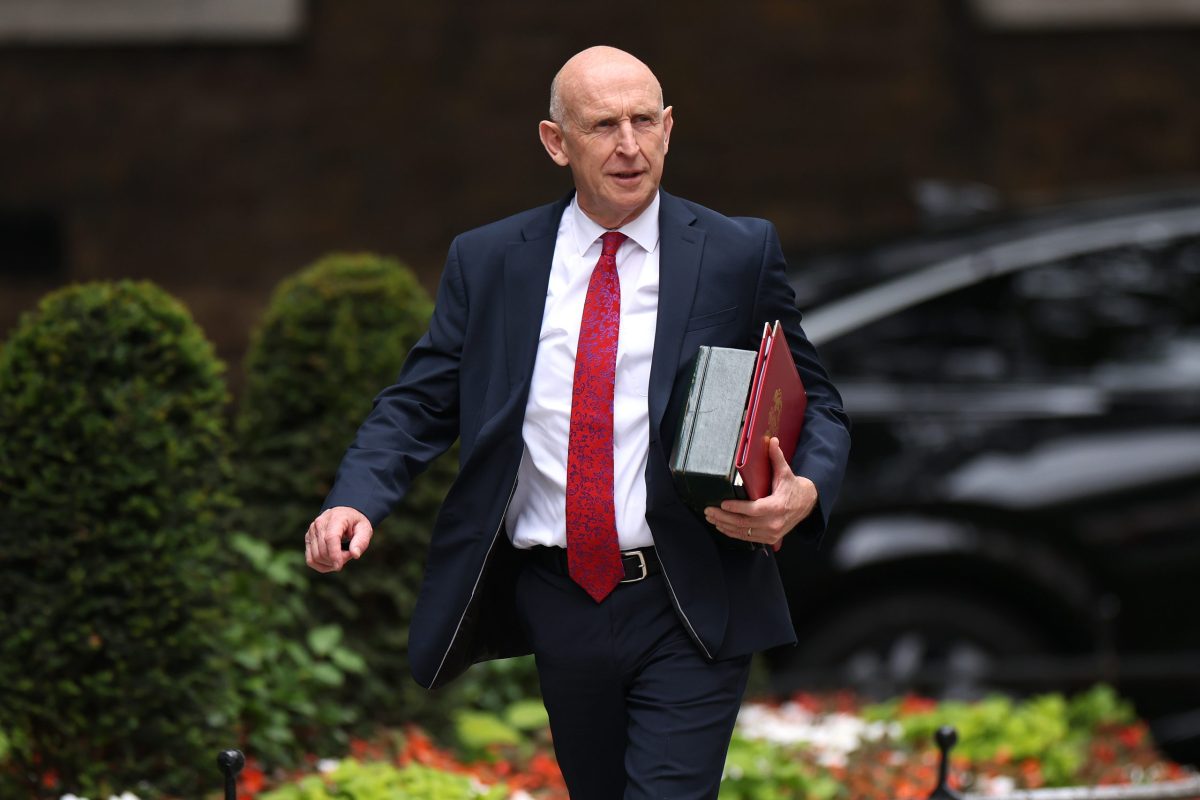
On-the-ground challenges extend far beyond capital city centers. In Solihull, Tony Elvin, centre director at Touchwood Solihull, called for immediate policy action on business rates, employment costs, and hospitality VAT ahead of the budget delivered by Chancellor John Healey, emphasizing that retail and hospitality sectors have historically provided crucial entry-level employment and training for young workers. UKHospitality estimates that approximately 100,000 hospitality jobs were lost following the October 2024 Budget, while British Retail Consortium analysis of Office for National Statistics data shows retail employment sits 122,000 lower than two years ago and 410,000 lower than a decade ago.
For independent proprietors like Suri in Birmingham, these macroeconomic headwinds translate directly into acute operational friction. Specialist supplies, such as professional printer ink refills costing approximately £2,000, eat heavily into shrinking margins while consumers grappling with their own household cost-of-living pressures increasingly demand online price parity for personalized services. Concurrently, high streets experience visible decay, characterized by vacant shopfronts, charity stores, betting shops, and vape outlets replacing traditional independent commerce.
Trade Bodies Propose Business Rate and Tax Reforms
Industry trade bodies have advanced distinct policy proposals to address the deterioration of commercial thoroughfares. The British Retail Consortium advocates freezing the inflation-linked rise in business rates and raising the employer national insurance threshold to £6,000, which would save employers up to £150 annually per covered employee. In parallel, leaders in London’s West End have urged policymakers to freeze the higher multiplier immediately and transition from a slab-based to a slice-based multiplier system to eliminate damaging tax cliff edges.
Disclaimer: The information provided in this article is for educational and market analysis purposes only and does not constitute financial, investment, or legal advice. Always consult with a certified financial professional before making investment decisions.
Arkansas Secures Federal Grant for Special Education and Early Intervention
Arkansas is channeling a fresh influx of federal funding into a hands-on strategy to staff classrooms and therapy...

Sacramento Republic FC Unified Defeats Colorado Switchbacks 3-2
Sacramento Republic FC Unified Clinches Season Finale Victory Against Colorado Switchbacks On a chilly evening at Heart Health...

Fenris Lu arrested for breaking into Maricopa County morgue
"Someone is banging downstairs" “I was in the office, and I heard someone banging on the window trying...

Aaron D. Wrenn of Wasilla Dies at 59 After Battle With Cancer
Aaron D. Wrenn Remembered Following a Life Spanning Southeast Alaska and the Mat-Su Aaron D. Wrenn, who built...