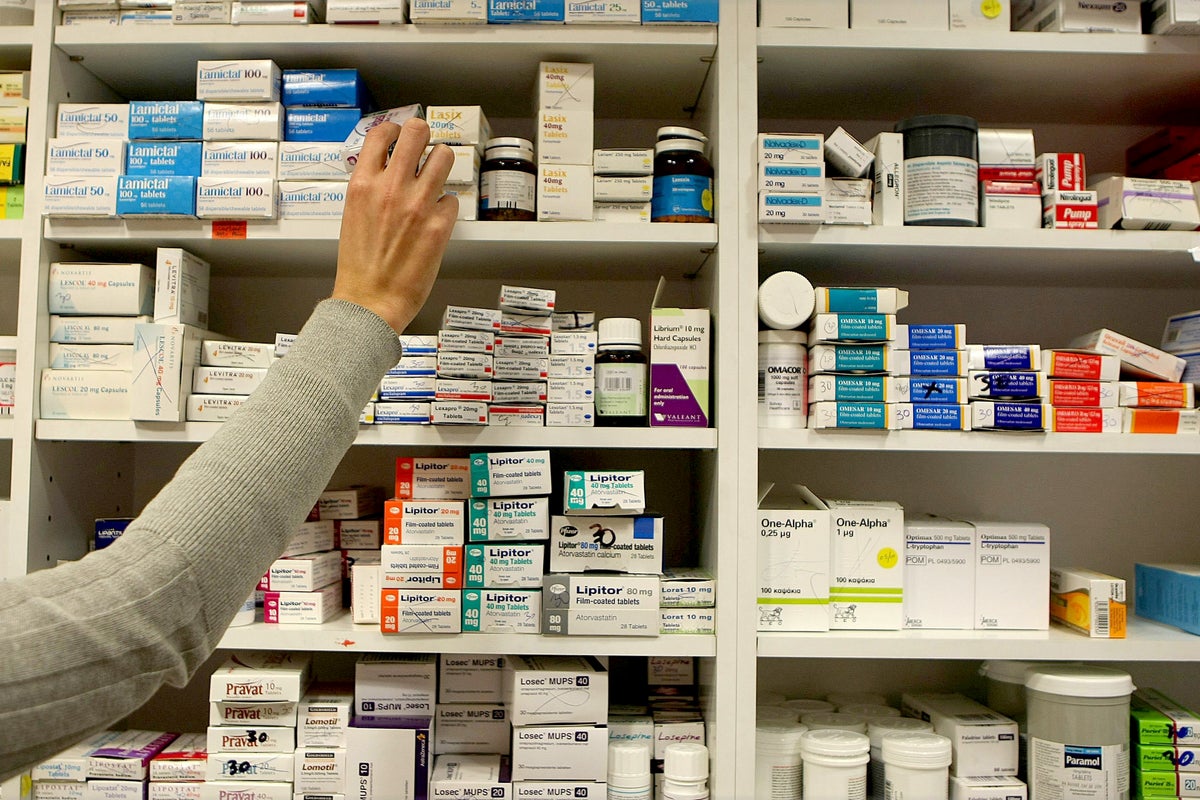
The UK government announced on November 28 that community pharmacists across the country will be allowed to supply a prescribed medicine in a different strength or form when the exact product is out of stock, ending a decades-old requirement to dispense precisely what a doctor ordered.
What changes for patients at the pharmacy
Pharmacists will be able to substitute the same drug in a different strength — for example, two 5mg tablets instead of one 10mg pill — or in a different form such as a capsule rather than a tablet, or a cream instead of an ointment, the Department of Health and Social Care said.
“By allowing pharmacists to supply an appropriate alternative where the prescribed medicine is unavailable, patients will avoid having to go back to their GP for a second prescription and having to make a second journey to their pharmacy,” the Department of Health and Social Care said.
“When you go to the pharmacy to pick up your prescription, there is nothing worse than being told you need to contact your GP again because the exact medicine they've prescribed isn't available at that time, or in that form,” Public health minister Diana Johnson said.
Why the rules are changing now
Medicine shortages have become persistent across the UK, driven by global manufacturing disruptions, active ingredient delays and wholesale distribution bottlenecks, the Department of Health and Social Care said.
Until now, responding to a shortage required the department to issue a formal Serious Shortage Protocol — a process that often took weeks to enact, leaving local pharmacies unable to resolve everyday supply gaps immediately. The new flexibility is designed to let pharmacists act at the point of dispensing without waiting for central authorisation.
What the consultation showed
A UK-wide consultation held between September and December 2025 gathered 335 responses from healthcare professionals, patient groups and clinical bodies, the Department of Health and Social Care said. The department said 92% of respondents agreed or strongly agreed that greater pharmacist flexibility would improve patient care and curb avoidable delays.
Reactions from pharmacy leaders
“This is a sensible move,” said Henry Gregg, chief executive of the National Pharmacy Association. “It is madness to send someone back to their GP to get a prescription changed when a safe alternative is in stock. It risks patients delaying vital medication or missing it altogether.”
Gregg added that shortages are “endemic” and warned the measures “do not fix the underlying causes of shortages,” The Independent reported.
Tase Oputu, president of the Royal Pharmaceutical Society, called the change a welcome step that lets pharmacists use their expertise and professional judgement, Labour Home reported. Healthwatch England said it would help end the “pharmacy bingo” of patients going from pharmacy to pharmacy in search of medicines, the same outlet reported.

How it will be implemented
The reforms will be introduced through statutory amendments to the Human Medicines Regulations 2012, using powers under the Medicines and Medical Devices Act 2021, the Department of Health and Social Care reported. The changes will apply across the UK once approved by the relevant parliaments and assemblies, the BBC reported.
Children’s flu vaccinations added at pharmacies
More than 6,000 high street pharmacies are offering appointments, with bookings opening on Monday through the NHS App or the NHS Find a Pharmacy webpage and appointments available from Tuesday, the department said.
Minister announces rule change amid shortages
A new prescription rule has been officially announced to tackle “deeply alarming” drug shortages in Britain’s pharmacies, with the government allowing pharmacists to swap medicines when supplies run low. The move comes as 23 common drugs face shortages and a common blood pressure medication, Viazem XL, was discontinued this week in two different dosages.
Pharmacy leaders call for further reform
Gregg warned that shortages are “endemic” and the measures do not fix the underlying causes.
What remains unresolved
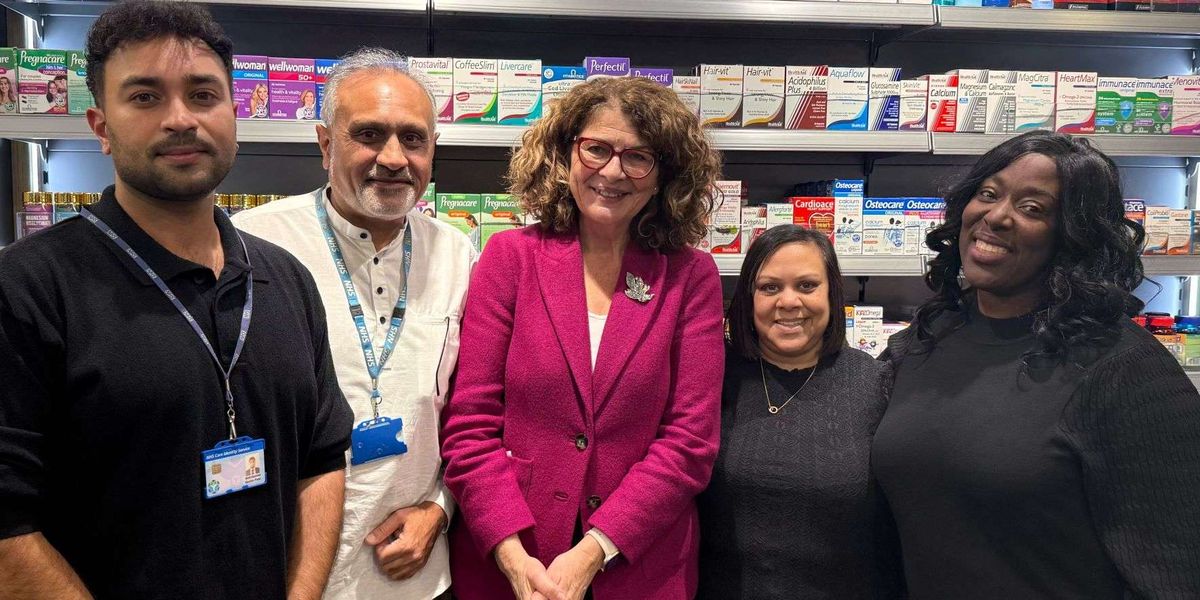
Shilpa Shah, chief executive of the North East London Local Pharmaceutical Committee, raised the financial pressures facing community pharmacies — including rising rents, business rates, staffing costs and the gap between acquisition prices and reimbursement — during the minister’s visit to Lincoln Pharmacy in east London on November 26, North East London LPC reported.
Community Pharmacy England’s director of research and insights, James Davies, noted the measures do not resolve systemic shortages or address restrictions on branded generic substitution, Community Pharmacy England reported.
Contractors have also called for electronic endorsement systems that work without hiccups to prevent dispensing reimbursement disputes, Pharmacy Business highlighted.
The department said it would also address potential effects on medicine supply chains and conflicts of interest, Demokratis.co.id reported.
Worth a look

Experts and Activists Urge Deferral of 132nd Constitution Amendment and Delimitation Bills for Public Consultation
A group of 34 former civil servants, constitutional experts and civil society activists has demanded the government defer...

Chronic Loneliness Linked to 38% Higher Dementia Risk, Occasional Loneliness Not
A French study published this month found that chronic loneliness — not occasional loneliness — was linked to...

US Proposes 18% Tariff on Indonesia, Lower Than Rivals Vietnam and Singapore
The United States has proposed an 18% tariff on a range of Indonesian goods, a move that comes...

Guangxi Cave Teeth Reveal Denisovans, Unresolved Archaic Homo, Study Finds
A study published Wednesday in Nature identifies two distinct archaic human lineages in southern China around 100,000 years...