
The United States has proposed an 18% tariff on a range of Indonesian goods, a move that comes despite Indonesia securing a lower rate than some of its regional competitors.
The proposal, stemming from a U.S. investigation into “structural excess capacity,” is not yet final and will be subject to public comment and hearings next year.
The Office of the United States Trade Representative (USTR) announced the preliminary tariff on November 25, targeting Indonesian products deemed to be produced in quantities far exceeding market demand. Indonesia is not alone in facing this specific rate; Bangladesh, Cambodia, Malaysia, and Thailand are also threatened with an 18% tariff, according to Indonesia Investments.
A Comparative Tariff Landscape
The tariff threat, however, is less severe for Indonesia than for several key rivals. Vietnam faces a much higher proposed tariff of 35%, while Singapore is threatened with 20%, Indonesia Investments reported. This differential has led Indonesian officials to view the proposal as a potential strategic advantage.
“The significant tariff differential compared with the competing countries provides a comparative advantage, as well as a strategic opportunity for the national manufacturing industry,” said Haryo Limanseto, a spokesperson for the Coordinating Ministry for Economic Affairs, as quoted by ANTARA News.
A History of Tariff Negotiations
The 18% figure represents the latest twist in a long-running trade dispute. In April 2025, President Trump initially threatened a 32% tariff on Indonesian goods. Indonesia responded by signing the Agreement on Reciprocal Trade (ART) in February 2026, which lowered the threatened rate to 19%, according to Indonesia Investments.

The situation grew more complex when the U.S. Supreme Court invalidated Trump’s tariffs. The president then imposed a 10% tariff on all countries under a different provision, a rate lower than what Indonesia had negotiated. An additional 10% tariff on Indonesian goods related to forced labor products has been in effect since July. The new 18% proposal would be layered on top of the initial 10% tariff.
Indonesia Seeks Market Expansion
Industry Minister Muhammad Sarmuji announced on Thursday that the government is pushing to expand export markets to reduce reliance on the U.S.
“While other countries may choose to impose tariffs—and we must certainly prepare for such measures—we must also actively seek out new markets that are open to Indonesia,” the minister said during a working visit in Cikarang, West Java.
Indonesian Officials Express Confidence in Tariff Outcome
The Indonesian government is responding with a combination of optimism, diplomatic engagement, and market diversification. Officials are confident that the 18% rate aligns with the terms of their February trade agreement and is a manageable outcome.
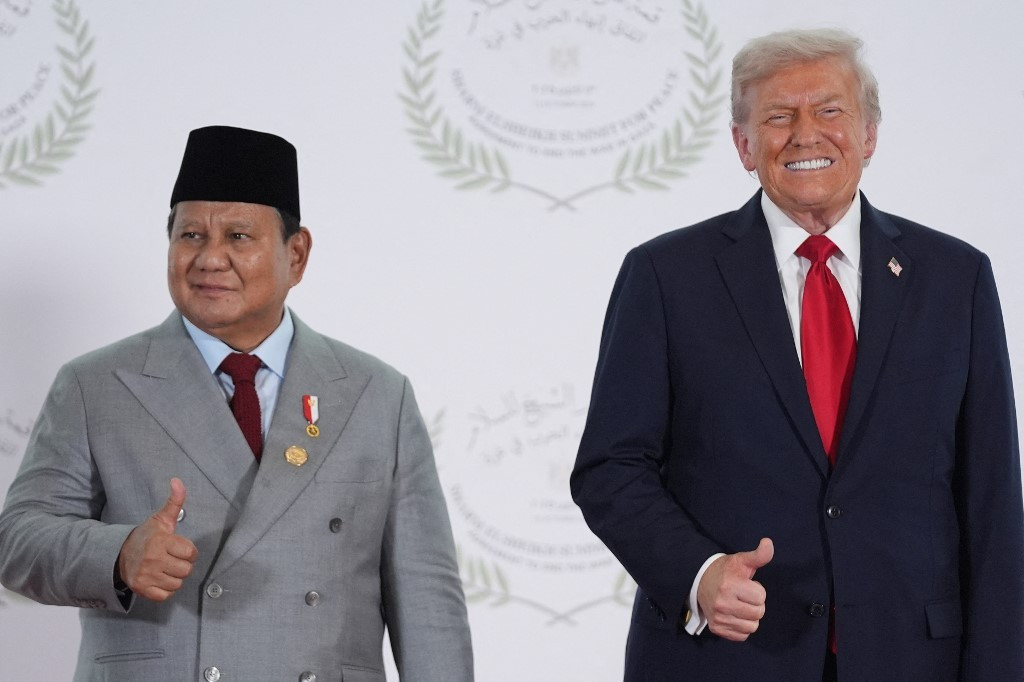
“The [current] 18% duty already aligns with our trade agreement signed in February,” said Airlangga Hartarto, Indonesia’s chief negotiator and senior minister, in a statement reported by the Jakarta Globe. “Indonesia is among the countries whose negotiations are complete.”
Industry Minister Muhammad Sarmuji announced on Thursday that the government is pushing to expand export markets to reduce reliance on the U.S. He highlighted the recent Indonesia-European Union Comprehensive Economic Partnership Agreement (IEU-CEPA) as a key driver for new market access, along with fast-growing economies like China and India.
The government is also considering subsidies and lower import duties on raw materials to help manufacturers absorb the tariff’s impact, Indonesia Business Post reported.
“The U.S. has given Indonesia time until January 2027 for public hearings where Jakarta can make their argument,” the Jakarta Globe said. The Ministry of Foreign Affairs is coordinating with relevant agencies and will emphasize constructive dialogue with the United States government, spokesperson Vahd Nabyl A. Mulachela told ANTARA News.
The proposed tariffs could impact several labor-intensive sectors with high export exposure to the U.S., including textiles, footwear, and furniture. Indonesia’s textile and textile products industry employed about 3.8 million people in 2025, while the footwear industry employed about 600,000.
The USTR has opened a window for written comments until January 5, 2027, and scheduled public hearings to begin on January 25, 2027. Indonesia, as of November 27, had not announced retaliatory tariffs, instead pursuing bilateral negotiations and seeking to help factories diversify their markets.
Worth a look

Chronic Loneliness Linked to 38% Higher Dementia Risk, Occasional Loneliness Not
A French study published this month found that chronic loneliness — not occasional loneliness — was linked to...
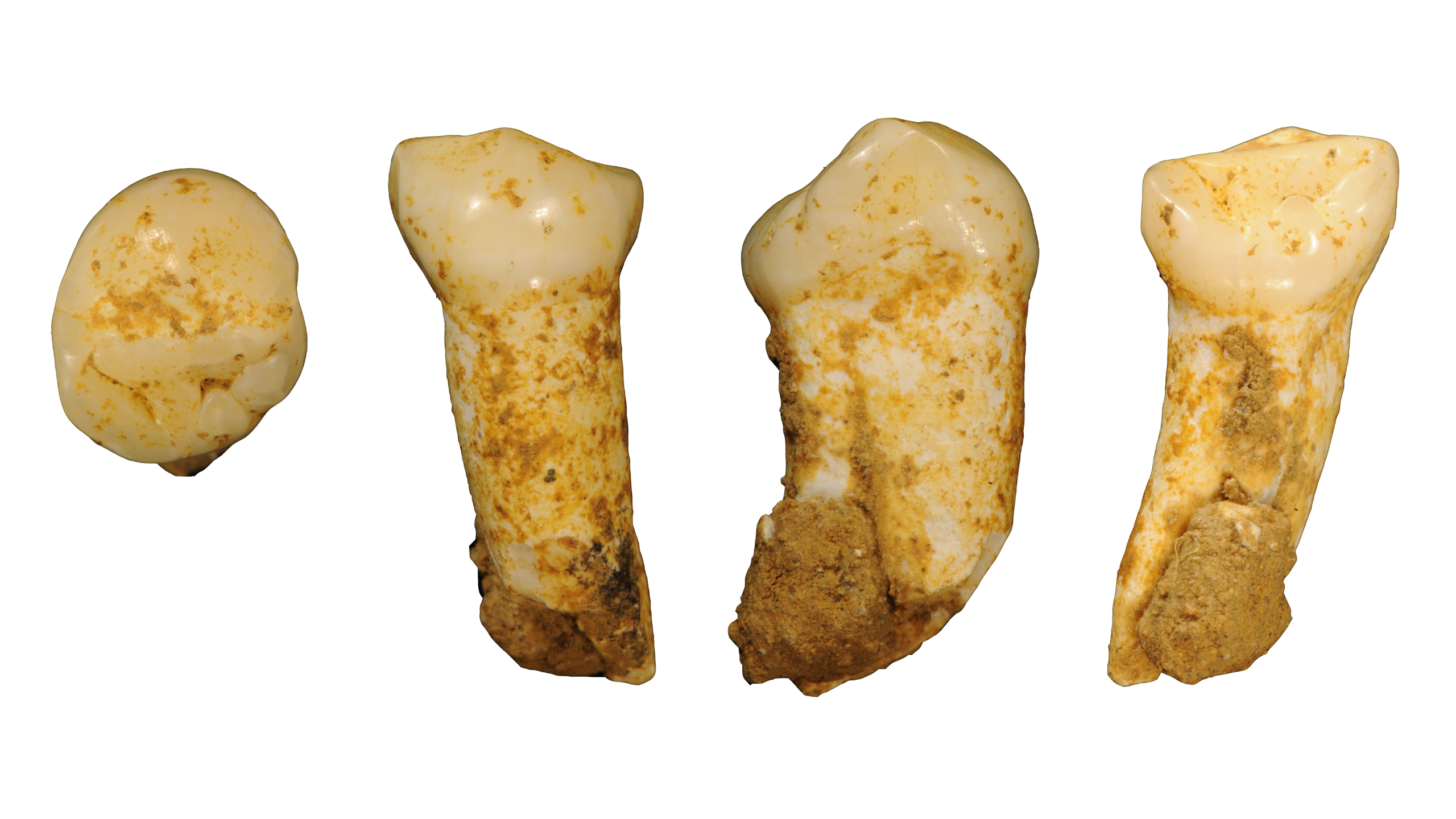
Guangxi Cave Teeth Reveal Denisovans, Unresolved Archaic Homo, Study Finds
A study published Wednesday in Nature identifies two distinct archaic human lineages in southern China around 100,000 years...

Kris Aquino Returns to Hosting at Malacañang Palace Christmas Celebration with Bimby
Kris Aquino, the Queen of All Media, returned to hosting on Saturday night, Nov. 28, at Malacañang Palace,...

HIV Advocate Kim Canady Demands Leadership Roles, Not Token Compensation
In a column for Forbes, sexuality educator and HIV advocate Kim Canady argues that healthcare, philanthropic, and corporate...