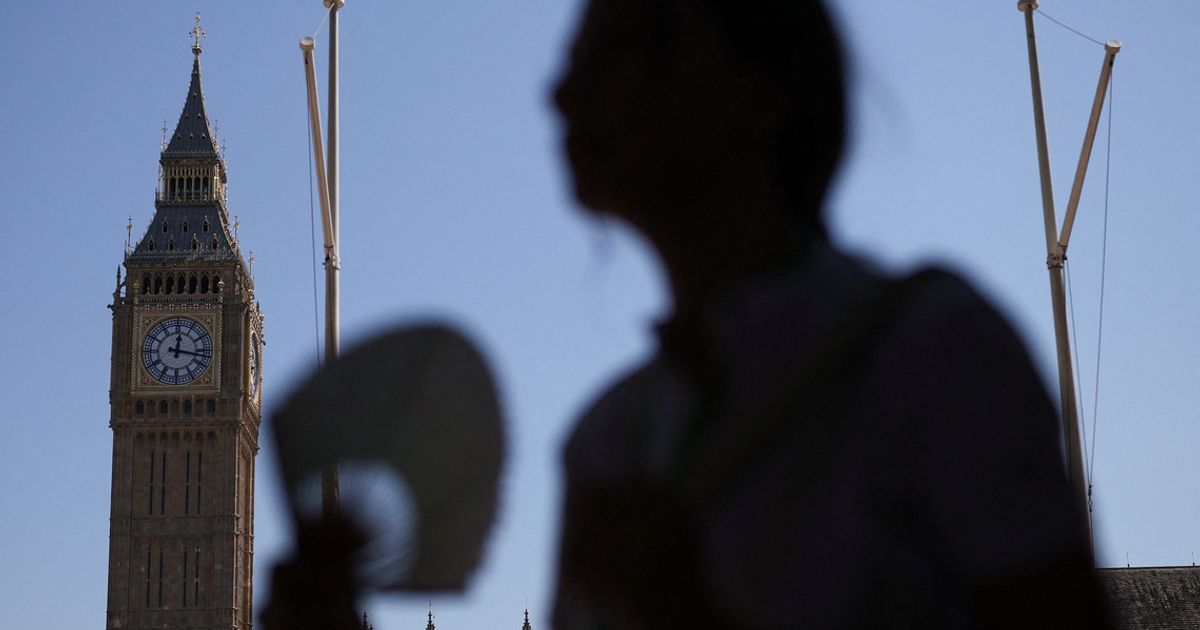
England recorded 5,258 heat‑linked deaths from May through September 2026, the highest annual total since the UK Health Security Agency began monitoring in 2016.
- Deaths nearly double the previous record of 2,985 set in 2022.
- Seven heat episodes lasted 41 days — the most on record.
- The deadliest week was 21–28 June, with 2,401 estimated deaths.
- Health Secretary Yvette Cooper said the NHS must prepare for summer as seriously as winter.
The UKHSA released provisional figures on Tuesday, 24 November, calling summer 2026 “exceptional” and saying the mortality impact “exceeds that observed in any previous annual heat‑associated mortality estimate” the agency said. Annual totals were 2,295 in 2023, 1,311 in 2024 and 1,504 in 2025.
Seven heat episodes span 41 days of extreme temperatures
The summer produced seven distinct heat episodes — periods when the Central England Temperature reached at least 20 °C — spanning a combined 41 days, the highest count since monitoring began, The Guardian reported. The first episode arrived in late May, when Kew Gardens hit 35.1 °C, an all‑time May record.
A second wave in late June triggered only the second red heat‑health alert ever issued in England, with Lingwood, Norfolk reaching 38.0 °C on 26 June. A mid‑August spell pushed Hartpury College in Gloucestershire to 38.2 °C, the hottest day of the year.

More than 3,000 heat‑associated deaths were recorded across the May and June episodes alone, the agency said, showing the particular danger of early‑season heat when people and services are less prepared. The deadliest single period was 21–28 June, accounting for an estimated 2,401 deaths.
Record dry July triggers drought and wildfires
England experienced its driest July since records began, with just 7 mm of rain — 10 per cent of the long‑term average, The Independent reported. Drought was declared across all of Wales and more than two‑thirds of England, and wildfires caused significant damage in several regions.
The combination of sustained heat and parched ground amplified health risks, particularly for older adults, young children, pregnant women and those with cardiovascular or respiratory conditions.
Government response: prepare for summer like winter
Health Secretary Yvette Cooper told the Commons she wanted “to offer the deepest condolences to all those who lost a loved one this summer” and called the figures “a stark reminder of the human impact of climate change”, BBC News reported. She said she had asked the NHS “to now prepare for summer as seriously as we do for winter”.
Dr Ross Thompson, UKHSA’s principal environmental health scientist, warned that “Climate change is already affecting people’s health in England, and as the climate continues to warm we can expect periods of extreme heat to become longer, more frequent and more intense” the agency quoted him.

He said preparation must extend “not just during a heatwave but in the longer term. The decisions we make now will shape the health impacts people experience in the decades ahead.”
Greenpeace calls toll a policy choice
Maja Darlington described the deaths as “not a freak accident – it’s a policy choice”, arguing that “As long as politicians keep allowing fossil fuel companies to get off scot‑free and failing to heat‑proof our schools, hospitals and care homes, tragedies like this will keep happening”, The Guardian reported.
Previous temperature records broken in June and August
The previous June high of 35.6 °C, set in 1957 and matched during the 1976 heatwave, was surpassed this year, DesiBlitz and Firstpost reported. In August, a peak of 38.2 °C was recorded at Hartpury College in Gloucestershire, making it the hottest day of the year, The Guardian noted.
European heat toll and long‑term warnings
Ross Thompson, principal environmental health scientist at UKHSA, said the decisions made now will affect the health risks people face for decades to come, 联合早报 reported. Andy Burnham spoke at the COP31 summit earlier this month, describing the extreme weather experienced in the UK this summer as “not normal”, DesiBlitz and Channels Television noted.
Europe‑wide toll and the 2027 outlook
Germany recorded an estimated 16,300 heat‑related deaths and Spain more than 5,000 this summer, Channels Television reported. Researchers from Imperial College London and the London School of Hygiene and Tropical Medicine estimated over 50,000 heat deaths across urban areas in 30 European countries, the highest since 2000, The Straits Times reported.

Britain’s national weather agency has predicted that the El Nino weather pattern could make 2027 the hottest year globally, and The Lancet last month urged that climate change be declared a “global health emergency”.
The UKHSA figures remain provisional; final numbers will appear in the official statistics report due early 2027.
Worth a look

Satellite Imagery Shows China’s 60 GW Medog Dam Advances to River Diversion Stage Near Arunachal Border
Satellite analysis by an Indian geospatial firm shows China has moved from site clearance to river diversion works...

US Loses Measles Elimination Status, Cases Near 6,000, Deaths Hit 14, Ars Technica Reports
The United States lost its measles-elimination status last week after the virus circulated uninterrupted for 12 months, a...

Porsche 718 Boxster EV Prototype Hits 100 km/h in Under 3.0 Seconds
Porsche let journalists drive the production-ready 718 Boxster EV prototype this week at the Porsche Experience Center in...

Indonesia Secures $86.8 Billion in Investment Commitments During Prabowo’s China Visit, Launches CEPA Talks
Indonesia secured $86.8 billion in investment commitments and potential economic deals during President Prabowo Subianto's visit to China...