Maine’s arts and cultural nonprofits support 7,333 jobs across the state, according to a new study from the University of Maine. The research, led by economist Todd Gabe, reveals that these organizations—ranging from the Portland Museum of Art to tiny rural libraries—generate $660 million in total economic output and contribute $226 million in labor income to the state’s economy.
This isn’t just about the prestige of a gallery opening or the allure of a theater performance. It is a matter of systemic economic stability. By analyzing IRS non-profit records for 1,424 organizations, Gabe found that these entities directly employ 5,650 workers and pump $322 million in direct annual output into Maine. When you add in the “ripple effect”—the money these nonprofits spend on utilities, repairs, and professional services, combined with how their employees spend their paychecks—the financial footprint expands significantly.
Maine ranks third in the U.S. for cultural nonprofits
The sheer density of these institutions is startling. Maine possesses the third-highest concentration of arts and cultural nonprofits per capita in the entire United States, trailing only Washington, D.C., and Vermont. With 103 such organizations for every 100,000 residents, the state has carved out a unique identity as a cultural hub.
The data shows a specific preference for heritage and literacy. Maine ranks second in the nation for libraries per capita and third for nonprofit museums, theaters, and historical preservation societies. While Gabe notes that this is partly a regional New England trend regarding historical preservation, it also reflects a deep-seated local commitment to maintaining these institutions.
| Economic Metric | Direct Impact | Total Impact (Inc. Indirect/Induced) |
|---|---|---|
| Jobs Supported | 5,650 | 7,333 |
| Economic Output | $322 Million | $660 Million |
| Labor Income | $125 Million | $226 Million |
The catalyst for downtown revitalization
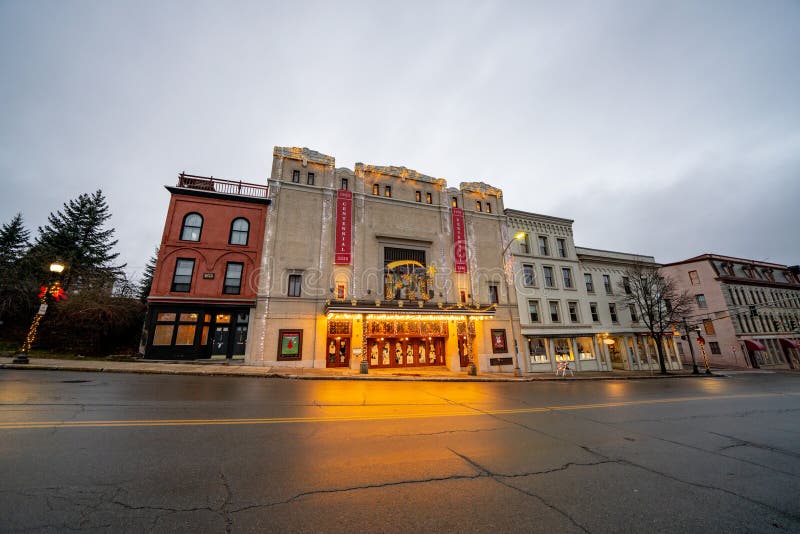
For many Maine towns, a cultural nonprofit isn’t just a place to view art; it’s an anchor tenant that saves a dying main street. Mollie Cashwell, Director of the Cultural Alliance of Maine, points to the 2000s revitalization of downtown Bangor as a prime example. The presence of the Penobscot Theatre Company and the Maine Discovery Museum created a surge in foot traffic that allowed surrounding businesses to open and thrive.
“Beyond the impacts of direct spending professor Gabe measured, we know of workers in healthcare and other high-demand industries who have accepted jobs here because of the arts and culture offerings we have,” Cashwell said.
This highlights a critical “quality of life” variable that doesn’t always show up on a balance sheet but dictates where high-earning professionals choose to live. When a city feels culturally vibrant, it becomes a magnet for talent in other sectors, creating a symbiotic relationship between the arts and the broader professional economy.
Mapping the gaps from coast to interior
The current findings provide a statewide snapshot, but the economic reality varies wildly depending on the zip code. A museum in Portland operates in a different economic ecosystem than a historical society in Aroostook County.
Gabe, who has studied Maine’s creative economy since the early 2000s when Gov. John Baldacci explored how it could be incorporated into the state’s economic development strategy, is now moving toward a more granular analysis. His next goal is to map these contributions at the county level across the U.S., covering over 3,100 counties.
This shift in focus will likely reveal the stark differences between coastal wealth and inland struggle.
Related reading

Canadian Man Sentenced in $13M Crypto Support Scam
Trenton Johnston, a 20-year-old Canadian involved in a cryptocurrency laundering scheme that drained more than $13 million from...

Manchester City to rotate squad for Carabao Cup match vs Brighton
Manchester City will face Brighton & Hove Albion at the Etihad Stadium on Wednesday, October 28, for the...

Vote Now: Nevada Preps Girls Athlete of the Week Nominees
Four standout high school athletes are vying for the title of Nevada Preps girls Athlete of the Week...
Mizzou Women’s Basketball Hosts Lincoln in Preseason Exhibition
Mizzou women’s basketball will host Lincoln for a preseason exhibition this Thursday at 6:30 p.m. at Mizzou Arena,...