
Fifteen men have been charged in a massive drug trafficking operation that funneled methamphetamine and a dangerous sedative into Washington, D.C., and several major East Coast cities. U.S. Attorney Jeanine Pirro announced Wednesday that the network brought meth from California and imported gamma-butyrolactone (GBL) from South Korea, distributing the substances across D.C., Baltimore, Philadelphia, and New York City.
This isn’t just a story about volume; it’s about a specific, lethal chemistry. The organization marketed a combination of meth and GBL as "sexchem," a party drug cocktail that uses the stimulant effects of methamphetamine to offset the sedative properties of GBL. While the profit margins were high, the human cost is staggering. GBL, often referred to as “liquid ecstasy,” converts into GHB once it enters the human body. In the wrong dose, it can trigger seizures, comas, or death, and it has a long, dark history of association with date rape due to its ability to induce unconsciousness.
Federal Authorities Seize Bulk Narcotics from South Korean Supply Chain
The scale of the seizure reveals an operation that was functioning as a wholesale hub for the East Coast. According to the charges, the network didn’t just rely on street-level deals but utilized a sophisticated infrastructure to move bulk quantities of narcotics. Federal authorities seized more than 190 pounds of methamphetamine, over 125 pounds of ketamine, and a massive 1,760 pounds of GBL within the United States.
To keep the operation under the radar, the group employed a blend of old-school and new-age evasion tactics. Court documents show the traffickers used encrypted messaging apps to coordinate drops, established shell companies to mask the movement of money, and relied on the U.S. mail system to distribute the drugs anonymously.
“This organization peddled a deadly combination of meth and GBL, putting lives at risk for profit,” U.S. Attorney Jeanine Pirro stated. “They used encrypted apps, shell companies, and the U.S. mail to hide their operation. It didn’t work.”
The Reach and the Risk
The timeline suggests a persistent, growing threat. The trafficking network has been active since at least November 2022. While the current charges focus on the D.C. and East Coast corridor, the group had ambitions for a national footprint. Prosecutors say the organization was actively seeking to expand its distribution networks into Florida, Southern California, and Chicago.
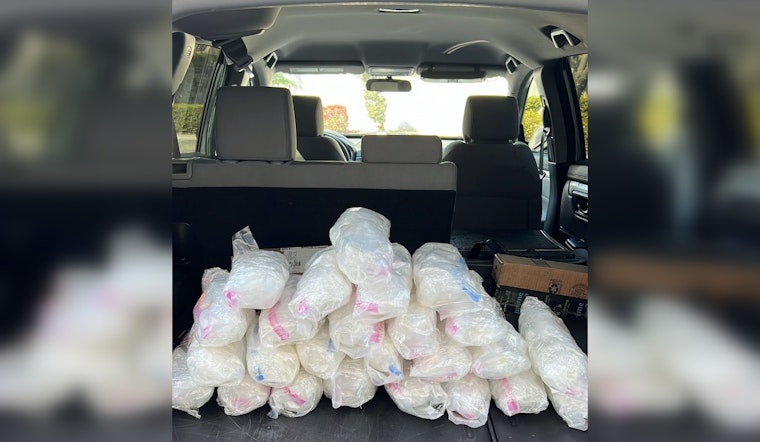
The “so what” of this case lies in the specific demographics targeted by “sexchem.” By blending a powerful upper with a powerful downer, the traffickers created a product that is not only physically dangerous but highly addictive.
The Legal Stakes
The crackdown happened in two waves. Eleven suspects were apprehended in April and May, followed by four more arrests on Tuesday during coordinated raids across D.C. and Pennsylvania.
Fifteen defendants are charged in a twelve-count superseding indictment unsealed today in U.S. District Court in connection with a sprawling, transnational drug trafficking organization that imported massive quantities of methamphetamine from California and gamma-butyrolactone… pic.twitter.com/0ETqTerPOe
| Drug Seized | Quantity (U.S. Only) |
|---|---|
| Gamma-butyrolactone (GBL) | 1,760+ lbs |
| Methamphetamine | 190+ lbs |
| Ketamine | 125+ lbs |
The legal consequences for those involved are severe. All 15 defendants are facing mandatory minimum sentences of 10 years, with the possibility of life in prison if convicted.
While the primary network has been dismantled, a lingering question remains: who were the buyers? The seizure of 1.5 metric tons of GBL in South Korea and nearly 2,000 pounds in the U.S. indicates a massive, untapped demand for these specific chemicals. The arrests stop the shipments, but they don’t erase the market.

Worth a look
New book by Anand Giridharadas reexamines Jordan Neely’s killing
When Daniel Penny stepped onto a New York City subway car and placed Jordan Neely in a fatal...

Raa’jiem Coleman and Marcel Perry convicted in Shanita Thomas death
"No verdict, no sentence, and no amount of justice could bring her back." Those words, shared by a...
John Christopher Ortega Obituary (1973-2026): Las Vegas, NM Funeral Services
Remembering John Christopher Ortega John Christopher Ortega, a musician, devoted father, and familiar presence in both Las Vegas...
Canadian Man Sentenced in $13M Crypto Support Scam
Trenton Johnston, a 20-year-old Canadian involved in a cryptocurrency laundering scheme that drained more than $13 million from...