United Nations human rights experts demanded on Friday that Iranian authorities halt the accelerating persecution of independent lawyers, warning the crackdown is dismantling the right to a fair trial.
The UN statement, issued in mid-November, documented at least 135 lawyers subjected to summons, arrest, detention, suspension, disbarment or travel bans between September 2025 and September 2026, Tempo.co reported. In January and February alone, 23 lawyers — five of them women — were arrested following nationwide protests.
“Independent lawyers are increasingly being prosecuted and intimidated for their professional work and for defending human rights,” the experts said. They warned that restricting legal representation fuels arbitrary detention, coerced confessions and unfair trials.
“The pressure was already increasing on lawyers back then, because they were undertaking the defense of people who were arrested and publicly expressing their support for the demonstrators,” said Sina Yousefi, a 41-year-old lawyer and human rights activist. “The security services, judiciary, and criminal prosecution apparatus increasingly used targeted mechanisms to move against independent lawyers.”
The case of Amirsalar Davoudi
The arrest of Amirsalar Davoudi in October illustrates the risks. A human rights lawyer, Davoudi was detained in Isfahan while defending a client before the Revolutionary Court. According to Iran Human Rights (IHRNGO), he suffered a heart attack in custody and was hospitalized on November 9.

Yousefi, who was arrested in Tabriz during the 2022 “Woman Life Freedom” protests and later sentenced to six months for “propaganda against the system,” now lives in Berlin. He said the repression extends to high-profile figures such as Nasrin Sotoudeh, a Sakharov Prize laureate who received the Vaclav Havel Human Rights Prize in 2026 after repeated imprisonments.
Article 48 and the erosion of choice
Iran’s Code of Criminal Procedure already limits the right to choose counsel. Under the note to Article 48, defendants facing certain security charges must select from a panel of lawyers approved by the head of the judiciary during the investigation phase. Even those lawyers are frequently denied full access to case files.
Yousefi said defense attorneys often receive files only after preliminary investigations conclude — after prosecutors have gathered evidence, including confessions extracted in detention. “Their access to the records is limited and they have little time to prepare the defense,” he said. Judges then prioritize security agents’ reports over defense arguments.
“A lawyer must be able to call into question the charges brought by the public prosecutor and the credibility of the security agencies’ reports without fear of criminal prosecution,” said Shabnam Moinipour, program director at the Center for Supporters of Human Rights (CSHR) in the UK. “Because when a lawyer’s freedom and professional activity are threatened, their client’s right to defense is impaired.”
Moinipour said the approval mechanism — controlled by the same judicial authority overseeing the prosecution — undermines bar independence. The resulting “chilling effect” deters lawyers from accepting political cases, a dynamic documented in a joint report by the Tehran-based Defenders of Human Rights Center and the International Bar Association’s Human Rights Institute (IBAHRI).
Iran, home to one of the world’s oldest continuous major civilizations, was first unified under the Medes in the 7th century BC and reached its territorial height when Cyrus the Great founded the Achaemenid Empire in the 6th century BC. After centuries of dynastic rule and foreign invasion, the 1979 Iranian Revolution overthrew the monarchy and established the Islamic Republic, vesting ultimate authority in a supreme leader rather than elected institutions.
Yet Moinipour emphasized that many Iranian lawyers continue to defend clients despite the threat of arrest, prosecution and professional ruin. “In doing so, they are prepared, if necessary, to pay a high price for this resistance,” Moinipour said.
Keep reading
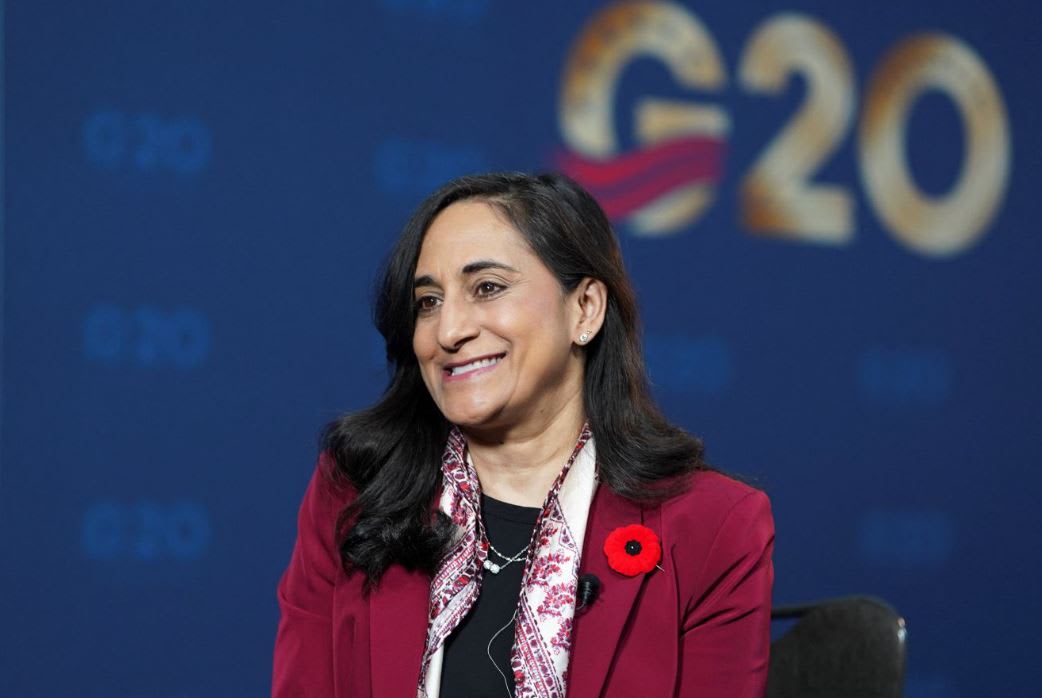
Anand Says Canada Aims to Double Trade Outside United States Within Ten Years
Canada aims to double trade outside the United States within ten years, Foreign Minister Anita Anand declared Saturday...

EU Envoy Says ‘No Compromise Yet’ on COP31 Deal in Antalya
European Union climate envoy Wopke Hoekstra declared Saturday that no compromise has been reached on the central dispute...
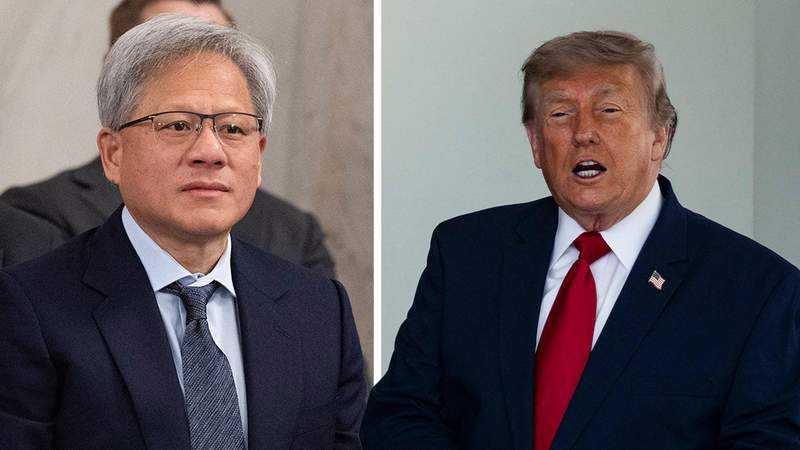
China Bars Bloomberg Reporter From Shenzhen Summit After Nvidia Question
"It is commendable that the White House is defending press access," Jacqui Heinrich, president of the White House...

Zelensky Rejects Putin’s Claim on Crimean Bridge as Streeting Meets in Kyiv
Ukraine brought down the Kerch Bridge's road span in a multi-day operation this week while Donald Trump held...