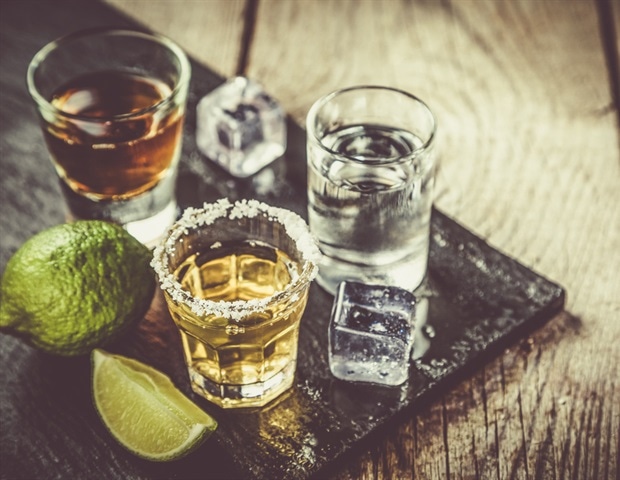
UNC researchers found a human-equivalent dosage of three to six daily drinks cut immunotherapy efficacy roughly 50% in mice.
For patients navigating the complexities of cancer treatment, the advice to avoid alcohol often feels like a standard, cautionary footnote.
However, new research suggests that this recommendation may be far more critical to the success of life-saving therapies than previously understood. According to a study published on Tuesday in Science Signaling, regular alcohol consumption significantly impairs the effectiveness of immune checkpoint inhibition, a common form of cancer immunotherapy.
The research, led by Kristen N. Gilley and colleagues at the University of North Carolina at Chapel Hill, offers a molecular explanation for why some patients struggle to respond to treatments that are theoretically designed to turn their own immune systems against tumor cells.
By analyzing both mouse models and a retrospective cohort of human patients, the team identified that alcohol consumption creates a biological environment where the immune system struggles to identify and destroy cancer, effectively blunting the power of anti-PD-1 antibody therapies.
The Molecular Tug-of-War
To understand the biological cost of drinking during treatment, the researchers at the Bowles Center for Alcohol Studies subjected mice with lung and bladder cancers to a regimen of moderate-to-heavy ethanol intake. The dosage, which the researchers noted was equivalent to three to six drinks per day for a human, resulted in a roughly 50% reduction in the efficacy of the immunotherapy.
The study, which can be viewed in full at this link to the primary research, illustrates that alcohol does not just weaken the body generally; it actively changes the behavior of immune cells within the tumor microenvironment.
Specifically, the alcohol intake suppressed the activity of tumor-infiltrating and memory T cells, which are the immune system’s frontline fighters. Instead of mounting a strong attack, the immune environment shifted to favor T cells expressing an immune-suppressing receptor known as TIGIT.
This shift acts as a biological brake, preventing the immunotherapy from doing its job. The researchers said that when they blocked this TIGIT receptor with targeted antibodies in the rodents, they were able to restore the efficacy of the anti-PD-1 treatments.
This finding is particularly relevant given how common alcohol use remains among cancer patients. As News-Medical reported, despite clinical guidance to abstain, recent studies indicate that as many as 76.4% of patients continue to consume alcohol while undergoing treatment. This high prevalence has prompted medical societies to call for deeper investigation into how lifestyle factors directly influence treatment outcomes.
Data from the Clinic
The research team extended their findings beyond the laboratory by examining a retrospective cohort of patients with skin, lung, bladder, or head and neck cancers. They discovered that individuals who self-reported consuming eight or more drinks per week experienced poorer survival rates after beginning immune checkpoint inhibition.
While the link was most definitive in lung cancer patients, the researchers said that data for other cancer types was more limited, highlighting a broader need for better record-keeping in oncology.
“This work is an initial resource toward establishing the risk of regular alcohol use on the efficacy of immune checkpoint inhibition and identifying the mechanisms that might be targeted for intervention.”
wrote Gilley and her co-authors in the study published in Science Signaling. The team suggested that if clinicians began incorporating patient alcohol use into standardized cancer databases, it could provide the necessary evidence to understand whether these negative impacts extend to other types of cancer therapies beyond the ones tested here.
The Path Forward for Treatment
The study also points toward potential therapeutic interventions. By identifying that SREBP-mediated lipid signaling is induced in tumor-associated T cells by ethanol, the researchers found that inhibiting this signaling—or targeting TIGIT—could help rescue the immune system’s ability to fight off tumors in heavy-drinking models. However, these are early-stage findings in rodents, and translating them into human clinical practice remains a hurdle for future research.
For now, the findings raise a challenging question for oncologists and patients alike: how to better integrate lifestyle management into the high-stakes world of immunotherapy. While the mechanism of how alcohol suppresses anti-tumor immunity is now clearer, it is unclear whether clinical guidelines will shift to more aggressive screening for alcohol use or if new combination therapies will be designed to mitigate these specific immune-suppressing effects.
The researchers have provided a framework for understanding the risk, but the exact impact on the broader landscape of cancer care remains a subject of ongoing investigation.
Related reading

GTA VI Release Spurs Spike in Time-off Requests, Observers Fear Absenteeism
Millions of players are preparing for the release of Grand Theft Auto VI on Thursday, November 19, a...

Hakeem Jeffries Wins Democratic Nomination for House Speaker
Representative Hakeem Jeffries of New York won his party’s nomination for speaker of the House on Wednesday, clearing...
Higher Blood BCAA Levels Linked to Lower Parkinson’s Risk Years Before Diagnosis
A massive analysis of UK Biobank data published this month links higher blood levels of branched-chain amino acids...

Senior Minister Shanmugam Visits Family of Couple Killed in Tampines Crash
Senior Minister K. Shanmugam visited the family of a young couple killed in a Tampines crash on Oct....