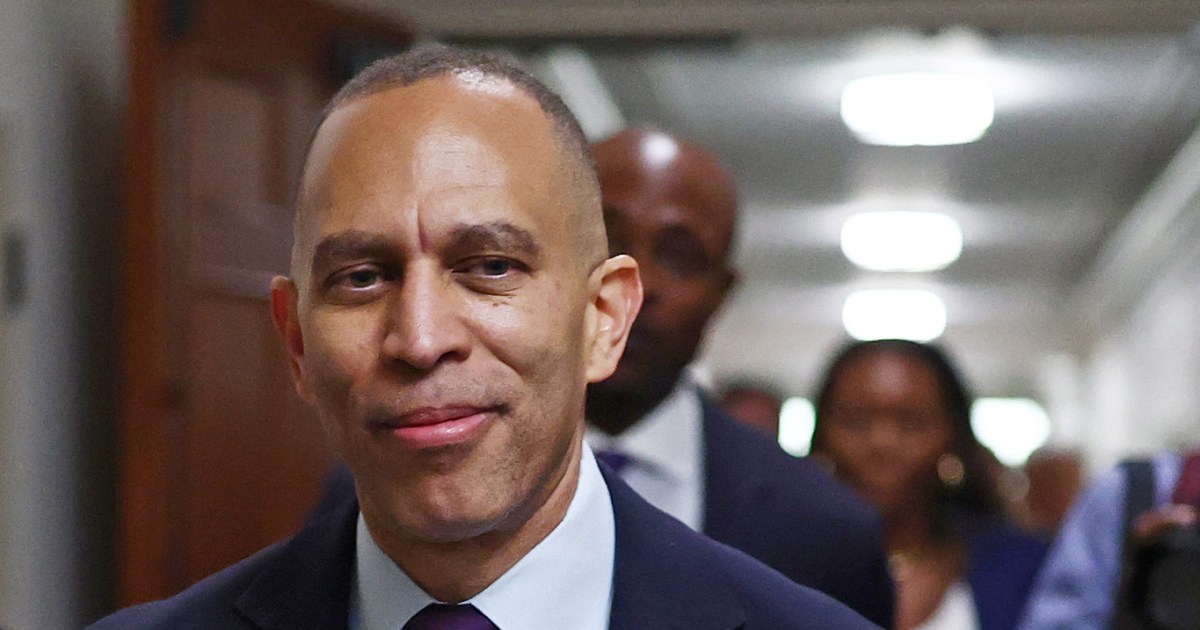
Representative Hakeem Jeffries of New York won his party’s nomination for speaker of the House on Wednesday, clearing a major procedural hurdle that puts him on a direct path to become the first Black speaker in United States history.
In a closed-door, secret-ballot vote, the Democratic Caucus backed Jeffries 251-11, according to NBC News. This result confirms his status as the presumptive leader when the new Congress convenes on January 3, 2027.
The nomination marks a transition for the Democratic Party, which is preparing to hold a majority of about 259 seats in the new House. This margin, the largest for Democrats in 35 years, stands in stark contrast to the 2023 session, when Republican Kevin McCarthy required 15 ballots to secure the speaker’s gavel with a 222-212 majority, as reported by NBC News.
For Jeffries, who has served as minority leader since the 2022 midterms, the internal vote provides a mandate to manage a significantly expanded and diverse caucus.
Managing a Diverse Democratic Majority
While the nomination was a clear victory, the 11 dissenting votes highlight ongoing tension between the party’s establishment and its progressive wing. Eleven members who voted against Jeffries released a joint statement citing policy concerns. They pointed to issues including Medicare for All and immigration as areas where they demand more aggressive action from leadership.
Jeffries addressed these internal dynamics by emphasizing a unified front against political opposition. “Our job is to fight MAGA extremism, not each other—to fight MAGA extremism and to get big things done for the American people,” Jeffries told reporters.
When asked about potential policy concessions to his detractors, he said that the caucus contains varying perspectives and that he intends to “embrace that” while seeking the “highest common denominator” for legislative progress, according to CBS News.
Caucus Fills Key Roles with Historic Firsts
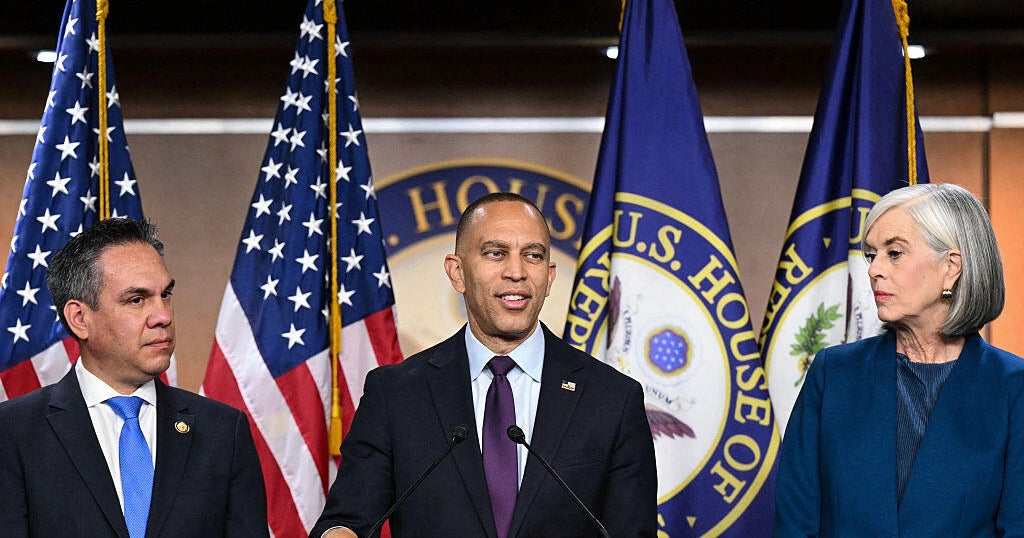
The caucus also moved to fill other key leadership roles, creating a slate of historic appointments that reflect the changing demographics of the Democratic Party. These leadership positions were largely uncontested, showing a desire for stability after the midterm cycle.
| Position | Representative | Historic Milestone |
|---|---|---|
| Majority Leader | Katherine Clark (D-Mass.) | First woman to hold the role |
| Majority Whip | Pete Aguilar (D-Calif.) | First Hispanic American to hold the role |
| Caucus Chair | Ted Lieu (D-Calif.) | First Asian American to hold the role |
The selection of this leadership team follows an intense period of internal pressure. As reported by AP News, some newly elected members faced heavy grassroots pressure, with offices receiving hundreds of calls from constituents urging them to demand change.
Despite this, the overwhelming support for Jeffries in the secret ballot suggests that the vast majority of the caucus remains aligned with his strategy. Even among the progressive wing, some members have shown a willingness to work within the existing structure. “His job is to reflect all of us, not just a faction,” said Returning Rep. Yassamin Ansari of Arizona.
The Path to the Speaker’s Gavel
The next major step for Jeffries is the floor vote on January 3, 2027. To succeed Republican Mike Johnson as speaker, he must secure 218 votes from the full chamber.
Given the Democratic majority, analysts expect he will reach this threshold easily, even if he loses a small number of votes from his own party. The process of electing a speaker serves as the first official act of the new Congress, formally setting the legislative agenda for the next two years.
As Jeffries prepares for the transition, he has said affordability and the cost of living will be his primary focus. During his post-vote press conference, he described the current political climate as a demand for “bold, dramatic, and transformational change.”
Whether he can translate this broad mandate into legislative success will depend on his ability to balance the competing priorities of his massive, ideologically varied majority. For now, the path to the speaker’s office remains clear, with Jeffries poised to take the gavel on January 3.
Worth a look

GTA VI Release Spurs Spike in Time-off Requests, Observers Fear Absenteeism
Millions of players are preparing for the release of Grand Theft Auto VI on Thursday, November 19, a...

UNC Study: Alcohol Cuts Immunotherapy Efficacy ~50% in Mice; Tied to Worse Survival in Humans
UNC researchers found a human-equivalent dosage of three to six daily drinks cut immunotherapy efficacy roughly 50% in...

Higher Blood BCAA Levels Linked to Lower Parkinson’s Risk Years Before Diagnosis
A massive analysis of UK Biobank data published this month links higher blood levels of branched-chain amino acids...
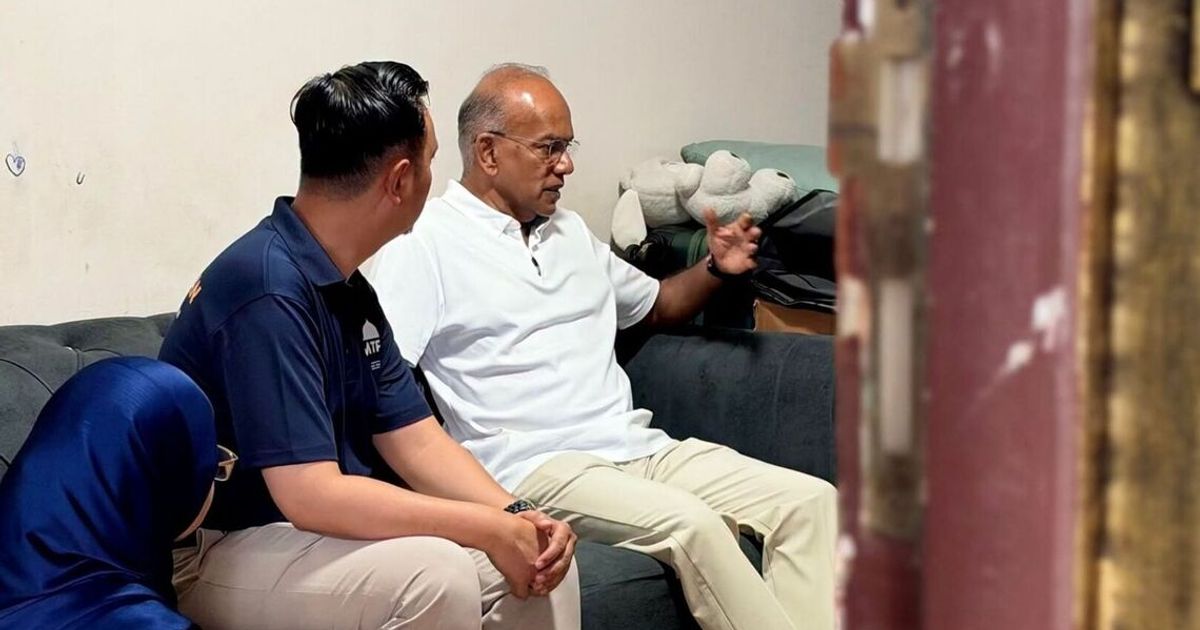
Senior Minister Shanmugam Visits Family of Couple Killed in Tampines Crash
Senior Minister K. Shanmugam visited the family of a young couple killed in a Tampines crash on Oct....