
Researchers at the University of Kentucky discovered that brain immune cells called microglia—rather than amyloid-beta plaques—drive sleep loss in Alzheimer’s disease. Using a microglia-blocking drug in mice, scientists restored over two hours of restorative sleep nightly without clearing brain plaques, pointing to a potential new paradigm for treatment.
For years, researchers blamed this exhaustion on the sticky amyloid-beta plaques that accumulate in the brain as the disease progresses, or on the gradual death of neurons. A new study published in Alzheimer’s & Dementia suggests that explanation missed the true culprit.
Scientists at the University of Kentucky identified the brain’s resident immune cells as the primary driver of sleep loss. When these cells react to accumulating protein clumps, they trigger a heavy inflammatory cascade that keeps the central nervous system in a state of continuous arousal, preventing deep rest.
The Kitchen Fire and the Sprinkler System
To explain how the brain’s immune network disrupts rest, researchers used an intuitive analogy. Amyloid plaques function like a small, isolated fire breaking out in a kitchen. In a healthy scenario, resident immune cells act to clear debris and protect tissue. But when those cells encounter chronic protein buildup, their protective reaction spirals out of control.
Macauley described the overactivation with a vivid comparison. Instead of a targeted extinguisher putting out the kitchen fire, the automated sprinkler system floods the entire house, turning a contained problem into widespread collateral damage. The overactive cells create an inflammatory environment that keeps the brain aroused even during sleep, preventing the slow-wave restorative stages required to clear daily toxins.
Mapping the Brain’s Electrical Fingerprint
To separate Alzheimer’s-related changes from normal aging, the research team examined two groups of animals: mice genetically engineered to develop amyloid plaques and a healthy control group. The animals were evaluated at six months of age, when plaques first emerge, and at 18 months, representing advanced disease.
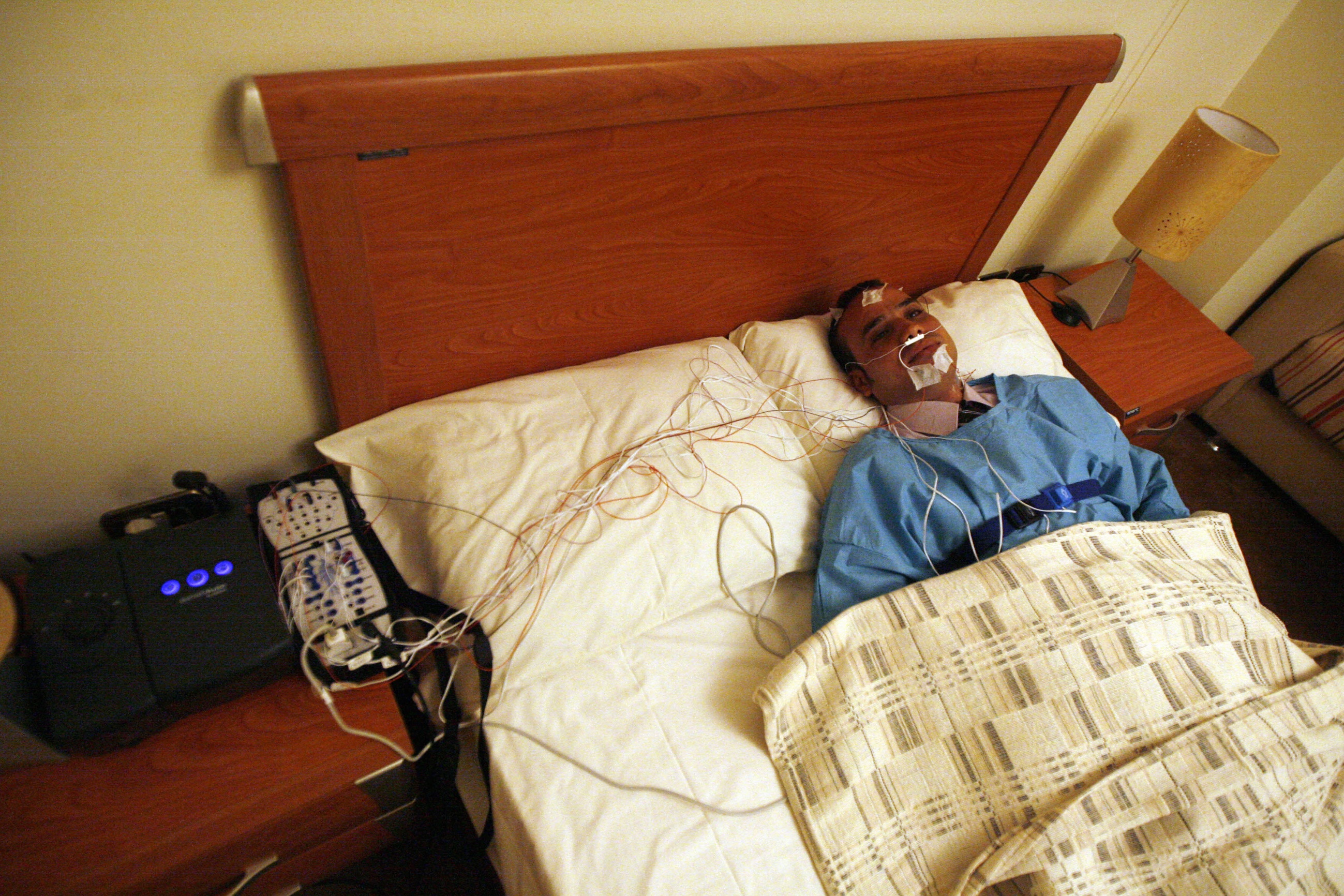
The team tracked sleep cycles and electrical activity using specialized headmounts. An electromyography device measured muscle activity, while electroencephalography recorded electrical oscillations across neural networks. To pinpoint where immune cells accumulated, the investigators employed whole-brain light-sheet microscopy, rendering tissue transparent and illuminating it with laser light to generate complete three-dimensional digital maps of both plaques and immune cells.
The analysis revealed that the brain’s background electrical activity was idling at an unusually high speed during rest, effectively running the engine while parked.
Testing a Microglia-Blocking Drug
To test whether these immune cells directly caused the sleep deficit, the team administered Pexidartinib, a medication originally developed for cancer research that blocks the colony-stimulating factor 1 receptor signaling pathway required for microglial survival. Feeding the animals this drug for 14 days temporarily eliminated about 87% of the brain’s immune cells.

The intervention yielded a striking result. The mice regained more than two hours of restorative sleep each night. Crucially, the amyloid-beta burden in their brains remained completely unchanged. The restorative sleep occurred without a single plaque being cleared, proving that the inflammatory reaction to the plaques—rather than the physical protein clumps themselves—drives the sleep disturbance.
Unexpected Timeline and Future Screening Potential
The study also revealed an unexpected pattern regarding disease progression. Investigators anticipated that as plaque accumulation worsened over time, sleep disruption would increase proportionally. Instead, the data showed a ceiling effect.
“The disruptions in sleep and cortical EEG activity that occur at six months, when plaques first emerge, did not worsen by 18 months, despite more than double the amount of plaque burden.”
Nicholas J. Constantino, recent UK doctoral graduate and first author
This early emergence of sleep disruption opens new possibilities for early detection. Because portable electroencephalography systems can monitor individuals in their home environments, researchers suggest these tools could potentially screen for changes associated with Alzheimer’s disease without requiring expensive or invasive initial tests. While wiping out an entire army of brain immune cells is not a viable therapy in humans, future treatments will likely focus on calming overactivated microglia to restore the brain’s primary cleaning cycle.
- LEAD Consortium Launches First Nationwide Study on Paradoxical Lucidity
- CHOP Researchers Find Dietary Changes Triple Survival in Hirschsprung Model
- How darker autumn affects sleep and circadian rhythms (archyde.com)
- Researchers call fossil fuel subsidies the worst energy policy — Mongabay (newsarchyuk.com)

LEAD Consortium Launches First Nationwide Study on Paradoxical Lucidity
An international consortium called LEAD is launching a nationwide study dedicated to investigating paradoxical lucidity in dementia patients,...
CHOP Researchers Find Dietary Changes Triple Survival in Hirschsprung Model
Researchers at the Children's Hospital of Philadelphia and international partners discovered that altering standard diets in a preclinical...
Diabetic Amputation Mortality Rates Remain High in England Study
Patients with diabetes in England undergoing below-knee amputation face enduring mortality rates of 23.5% at one year and...

UC Riverside Researchers Identify Brain Protein Driving NeuroHIV Damage
Researchers at the University of California, Riverside, identified MAPK14 as a critical brain protein driving inflammation and memory...