
A federal appeals court ruled 2-1 on Tuesday that Maryland can pursue enforcement against Kalshi for offering sports wagers without a state license, Business Insurance reported.
The decision by the Richmond-based 4th U.S. Circuit Court of Appeals deepens a split among federal circuits over whether state gaming regulators can police prediction markets. Two other appeals courts have ruled against the New York-based company, while a third concluded New Jersey could not regulate it, according to Reuters reporting carried by investing.com and finance.yahoo.com.
“Congress knows how to displace traditional state police powers when it chooses to do so,” U.S. Circuit Judge Roger Gregory wrote in a concurring opinion.
The ruling denies Kalshi’s request for an injunction to stop Maryland Lottery and Gaming Control Commission acting director Jeremy Baker from enforcing a cease-and-desist letter sent last year. “The decision affirmed the state’s ability to regulate what is clearly sports wagering,” Baker said in a statement.

Kalshi, valued at $40 billion in a recent funding round, argues the Commodity Futures Trading Commission has exclusive jurisdiction over its event contracts. The CFTC under the Trump administration has backed that position. Maryland counters that the contracts are sports wagers subject to state licensing and age restrictions.
Judge Gregory and Judge Stephanie Thacker, writing separately, concluded the Commodity Exchange Act does not preempt state gaming laws here. U.S. Circuit Judge DeAndrea Benjamin dissented, saying Kalshi’s sports contracts qualify as swaps falling exclusively under CFTC oversight.
Founded in 2018 by financial analysts Tarek Mansour and Luana Lopes Lara, Kalshi secured a Commodity Futures Trading Commission license in November 2020 as the first regulated platform for event contracts. The company, which moved its base to Manhattan, publicly launched in July 2021 and reached a $22 billion valuation by May 2026.
Sports wagering drives the vast majority of its activity, accounting for more than 90% of site traffic and 89% of revenue in 2025, while traders poured over $1.2 billion into a single market during the 2026 FIFA World Cup.
The circuit split increases the likelihood the U.S. Supreme Court will take up the issue. Kalshi said Tuesday’s decision “demonstrates there is no unified coherent legal argument against prediction markets.”

Pistons Beat Pelicans 122-109 With Eight Double-Figure Scorers Without Cade Cunningham
Detroit rolled into New Orleans on Wednesday without its franchise point guard and left with a 122-109 blowout,...
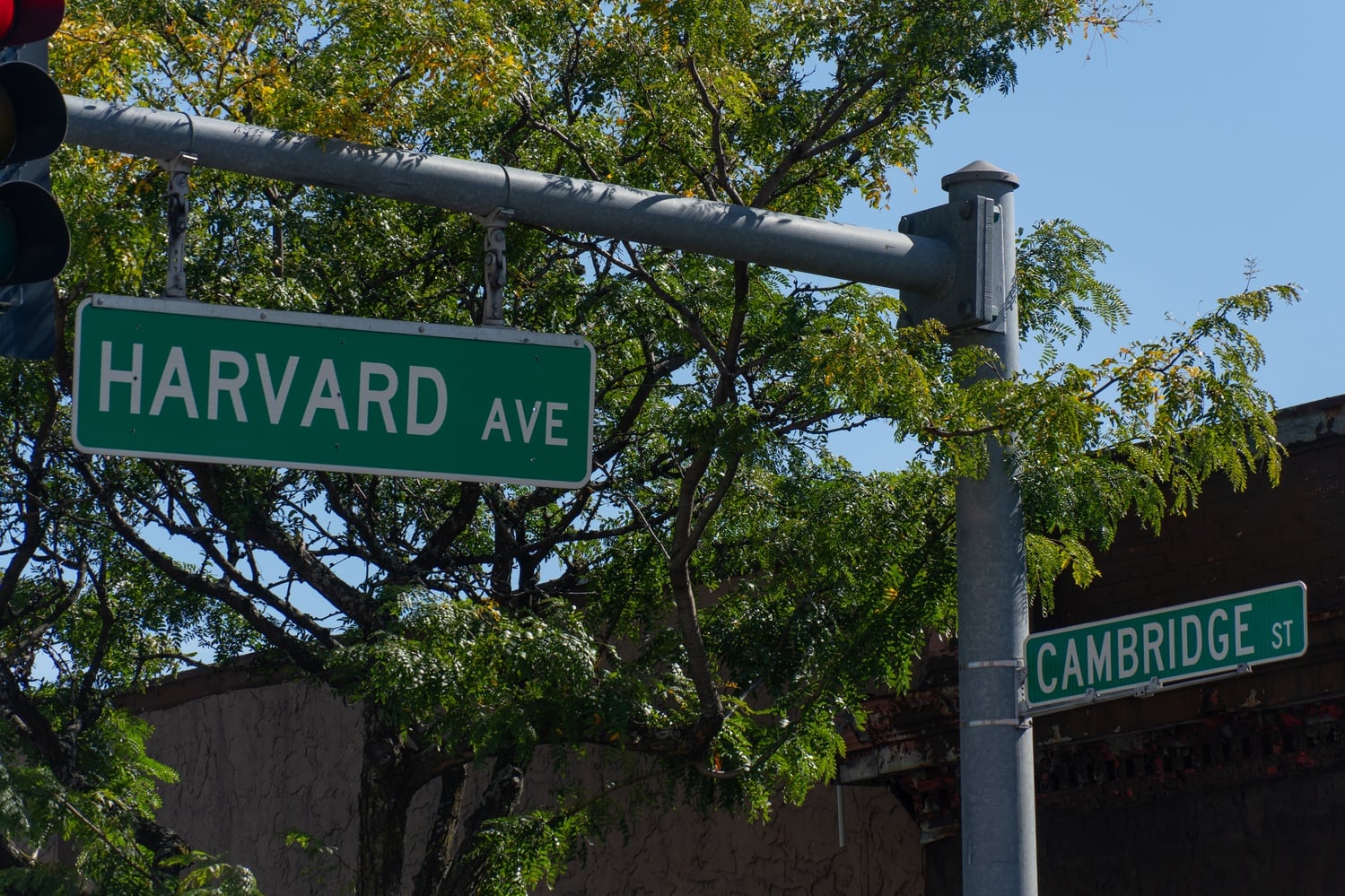
Cambridge Officials Report First Major Update on Highest-Crash Intersection Renovations
Cambridge city officials reported significant progress Wednesday on renovations targeting the city's highest-crash intersections, marking the first major...

Offshore Storm System, King Tides Could Disrupt Thanksgiving Travel From Florida to Carolinas
An offshore storm system could throw a wrench into Thanksgiving travel plans across the Southeast starting Thursday, with...

Sacramento County Board Approves American River Parkway Natural Resources Management Plan
The Sacramento County Board of Supervisors gave its approval to the American River Parkway Natural Resources Management Plan...