The United States has lost its measles elimination status, a designation held since 2000, after the Pan American Health Organization confirmed on Nov. 17, 2026 that sustained transmission has returned across the country.
The determination arrives as the West Coast Health Alliance — a partnership of California, Hawai‘i, Oregon, and Washington — issued a joint statement urging vaccination amid a 30-year high in cases. The alliance’s four state health officers warned that declining immunization rates have left communities vulnerable to a disease that spreads faster than almost any other.
“In September of this year, a person with measles traveled on trains and buses from Los Angeles to the Bay Area with multiple stops along the way. Despite the large number of contacts and the ability of measles to spread easily, there were no additional cases. Why? Because of California’s high rate of vaccine uptake, diseases like measles have not spread to large outbreaks,” said Dr. Erica Pan, State Public Health Officer and Director of the California Department of Public Health.
Yet the shield is cracking. Hawai‘i’s kindergarten MMR vaccination rate has fallen from 94.3% in 2021 to 89.3% in 2025, dropping below the 95% threshold experts say is necessary to prevent community spread. “A high risk of potential exposure coupled with a low vaccination rate is a combination ripe for an outbreak,” said Dr. Kenneth Fink, director of the Hawai‘i State Department of Health.
The numbers behind the alarm
Oregon has recorded more measles cases in 2026 than in any year since surveillance began in 1991. State officials report that 93% of infections involve people who are unvaccinated or whose status is unknown, and wastewater sampling suggests the virus is circulating far more widely than case counts show.
“Detection of measles in wastewater samples from across Oregon indicates that measles is much more widespread than the number of reported cases indicates,” said Dr. Dean Sidelinger, health officer and state epidemiologist at Oregon Health Authority.
Washington has seen nearly five times as many cases this year as in all of 2025. “Measles used to be more commonly associated with international travel, but today, you could be unknowingly exposed to measles in any community in our state,” said Dr. Tao Sheng Kwan-Gett, Washington State Department of Health State Health Officer.
What changes now
The loss of elimination status does not trigger new federal mandates, but it signals to the global health community that the U.S. can no longer claim to have interrupted endemic transmission. The West Coast Health Alliance is pressing the Centers for Disease Control and Prevention to expand measles testing capacity for outbreak response.
For families, the guidance is practical: children routinely receive a first MMR dose at 12 months, but infants as young as 6 months can be vaccinated where spread is ongoing. Adults without documentation of two doses should get a shot.
According to the World Health Organization, measles vaccines have saved an estimated 94 million lives globally over the past 50 years. Regaining elimination status will require sustained 95% coverage, stronger surveillance, and rapid containment — a tall order in a season where viruses move on buses, trains, and planes.
More on Pan American Health Organization
Related reading
West Virginia Routs Akron 98-60 Behind Forbes’ 21 Points
Skylar Forbes scored 21 points as West Virginia routed Akron 98-60. West Virginia blew the doors off the...

Jason Eaton Files for New Trial, Citing Media Coverage and Jury Issues
Attorneys for Jason Eaton filed a motion for a new trial in Chittenden County Superior Court this month,...

BLM Opens $2 Utah Christmas Tree Permits Through Dec. 24
Christmas tree permits for Utah's public lands went on sale Monday for $2 each through the Bureau of...
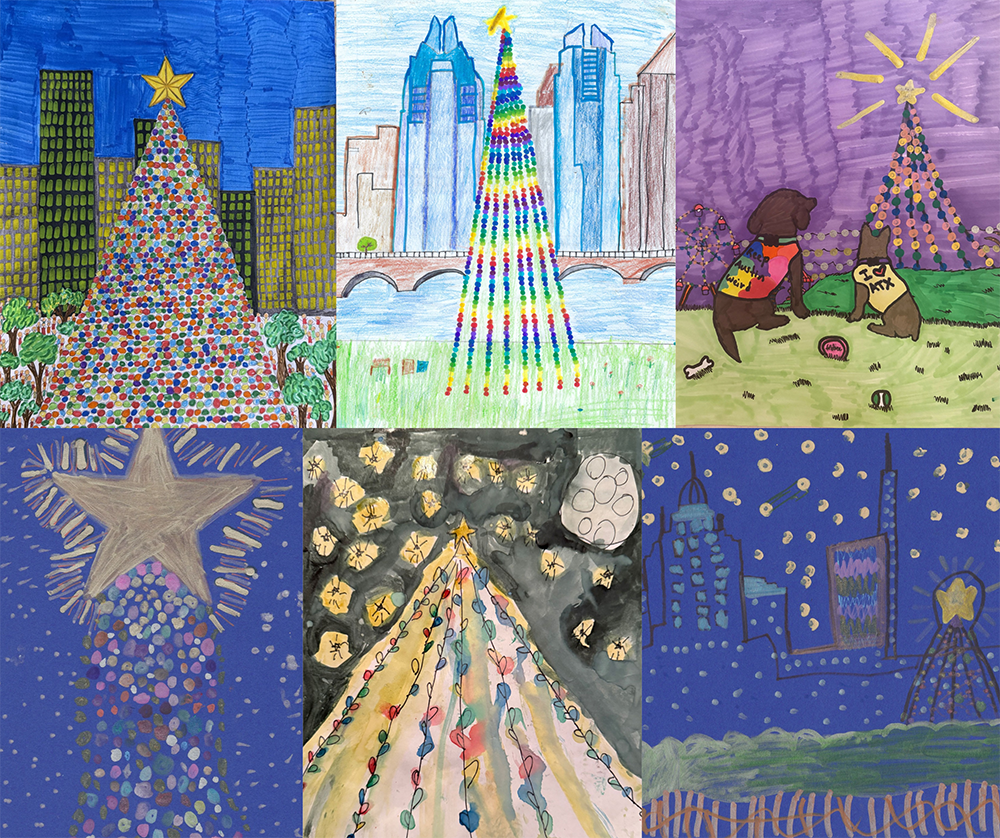
Austin 60th Zilker Holiday Tree Lighting Names Junior and Senior Winners to Flip Switch Sunday, November 29
Austin’s 60th Zilker Holiday Tree lighting ceremony will crown two young artists to flip the switch on Sunday,...