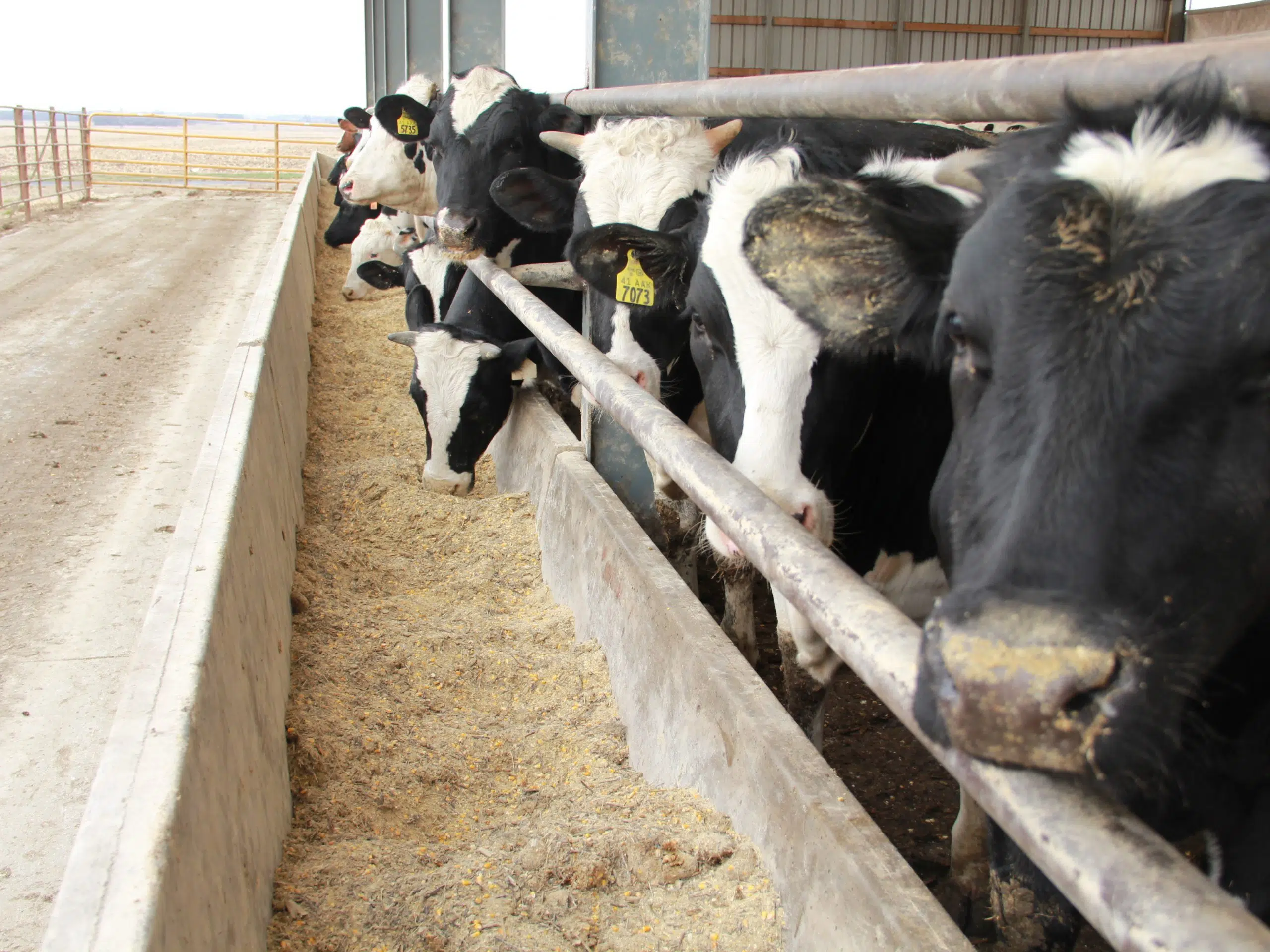
The U.S. Department of Agriculture has officially revised matching requirements for its Dairy Business Innovation Initiatives program, reversing an unpopular plan that had angered the dairy industry.
Under the updated rules, the four regional centers will no longer need to provide cost-share funds for their federal grants or administrative expenses. However, individual dairy farmers and processors receiving subawards must now contribute matching funds ranging from 10% to 25% of the requested federal dollars.
The original proposal from the agency had mandated a broader 25% cost-share requirement across the board. Dairy industry organizations warned that such a rigid threshold threatened the operational survival of the regional hubs, which provide vital grants and technical assistance to dairy businesses nationwide.
Following discussions this fall involving federal officials, the Office of Management and Budget, the regional centers, and industry groups, the agency adjusted its approach. The Wisconsin Cheese Makers Association announced the modifications, noting that the revised Notice of Funding Opportunity grants individual centers the flexibility to set match requirements based on the needs of local processors and farmers.
“USDA’s revisions recognize the unique structure of the Dairy Business Innovation Initiatives program and the important role these Centers play in serving dairy businesses of all sizes,” said Rebekah Sweeney, WCMA Senior Director of Programs & Policy.
The federal program currently operates four regional centers located in California, Tennessee, Vermont, and Wisconsin. For the 2026 program year, the agency has allocated approximately $12.65 million to support these hubs and their subaward recipients.
Alongside the cost-share adjustments, the application deadline has been extended to January 4, 2027. This extension gives the regional centers additional time to communicate the new rules to prospective applicants and adjust their administrative processes.
“We are grateful for the tremendous effort of dairy business leaders, industry allies, and Congressional and state champions as we worked with agency leaders on a path forward for Dairy Business Innovation Initiatives,” Sweeney added.
The program remains a primary avenue for dairy operations seeking capital for product development, market expansion, and equipment modernization.
Keep reading

Legal Recruiting Coordinator – Austin, TX – McGinnis Lochridge
According to the recruitment details provided by McGinnis Lochridge, the firm is currently looking for an adaptable and...

West Virginia English Language Arts 5-Adult – American Board
Becoming an English language arts teacher in West Virginia costs $1,750 for candidates utilizing a limited-time $150 discount...

Sunrise Senior Living Offers Dishwasher Roles With Competitive Pay
Sunrise Senior Living has reported openings for dishwasher positions with a pay range between $15.00 and $18.75 per...

Titans WR Calvin Ridley Involved in Nashville Airport Incident
Nashville Airport Incident Tennessee Titans receiver Calvin Ridley was involved in an incident over the weekend at Nashville...