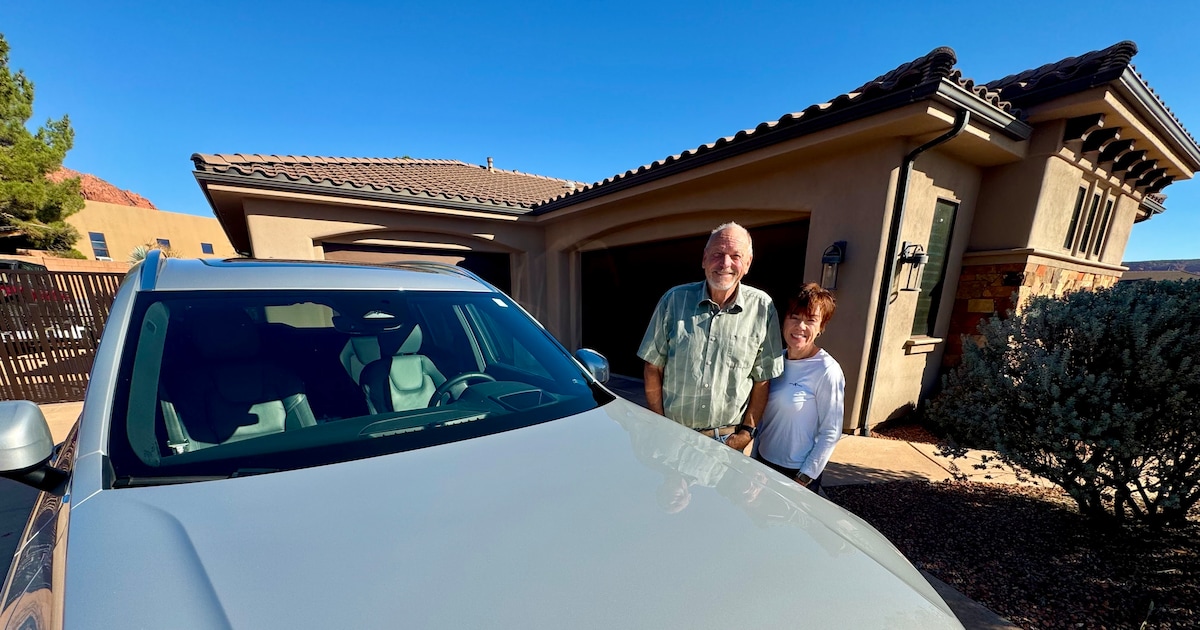
Jack Hoopes will stand trial Nov. 24 in St. George Justice Court over a $50 citation for tapping his car horn while driving past a “No Kings” protest in March, a case that legal scholars say tests whether a routine traffic statute can be used to silence political expression.
The dispute began March 28 when Hoopes, an Ivins resident and former county prosecutor in southeast Idaho during the 1980s, drove past demonstrators lining 400 East outside Vernon Worthen Park.
He sounded his horn briefly in solidarity, he told The Salt Lake Tribune, and a St. George police officer pulled him over. The citation invokes a Utah law that bars “unreasonably loud or harsh” horns and limits highway horn use to safety warnings.
Hoopes said the officer initially planned to issue a warning but wrote the ticket after Hoopes asked why another honking driver had not been stopped. That sequence, constitutional law scholars argue, raises a First Amendment claim that goes well beyond a municipal traffic infraction.
“In sum, the honking at issue here is constitutionally protected speech,” said Frederick Gedicks, emeritus professor at Brigham Young University’s law school, who taught constitutional law for four decades. “Because honking while driving past demonstrators is a widely recognized way to show nonverbal solidarity, it meets the legal standard for protected speech.”
Gedicks contends the government has no legitimate interest in punishing a few brief daytime horn blasts in a commercial district. Unlike sustained late-night honking in a quiet neighborhood, the sound did not disturb the public peace, he said, and the officer’s shift from warning to citation after Hoopes questioned the stop shows the weakness of the state’s justification.
He also raised the specter of viewpoint discrimination. Washington County voted heavily for Donald Trump in recent elections, and Gedicks said it is hard to imagine a St. George officer citing drivers for honking at a MAGA rally, or a prosecutor pursuing those charges. Selective enforcement based on the political message would violate the First Amendment, he told the Tribune.
Other legal observers caution that Hoopes faces an uphill battle. Clifford Rosky, a University of Utah law professor, said political honking can qualify as expressive conduct, but states may still prohibit horn use unrelated to road safety.
He pointed to a 2023 Ninth Circuit ruling that upheld a similar California restriction after finding no proof of discriminatory enforcement. That decision, Porter v. Gordy, is not binding in Utah but illustrates the evidentiary hurdle.

“I’m having some trouble getting across the finish line without evidence that the state declined to enforce this law against people expressing other political viewpoints by honking,” Rosky told the Tribune.
Anthony Peacock, director of the Center for the Study of American Constitutionalism at Utah State University, echoed that skepticism. Courts treat vehicle horns differently because they serve a traffic-safety function, he said, comparing a selective-enforcement claim to a speeding ticket issued while other speeders go free. Peacock suggested Hoopes would have been on firmer ground had he gotten out of the car to yell or wave.
Hoopes, who plans to call witnesses and question the officer about enforcement practices at other demonstrations, said his defense does not rest on a blanket right to honk.
“I’m not going to argue that just honking your horn is a constitutional right, but it’s the discrimination in the prosecution of it,” he said. He acknowledged the case could go either way and said he will pay the $50 fine if he loses.
Gedicks, raised in New Jersey and southern California, earned a law degree from the University of Southern California and clerked for the Ninth Circuit before entering academia. He taught constitutional law for four decades, holding the Guy Anderson Chair at BYU Law from 2005 until his 2024 retirement, and served as a visiting professor at institutions including the University of Milan and the University of Notre Dame.
The trial is scheduled for Nov. 24 in St. George Justice Court.

Lady Statesmen (2-2) Visit Defending MIAA Champion Washburn Tonight
Delta State women's basketball takes a 2-2 record into Topeka tonight for an 8 p.m. Central tip against...
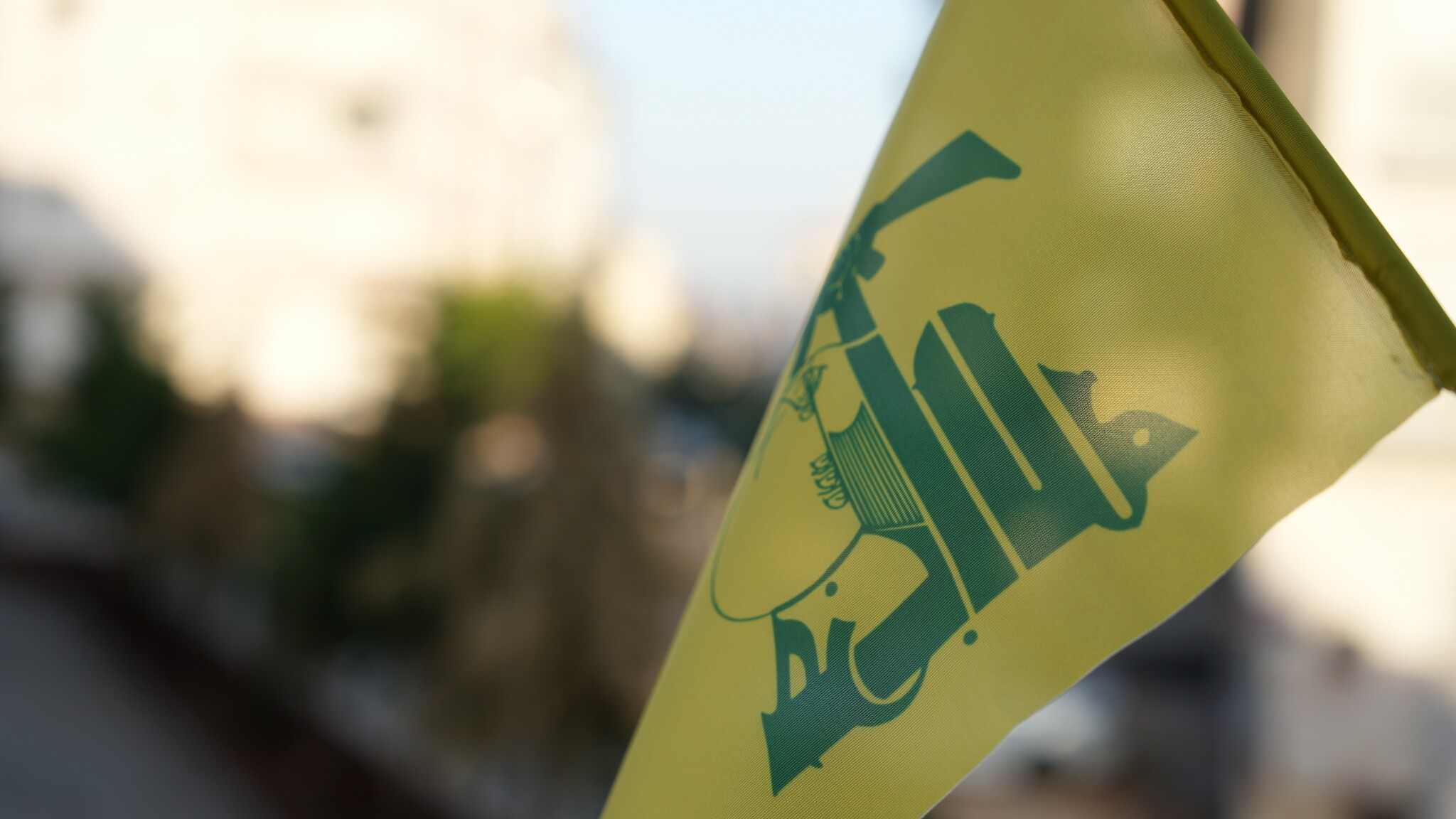
To Disarm Hezbollah, US Must Target Its Political Protectors in Lebanon
A new analysis from the Foundation for Defense of Democracies argues that Washington cannot disarm Hezbollah by pressuring...
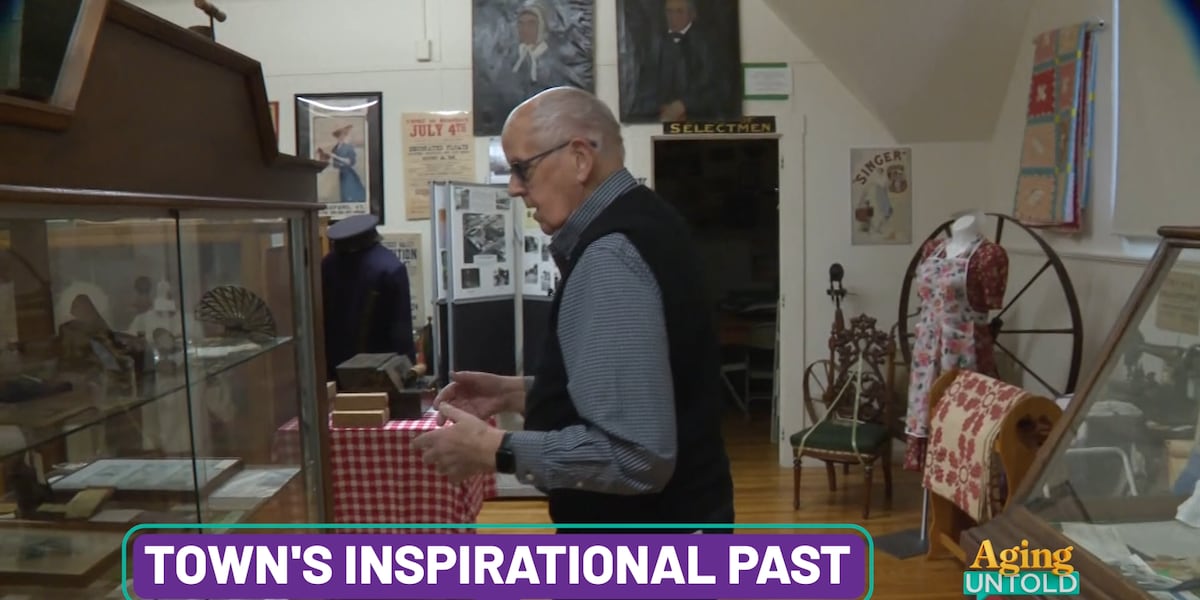
Former History Teacher, 82, Curates Bradford Historical Society
Larry Coffin still walks the third-floor hallway of the old Bradford Academy building, 52 years after the school...

Jason Kelce Urges Chiefs to Keep Feeding Emmett Johnson After Missed-Tackle Prowess
Jason Kelce told his brother Travis on Wednesday’s New Heights podcast that the Kansas City Chiefs need to...