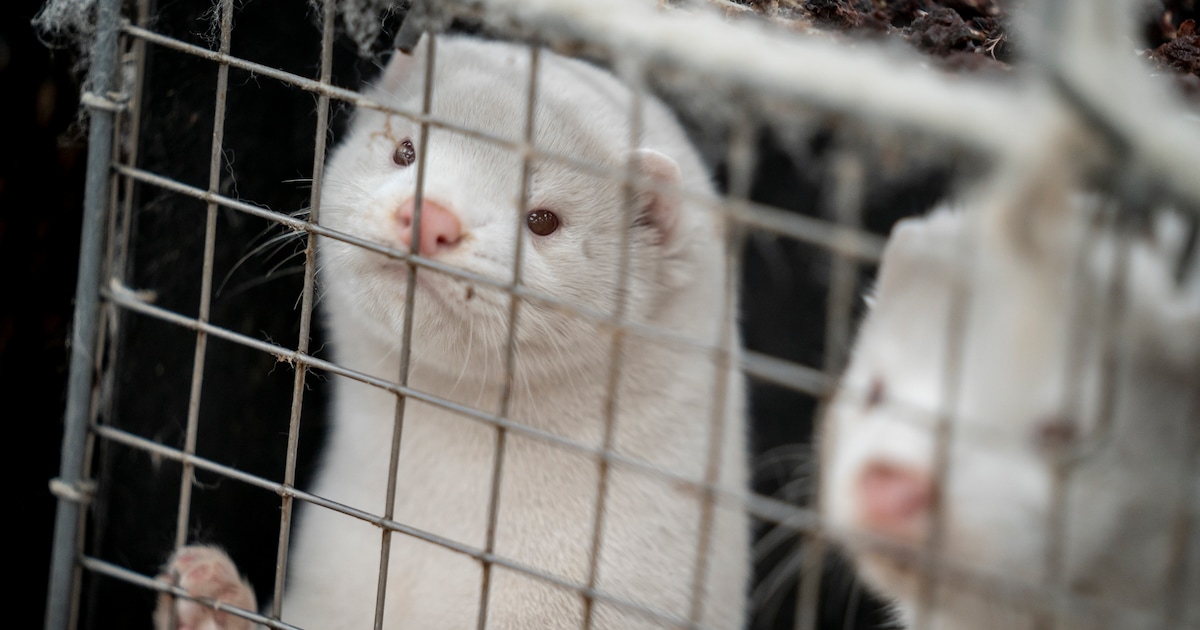
A Utah veterinarian is urging state lawmakers to enact a permanent, publicly funded phaseout of mink farming after the first U.S. detection of H5N1 in captive mink exposed gaps in outbreak response and worker safety protocols.
In August 2026, highly pathogenic avian influenza was confirmed at a Salt Lake County fur farm, marking the first outbreak in captive mink in the United States, The Salt Lake Tribune reported.
No federal indemnity for mink farmers
Infected poultry flocks are typically culled to prevent transmission, with producers receiving taxpayer-funded indemnity payments. Because no comparable federal program exists for mink farmers, Utah officials struggled to determine how to respond, according to state records reviewed by ProPublica. One official described the options as seeking emergency vaccine approval or watching the mink die, with the farm anticipating losses of up to 80% of its animals.
Worker monitoring halted after industry pushback
The Centers for Disease Control and Prevention considers the risk to the public low, though workers directly exposed to infected animals face greater risks. On Nov. 1, a Yakima County resident in Washington died after exposure to infected dairy cattle, a case unrelated to Utah’s mink outbreak that nonetheless underscores the importance of disease monitoring.
Confinement drives disease risk
Mink are naturally solitary, semiaquatic animals that swim, hunt and roam large territories. On fur farms they are confined to small wire cages. Utah appears to have no state-mandated minimum cage dimensions or enrichment requirements, while regulations in other states require as little as one square foot of floor space per mink. Such confinement is associated with chronic stress, abnormal repetitive behaviors, frustration and injuries.
Industry already in sharp decline
According to USDA data, annual Utah mink production fell by 90% from approximately 959,000 pelts in 2014 to 95,230 in 2024. Fewer than 10 mink farms reportedly remain in the state, making a targeted, publicly funded transition a realistic option.
Precedents for agricultural transition
Governments have supported similar transitions before. Denmark also established compensation programs for mink farmers and related businesses following its pandemic-related shutdown.
Proposed legislation would set closure deadline
Dr. Larrea Cottingham, a Utah-based veterinarian and former wildlife biologist, is urging members of the Utah Legislature to sponsor legislation establishing a permanent phaseout with fair compensation and transition assistance. Such legislation would set a deadline for ending mink production, prohibit new farms and expansion, and compensate farmers for permanent closure.
A dedicated transition fund would support facility conversion, alternative businesses and worker retraining. Each farm would be required to develop a veterinary-approved closure plan ensuring appropriate animal care, preventing further breeding and prioritizing sanctuary placement where feasible. Humane euthanasia, when necessary, would be conducted under veterinary oversight with costs covered by transition funding.
Keep reading
Trudeau Foundation Doctoral Scholarships Support Research on Canada’s Future
Applications for the 2027 cohort closed as of the Foundation's latest notice. Eligible candidates must be in their...
Woman Dumps Kittens at Tempe Shelter, Second Incident in Two Months
The kittens, each about two months old, scampered around the lobby for several minutes before staff noticed what...

2021 Chevrolet Colorado Z71 Crew Cab Sells With Trailering Package
A 2021 Chevrolet Colorado Z71 Crew Cab with a heavy-duty trailering package is now available at Stivers CDJR....

National Weather Service: Calm Thanksgiving Weekend in Las Vegas Before Rain
Las Vegas Valley will see a calm, mostly sunny Thanksgiving weekend before a wetter pattern arrives Tuesday, the...