
Vermont is stitching together a 480-mile mountain bike route that will link 30 to 45 backcountry huts and small-town hostels across Vermont, creating a hut-to-hut cycling network.
The project, called the Velomont, has completed 40 miles — including the 38-mile Heart of the Greens Loop in central Vermont — and organizers expect both trail mileage and lodging options to double by 2028.
The Vermont Huts and Trails Association and the Vermont Mountain Biking Association (VMBA) are leading the effort, which began to take shape in 2016 when the communities of Rochester and Randolph chose to connect their separate trail systems rather than expand them in isolation. “The idea just kind of snowballed,” said Angus McCusker.
McCusker told Adventure Cycling Association he is “more confident than ever” that a state-spanning route will come to fruition. “People are starting to say, ‘I see what you’re doing now.'”
The completed Heart of the Greens Loop offers a template for the broader vision. Riders can tackle the 38 miles as a demanding overnighter with 5,000 feet of elevation gain or spread it over two nights, sleeping at the Chittenden Brook Hut and the Spikehorn Yurt before finishing with a Vermonter BLT at The Original General Store in Pittsfield.
Organizers estimate the finished network could generate $6.4 million in annual visitor spending for trail towns. Beyond economics, the route’s proposed corridor touches more than 200,000 acres that could be conserved, protecting wildlife corridors alongside recreation.
VMBA chapters have spent decades building “spaghetti bowl” networks across the state. The Velomont reorients that work into a continuous north-south spine, a model more common in Europe and New Zealand. Public forums in trail-adjacent towns and regular coordination with federal, state, and local stakeholders have built the political and regulatory scaffolding required for a project that crosses so many jurisdictions.
But the template is live on the ground in central Vermont, and the director’s confidence is backed by a doubling target set for 2028.

MCEDC Hosted March Panel and June Fireside Chat on County Growth
The Montgomery County Economic Development Corporation (MCEDC) launched structured programming in fiscal year 2026 that brings local business...
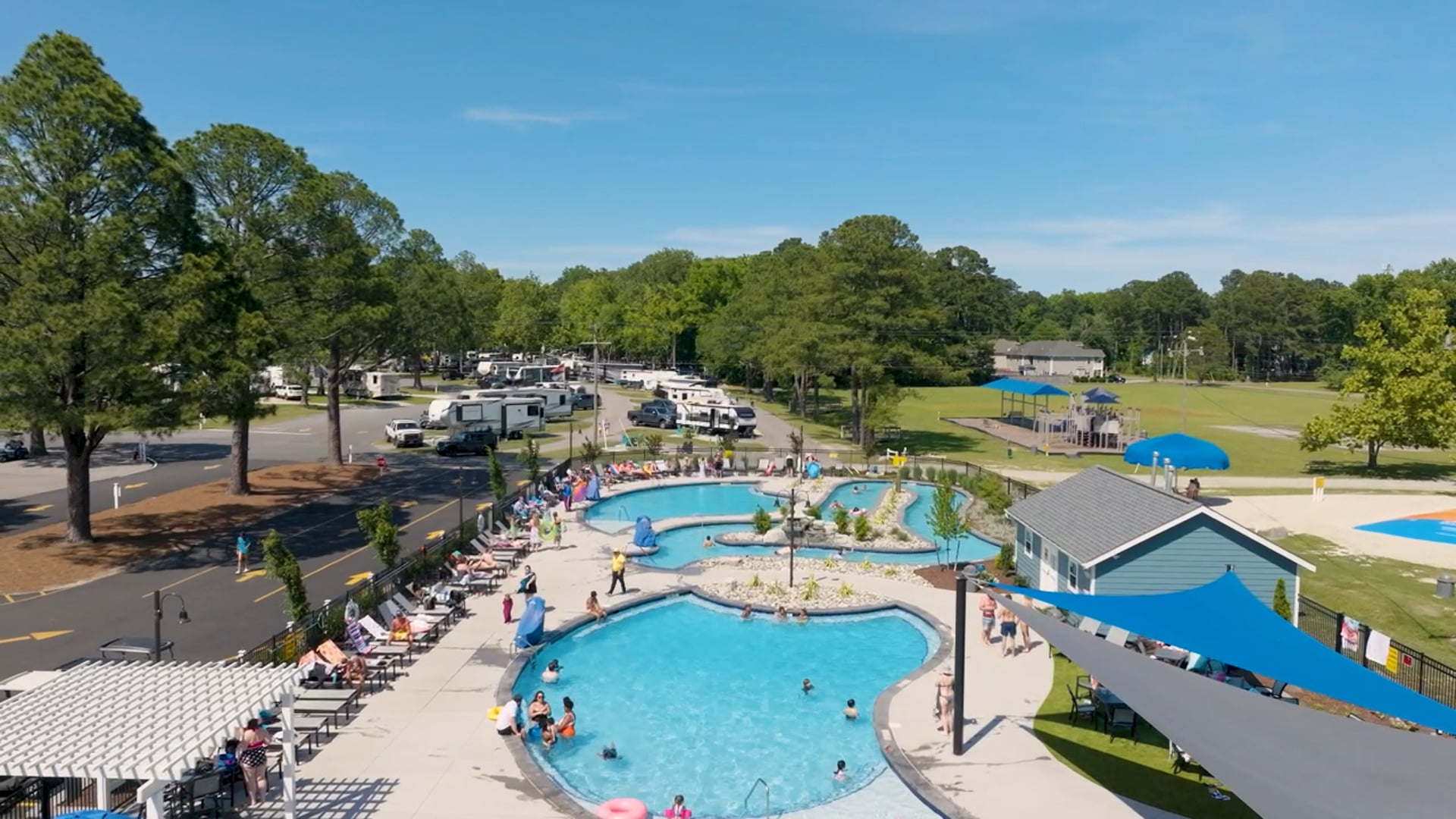
Guests at Virginia Beach KOA Holiday Report Mixed Experiences on Cleanliness and Safety
Guests at the Virginia Beach KOA Holiday have reported a stark divide in their experiences, ranging from praise...

West Allis Man Charged With Attempted Homicide After Police Shooting
A 31-year-old West Allis man is facing charges of attempted first-degree intentional homicide following a police shooting that...

Wichita Falls Police Ceremony Honors Borrego Retirement, Introduces Lindsey
The Wichita Falls Police Department held a recognition ceremony on Friday to celebrate new leadership and honor the...