
Vermont Legislative Shifts: A Detailed Breakdown of the 2016 Election Results
The 2016 Vermont legislative elections resulted in a series of localized shifts that reshaped the composition of the State House and Senate. While many incumbents maintained their seats, several key races saw challengers unseat sitting representatives, altering the political balance in districts ranging from Chittenden to Orange County.
In the House, the election saw a mix of decisive victories and narrow margins. In House Bennington-4, Brian Keefe (R) secured 35.9% of the vote, defeating incumbent Cynthia Browning (D), who finished with 32.7%. This marked a notable flip from Democratic to Republican control. Conversely, in House Bennington-Rutland, Linda Joy Sullivan (D) reclaimed the seat for the Democrats, finishing with 55.53% against John “Jack” Stannard (R).
Shifts in Chittenden and Beyond
The Chittenden County districts, which often serve as a bellwether for legislative trends, experienced several notable turnovers. In House Chittenden-6-1, Carol Ode (D) defeated incumbent Kurt Wright (R) with 34.1% of the vote compared to Wright’s 28.4%. Similarly, in House Chittenden-8-2, Lori Houghton (D) and Dylan Giambatista (D) emerged victorious in a race that saw the defeat of the Republican incumbent, with Houghton securing 29.3% and Giambatista 27%.
The electoral map also reflected the influence of third-party candidates. In House Franklin-7, Cindy Weed (Progressive Party) captured 50.4% of the vote to defeat the Republican incumbent, Larry G. Fiske, who finished at 49.6%. This transition underscores the competitive nature of Vermont’s multi-party environment, where even slight margins in voter turnout can dictate the outcome of a district.
District-Level Outcomes and Legislative Impact
The following table summarizes selected House races where incumbent status was challenged or flipped:

| District | Winner(s) | Result/Notes |
|---|---|---|
| Bennington-4 | Brian Keefe (R) | Flipped D to R; Incumbent defeated |
| Chittenden-6-1 | Carol Ode (D) | Incumbent defeated |
| Chittenden-8-2 | Lori Houghton (D), Dylan Giambatista (D) | Flipped R to D; Incumbent defeated |
| Chittenden-9-1 | Jim Condon (D), Curt Taylor (D) | Flipped R to D; Incumbent defeated |
| Franklin-7 | Cindy Weed (PRG) | Flipped R to PRG; Incumbent defeated |
| Lamoille-Washington | Gary Nolan (R) | Flipped D to R; Incumbent defeated |
| Orange-1 | Rodney Graham (R), Robert C. Frenier (R) | Flipped D to R; Incumbent defeated |
| Windsor-Orange-1 | David Ainsworth (R) | Flipped D to R; Incumbent defeated |
In the State Senate, the changes were equally significant. The Senate Chittenden race saw a shift as Democrats gained ground, while the Senate Washington district saw a major transition with the defeat of long-time incumbent William “Bill” Doyle (R). The new Senate composition includes Ann Cummings (D) with 22.42%, Anthony Pollina (Progressive Party) at 20.05%, and Francis Brooks (D) at 18.04%, successfully flipping the seat from Republican to Democratic control.
Looking Ahead at Legislative Governance
These results highlight the volatility of local politics, where specific policy concerns and candidate visibility often outweigh broader state-level trends. The shift in districts like Orange-1 and Windsor-Orange-1 suggests that rural areas, in particular, were active in re-evaluating their representation during this cycle. The entry of new members into the House and Senate will influence the legislative agenda for the upcoming session, particularly regarding fiscal policy and committee assignments.
For voters, the immediate impact of these results is the change in committee leadership and caucus influence. As the legislature prepares to convene, the focus shifts to how these new members will align with party leadership and address the economic priorities that defined the 2016 campaign season. With several incumbents unseated, the incoming legislature faces the task of balancing established institutional knowledge with the new mandates brought by the incoming representatives.
The 2016 election cycle serves as a reminder of the competitive nature of Vermont’s political landscape, where the distribution of seats remains sensitive to the shifting priorities of individual districts. The legislative turnover recorded this year matches the historical pattern of periodic realignment within the Vermont General Assembly, setting the stage for the next biennium of policy debate.

Bridgeport businesses prepare for 22nd annual Light Up Night
Bridgeport is gearing up for its 22nd annual Light Up Night, a local tradition that transforms the city’s...
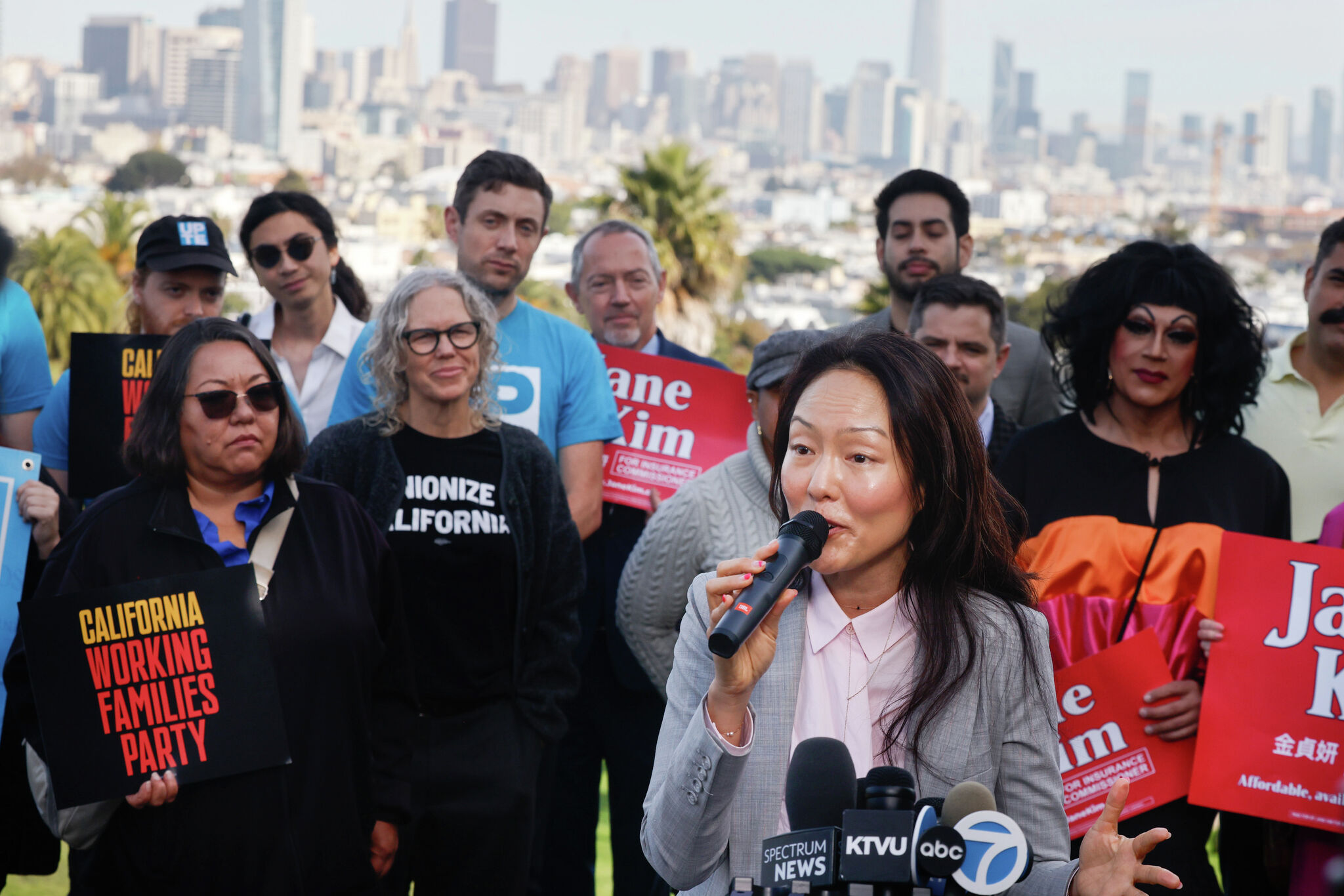
Jane Kim Declares Victory in California Insurance Commissioner Race
Jane Kim Claims Victory in California Insurance Commissioner Race Standing before the historic fire hydrant that famously saved...

Students and Families Praise UA Little Rock Discover Day Experience
“Discover gives those students their first opportunity to see themselves as college students and as UA Little Rock...

Seattle Seahawks face Arizona Cardinals in Week 9 at Lumen Field
Lumen Field Awaits a High-Stakes Collision The Seattle Seahawks return to Lumen Field this Sunday, November 8, for...