
Virginia’s Winter Forecast: A Season of Uncertainty
As residents across Virginia prepare for the colder months, the question of whether this winter will bring significant snowfall remains open. In a recent outlook published by WSET, meteorologist George Flickinger explains that predicting seasonal weather is inherently difficult, as there is no 100% accurate method for long-range forecasting. While the National Weather Service typically avoids issuing seasonal snow forecasts due to the high margin of error, Flickinger has analyzed historical weather data and the influence of the current El Niño pattern to provide a localized assessment for the region.
The state is currently entering one of the strongest El Niño events on record, a climate phenomenon characterized by warmer, humid air moving across the southern United States. This atmospheric shift, coupled with a persistent drought that has affected Virginia since the summer of 2025, creates a scenario that Flickinger describes as “uncharted territory.” Because there is no historical precedent exactly matching these specific conditions, the meteorologist notes that forecasting snow totals for this season is more complex than in typical years.
Comparing 2026 to Past El Niño Winters
To develop his predictions, Flickinger examined the last 75 years of weather data, focusing specifically on the eight strongest El Niño events on record. He identified the 2015-2016 winter as a potential point of comparison, as it also featured a strong El Niño following a moderate drought. During that season, Roanoke recorded 23 inches of snow, while Lynchburg saw 16 inches and Danville recorded 11 inches. Whether the upcoming season will mirror those totals remains a key point of curiosity for forecasters.

The interaction between the Polar Vortex, the Atlantic Ocean, and the mountainous terrain of Western Virginia will ultimately dictate the severity of the winter weather. Flickinger suggests that if the current El Niño-driven west-to-east flow remains dominant, the heaviest precipitation might stay to the south of Virginia. However, he does anticipate that late winter could prove to be wetter than the early months of the season.
Snowfall Predictions by Region
Based on his analysis of historical trends and current climate patterns, Flickinger has released the following snowfall estimates for specific areas in Virginia:
| City | Predicted Snowfall (Inches) |
|---|---|
| Lynchburg | 10 to 20 |
| Roanoke | 15 to 25 |
| Blacksburg | 20 to 35 |
| Danville | 5 to 15 |
These figures are not guarantees, as the weather remains subject to unpredictable shifts. Flickinger emphasizes that while seasonal trends are difficult to pin down, individual winter storms are much easier to forecast with accuracy as they approach. He intends to provide a mid-season update to evaluate how these initial projections align with the actual weather conditions observed by early 2027.
The Economic and Civic Stakes
For local municipalities and the state department of transportation, these forecasts carry significant implications for resource allocation. The memory of the previous winter—referred to locally as “Snowcrete”—serves as a stark reminder of how prolonged freezing conditions can impact infrastructure and daily life. Drought conditions also add a layer of complexity to the season; while moisture is needed to alleviate the ongoing dry spell, the timing of that precipitation relative to cold air temperatures will determine whether the state experiences snow or merely rain.
The uncertainty surrounding this winter highlights the difficulty of long-range climate modeling. As the region navigates this transition, residents are advised that while these estimates provide a baseline for preparation, the dynamic nature of the atmosphere means that actual outcomes may vary significantly month to month. The persistence of the drought and the strength of the El Niño pattern remain the two most significant variables that will dictate the winter experience for Virginians.
Keep reading

Bridgeport businesses prepare for 22nd annual Light Up Night
Bridgeport is gearing up for its 22nd annual Light Up Night, a local tradition that transforms the city’s...
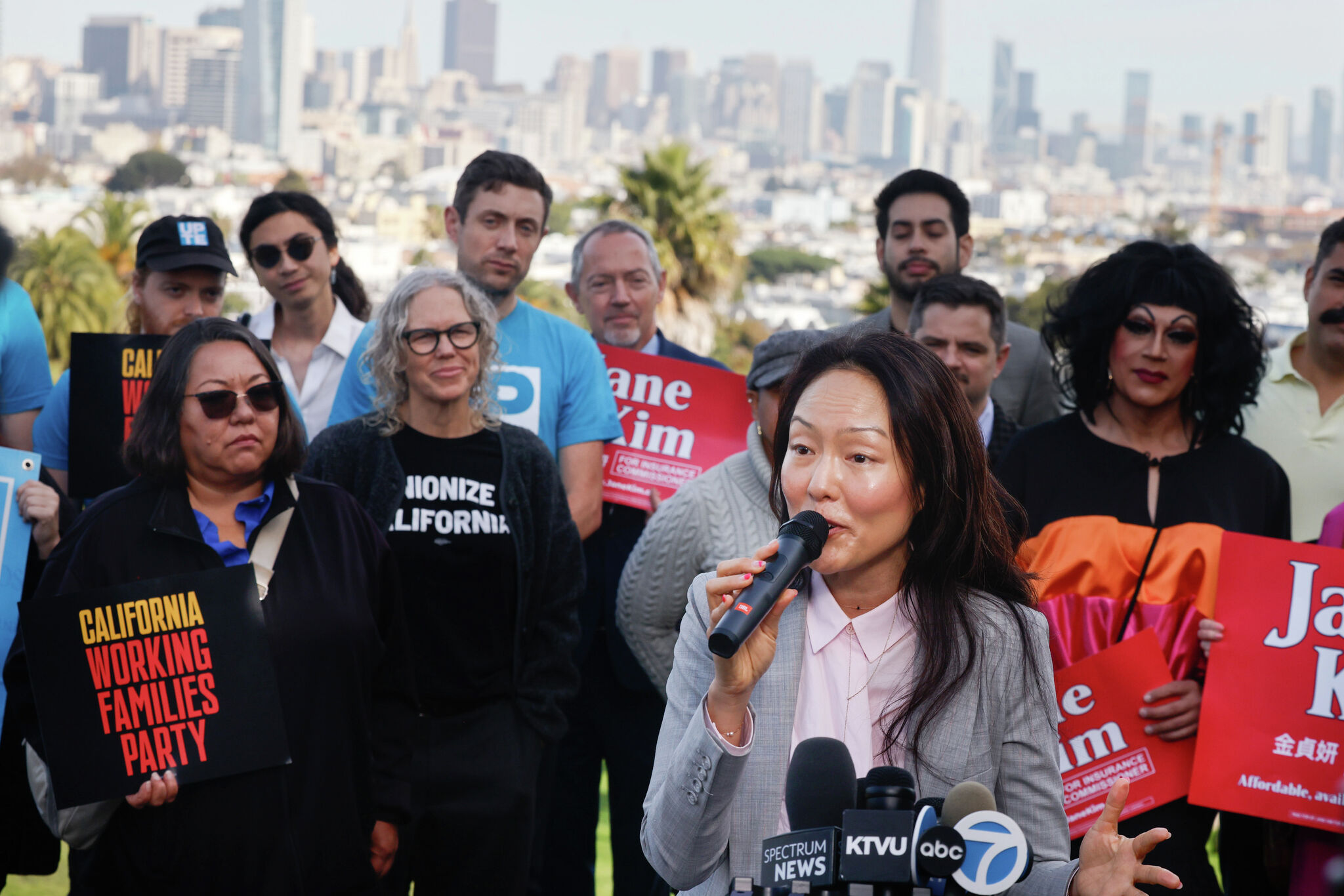
Jane Kim Declares Victory in California Insurance Commissioner Race
Jane Kim Claims Victory in California Insurance Commissioner Race Standing before the historic fire hydrant that famously saved...

Students and Families Praise UA Little Rock Discover Day Experience
“Discover gives those students their first opportunity to see themselves as college students and as UA Little Rock...

Seattle Seahawks face Arizona Cardinals in Week 9 at Lumen Field
Lumen Field Awaits a High-Stakes Collision The Seattle Seahawks return to Lumen Field this Sunday, November 8, for...