Vermont’s $80 million IT modernization project will stay on hold for at least another six months after a state-ordered audit labeled progress “unsatisfactory” and warned the very choice of software may be flawed, VTDigger reported.
The pause, which began in April, now stretches into the coming months as the administration of Gov. Phil Scott launches a 24-week remediation period to address sweeping concerns raised by CliftonLarsonAllen, the financial consulting firm hired by State Auditor Doug Hoffer. The project, already about six years into its modernization effort, aims to replace five existing state IT systems — including human resources and finance software — with the Workday platform.
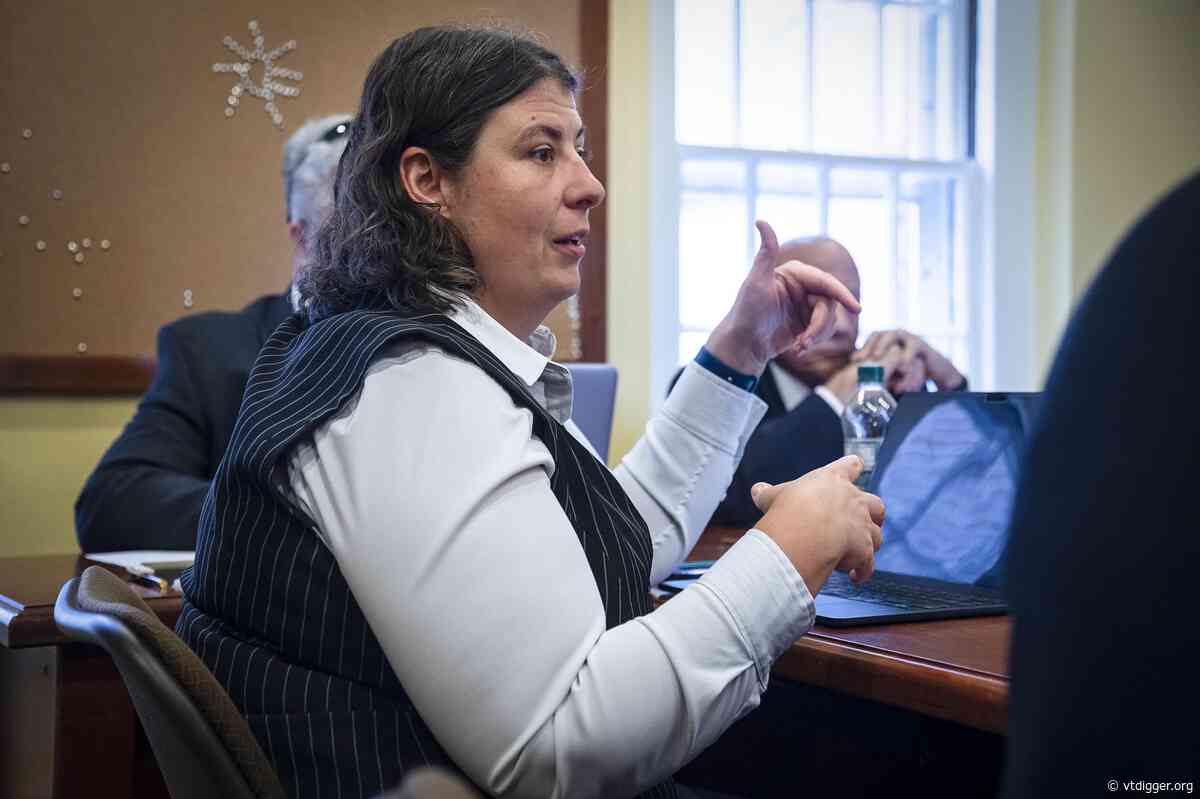
Friday’s meeting of the Joint Information Technology Oversight Committee laid bare a frustrations years in the making. Sen. Rob Plunkett, D-Bennington, who chairs the panel, called the audit’s findings “shocking.”
“How can you help us, like, not be freaking out about this?”
Priestley’s exasperation echoed a warning issued 18 months ago by Lisa Gauvin, an IT consultant for the Legislative Joint Fiscal Office. Gauvin told lawmakers then that the Agency of Digital Services had not done sufficient analysis to determine which functions Workday could actually replace.
At the time, then-Digital Services Secretary Denise Reilly-Hughes pushed back, insisting her team had completed multiple “gap analyses.” Reilly-Hughes left her role in mid-October for a job at Microsoft.
The financial stakes are hardening. The Legislature has approved roughly $25 million to date; the state had spent about $17 million through the end of October, according to Chrissy Gilhuly, a spokesperson for the Agency of Administration. Overall cost estimates, previously hovering at $70 million, have ticked upward.
Jim Kreiser, a principal at CliftonLarsonAllen, noted that similar implementations typically take states between two and four years. Vermont’s timeline makes it an “outlier,” he said. Kreiser added that given the audit’s findings, the state’s basis for selecting Workday may itself be in question.
“You may be at an inflection point of deciding: Have we even made the right decision?”
Deputy Secretary of Administration Sean Brown largely agreed with the audit’s conclusions, acknowledging “substantial risk” in several project areas. Officials will return after the 24-week period with a proposed timeline to restart the project.
Other states offer cautionary tales. Rhode Island and Oregon have run into serious problems rolling out Workday, including possible data corruption, expensive delays, and disruption to routine government operations.
Priestley said she would need a detailed plan showing exactly how Workday replaces particular functions performed by the old ones and ensures access to existing data before voting for additional funding.
“From my perspective, we’re past the point of assurances. The bar is high for a reason.”
Gauvin put the cost of delay in blunt terms: “Every time there’s a delay in this project, that’s another cost.” Kreiser confirmed the budget estimates are “certainly part of what needs to be reevaluated” in the coming months.
Keep reading

UCA Bears Open ASUN Crossover at Jacksonville, North Florida
The University of Central Arkansas Bears step onto the floor at Swisher Gymnasium on Saturday afternoon carrying a...

Downtown Development Review Board Grants Final Design Approval for UF LaVilla Building
Jacksonville's Downtown Development Review Board voted 7-0 Thursday to grant final design approval for the University of Florida's...

Alaska Supreme Court Hears Arguments Over Governor’s Power to Create Department via Executive Order
The Alaska Supreme Court heard arguments Thursday on whether Gov. Mike Dunleavy can create a new cabinet department...

Bishop Solis Calls for Humane Immigration Approach in Thanksgiving Message
Bishop Oscar Solis issued a Thanksgiving message through the Diocese of Salt Lake City addressing immigration policies and...