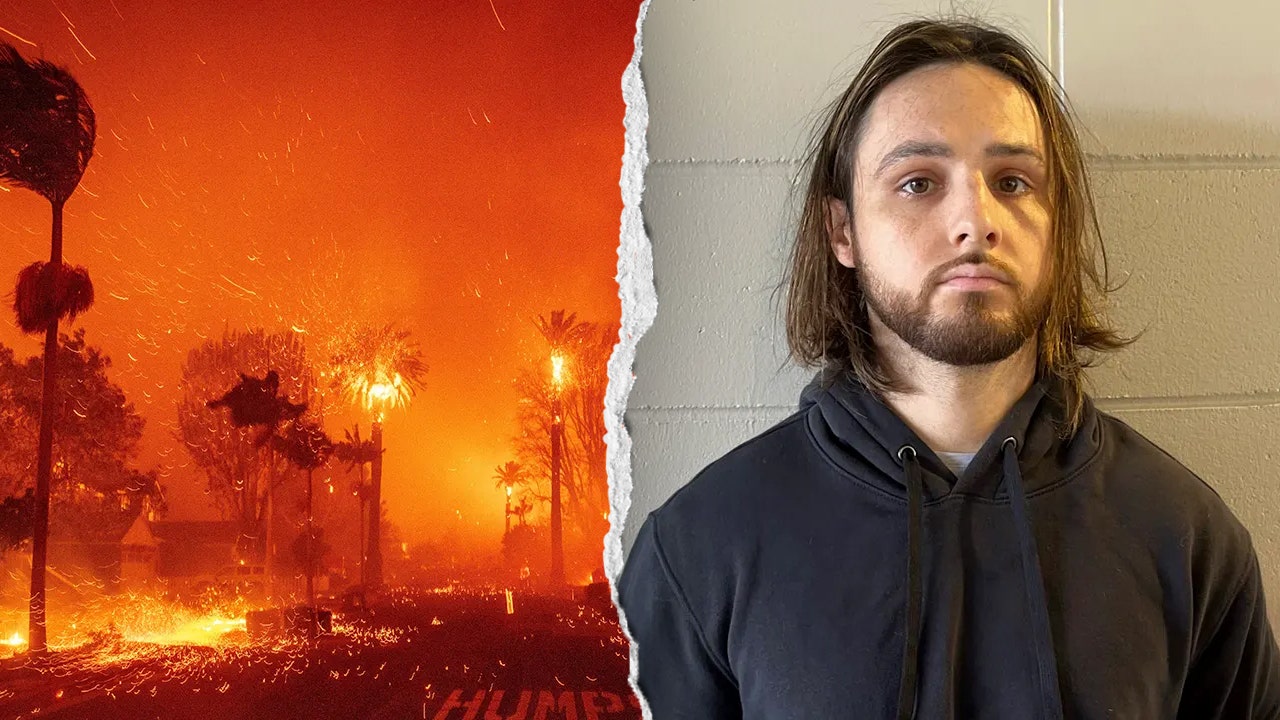
A federal jury in Los Angeles convicted Jonathan Rinderknecht on Friday of two arson counts for starting the Lachman Fire on January 1, 2025, a blaze that smoldered underground for six days before Santa Ana winds drove it into the Palisades Fire, the most destructive wildfire in Los Angeles city history.
The verdict came after roughly two and a half days of deliberation. It caps a retrial that began November 4 before U.S. District Judge Anne Hwang. Rinderknecht, 30, a former Uber driver with dual U.S.–French citizenship, faces a statutory minimum of five years and up to 40 years in federal prison. Sentencing is set for March 17, 2027.
Hung Jury Ends in Conviction
The first trial collapsed in June when jurors deadlocked 10–2 for acquittal. Prosecutors dropped a third count — illegal burning of timber — and narrowed the remaining two charges. The first count now covers only the initial Lachman Fire.
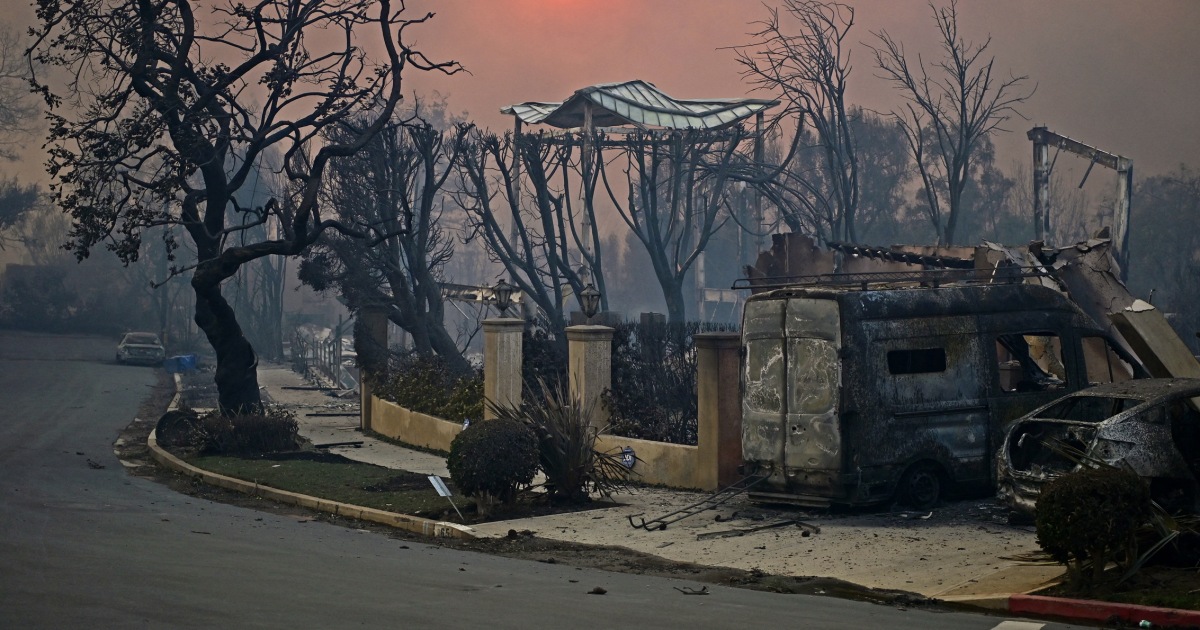
The second still ties Rinderknecht to the full Palisades Fire, which killed 12 people, destroyed more than 6,800 structures across Pacific Palisades and Malibu, and caused damage estimated at $25 billion by the U.S. Attorney’s Office, though other filings cited a range of $35 billion to $150 billion.
First Assistant U.S. Attorney Bill Essayli told reporters the revised indictment aimed to persuade jurors who might have hesitated to hold Rinderknecht responsible for the larger conflagration. “The question at the time was who is responsible. And now we have the answer to that question,” Essayli said after the verdict.
Digital Trail and Fire Science Build the Case
Prosecutors built the retrial around cellphone location data, surveillance footage, and fire investigation findings. Assistant U.S. Attorney Mark Williams said fire-alert cameras showed the Lachman Fire igniting with no other vehicles or pedestrians approaching the area beforehand. Location data placed Rinderknecht near the hillside at that time. Images showed his vehicle parked at the base of a trail leading to the ignition point.
Investigators also introduced ChatGPT search records from Rinderknecht’s phone. While calling 911 to report the fire, he asked the AI whether a person could be at fault for starting a fire with a cigarette.
Prosecutors argued the query was part of an alibi-building effort. A barbecue lighter found in his car — not at the fire scene — was presented as the likely ignition source. ATF testing later showed it could have started the blaze.

Defense Blames Fireworks and a Compromised Scene
Defense attorney Steve Haney maintained throughout both trials that New Year’s Eve fireworks, not his client, sparked the Lachman Fire.
He argued the origin area was accessible to the public for six days before the Palisades Fire erupted, calling it “six days of anyone and everyone walking across the spot the government now calls a crime scene.” A retired fire investigator testified for the defense that the fire’s origin differed from the government’s conclusion.
The defense sought to introduce testimony from a veteran fire investigator who said he photographed alleged fireworks marks in the driveway of Chris Bosh’s $11 million mansion near the ignition zone. The judge excluded that witness. Prosecutors dismissed the fireworks theory as baseless, noting that thousands of camera images from the night showed no fireworks above the hill where the fire started.
A Juror’s Pivot
Outside the courthouse, a juror who identified himself only as Cameron said he initially leaned toward acquittal. “You know, no one else was on that hill that day, or that day or night, and (he) happened to be smoking, and because he happened to be smoking, he had a lighter,” Cameron said.

“Therefore, everything kind of started to point towards one conclusion, especially if there was no one else on that hill, no fireworks, no electronic or no lighting strikes, like nothing else underground that was found through the tests and investigations.”
Accountability Beyond the Verdict
The Palisades Fire burned 23,448 acres and was fully contained on January 31, 2025. It coincided with the Eaton Fire, which investigators attributed to electrical arcing on a Southern California Edison tower. Rinderknecht was the only person criminally charged in connection with either fire.
Keep reading

Michigan Supreme Court Declines Appeal on Clean Energy Zoning Law, Sets 2027 Arguments
The Michigan Supreme Court on Friday declined to hear an appeal from 79 local governments challenging the state's...

Mamdani Unveils Plan to Close Rikers Island by 2032, Pushing Past 2027 Deadline
NEW YORK — Mayor Zohran Mamdani on Friday unveiled a roadmap to close the Rikers Island jail complex...
Storms Threaten KC Current Watch Party Saturday; Cold Blast Follows for Chiefs Game
A warm, windy Friday gives way to a stormy Saturday evening across the Kansas City metro, with the...
Mamdani Unveils Plan to Close Rikers Island by 2032, Five Years Past Legal Deadline
Mayor Zohran Mamdani unveiled a roadmap Friday to close the Rikers Island jail complex by December 2032, pushing...