
Virginia will sit out the federal Education Freedom Tax Credit when it launches Jan. 1, reversing an opt-in that former Gov. Glenn Youngkin announced in his final weeks in office.
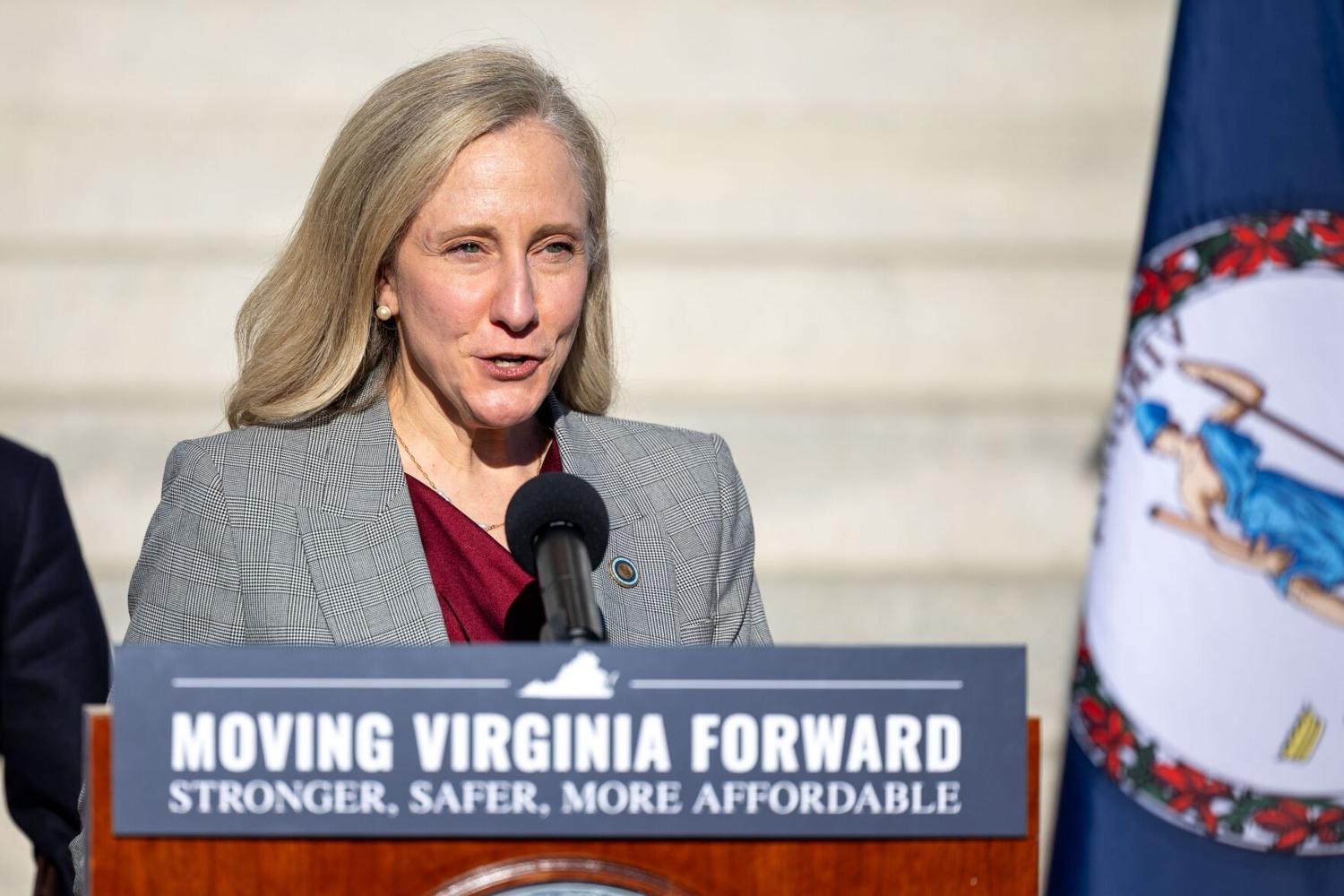
Gov. Abigail Spanberger’s office confirmed the withdrawal Monday, saying the administration had seen no evidence the program would benefit students in Virginia’s public schools. “Public money should go to public education,” a spokesperson said. The decision arrives as states face a Jan. 1 deadline to notify the IRS of their intent to participate and a Feb. 15 deadline to submit approved scholarship-granting organizations.
.@GovernorVA Spanberger claims to care about affordability, yet she's ripping $1.5 billion in education aid from VA families by opting out of the Education Freedom Tax Credit. She's appeasing teachers unions at the expense of the very kids she claims to care about. That's wrong. pic.twitter.com/s1uQLDqLsB
The program, created in the One Big Beautiful Bill Act signed by President Donald Trump in July 2025, offers donors a federal tax credit — up to $3,400 for married couples and $1,700 for single filers — for contributions to certified organizations that award scholarships for private-school tuition, tutoring, books and services for children with disabilities.
Youngkin, in a recent Fox News interview, said his administration had submitted the necessary paperwork and accused Spanberger of “taking billions of dollars out of Virginia families’ pockets.”
“All she has to do is hit a button,” Youngkin said.
IRS records reviewed by The Virginian-Pilot show Youngkin’s administration never completed the enrollment process. As of Nov. 13, the IRS listed 31 states — Virginia among them — that had signaled interest, though the list still excludes New York despite Gov. Kathy Hochul’s October pledge to opt in. Spanberger’s team said it had no intention of finishing the paperwork.
The Virginia Education Association praised the reversal, estimating that participation could have cost public schools $1 billion annually. “Ample evidence tells us that voucher programs are damaging to public schools and students, draining resources from already underfunded school systems,” VEA President Carol Bauer said in a statement Monday.
Republicans in the General Assembly announced Wednesday they would introduce legislation requiring the governor to enroll Virginia in the program. They argued the withdrawal denies families — both private- and public-school — access to educational resources.
The debate has already reached local boards. In Chesapeake, the teachers union petitioned the School Board in October to distance the district from the program, arguing the tax credit benefits families who need it least. The board declined the request, The Virginian-Pilot reported.
Steven Cheeseman, president and CEO of the National Catholic Educational Association, said Saturday he was “deeply disappointed” and “frankly shocked” by Virginia’s decision and urged Spanberger to reconsider.
All six had already opted into the federal credit, raising the question of whether more reversals will follow before the February deadline. For now, Virginia stands as the first state to pull back after signaling participation.

Needham Upsets Top-Seeded Concord-Carlisle Behind Laporte Hat Trick to Reach D1 Final
Needham junior Viv Laporte scored three goals for the third consecutive tournament game as the fourth-seeded Rockets upset...

USACE Boat Pilot Earns Secretary of Army Valor Award; Citation Credits Him With Saving Seven Lives
“Ken, your courage and judgment gave seven people the chance to reach safety,” Lt. Gen. William H. “Butch”...
Michigan Regulators Hold Detroit Workshop on Energy Costs and Assistance Access
Michigan utility regulators convened a public workshop in Detroit on Tuesday to hear directly from residents grappling with...
Father, Son Dead After Gasoline Fireplace Explosion Ignites House Fire Southwest of Lincoln
A father and son are dead after a gasoline-fueled explosion tore through their home southwest of Lincoln Wednesday...