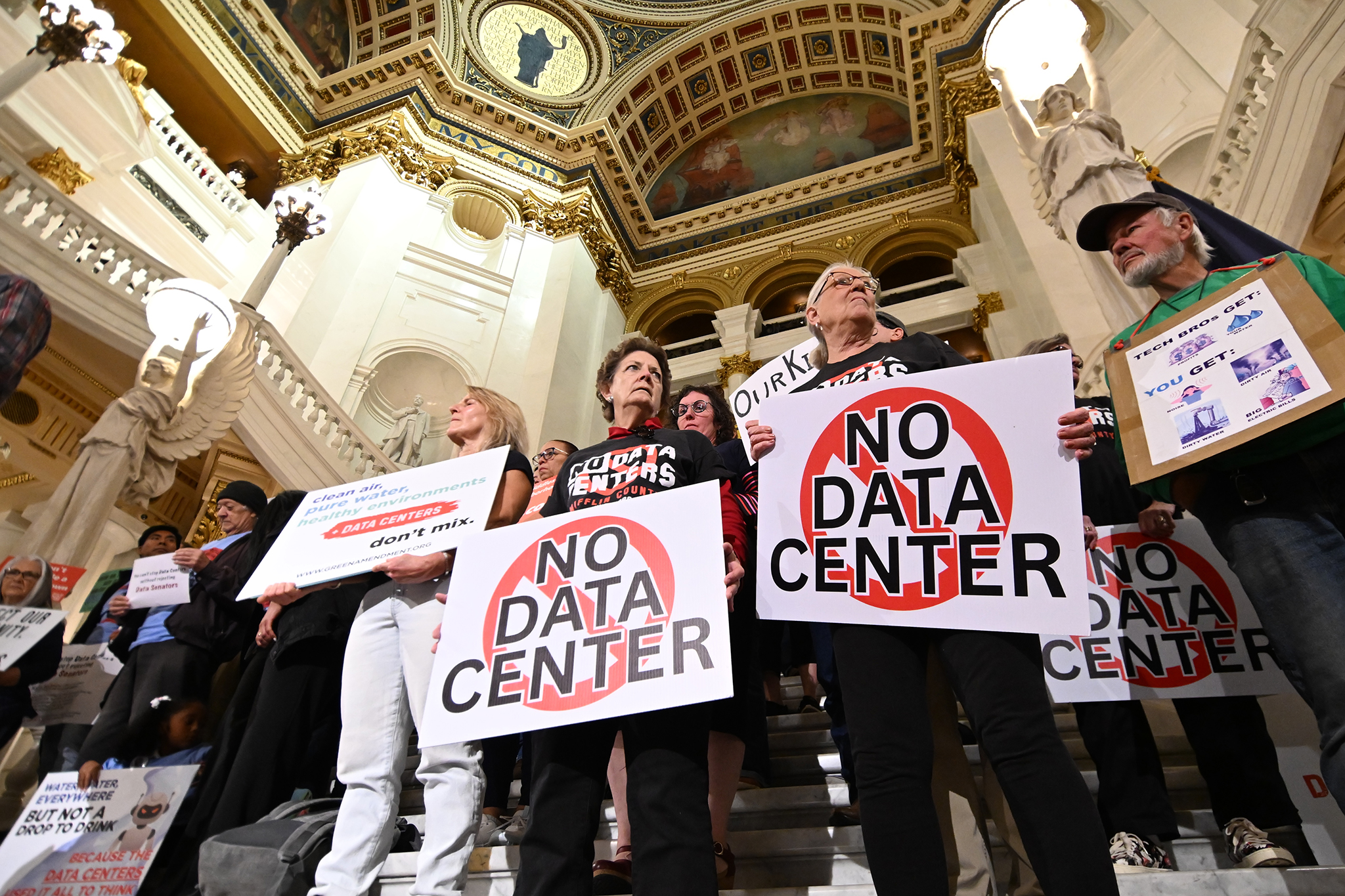
The Local Rebellion Against the Infrastructure of AI
When voters headed to the polls this past Tuesday, the political conversation was dominated by the shifting tides of national leadership. But beneath the headline-grabbing results of the election, a quiet, localized trend emerged: a sweeping rejection of the physical infrastructure required to power the artificial intelligence boom. Out of 41 ballot measures nationwide concerning data centers, Big Tech secured only one solitary win, as reported by SFGATE.
The scale of the pushback was broad, ranging from outright construction moratoriums to new zoning ordinances designed to limit the footprint of these massive facilities. In many communities, voters chose to implement rules requiring future public approval for any new data center proposals, effectively placing the brakes on an industry that has long operated with minimal local friction.
The lone victory for the tech sector occurred in Harwood, North Dakota, a town of approximately 800 residents. There, voters rejected a proposed law that would have mandated an independent review process for data center developments. Beyond that small victory, the trend was stark. Ten of the ballot measures served as advisory votes—essentially a temperature check on public opinion—and in each of those instances, opposition to data centers cleared the 70% threshold.
Residents Fear Rising Utility Costs and Strained Power Grids
The disconnect between the industry’s expansion plans and local sentiment is becoming an existential concern for tech companies. These facilities are not just quiet office buildings; they are energy-intensive industrial plants that require massive amounts of electricity and water to keep servers cool and running. For residents in the crosshairs of these developments, the primary fears center on the strain placed on local power grids and the potential for rising utility costs. This tension reached a boiling point in Monterey Park, where an incumbent city council member is currently locked in a razor-thin race against an anti-data center activist. The incumbent, who previously voted against a proposed facility, told the New York Times that he had viewed the project as a “much-desired anchor” for the local economy. The industry is clearly feeling the pressure. In a recent filing with the Securities and Exchange Commission, Anthropic explicitly warned potential investors that organized anti-data center movements could threaten its long-term value. Similarly, OpenAI CEO Sam Altman has spoken openly about the negative sentiment surrounding his industry, noting in a Time interview that he believes such backlash was a factor behind two security incidents at his San Francisco home earlier this year.
Tech Giants Launch Aggressive Public Relations Campaigns
Tech giants are now pivoting to aggressive public relations campaigns to change the narrative. Meta has begun recruiting for a “Data Center Content Manager” in San Francisco—a role offering a salary of up to $232,000—tasked with convincing communities to welcome these developments. Meanwhile, companies like OpenAI are attempting to rebrand the facilities as “compute campuses,” a clear effort to soften the industrial image of the centers.
The challenge, however, is deeply rooted in public perception. A Gallup poll conducted earlier this year found that 71% of Americans oppose the construction of data centers in their neighborhoods. Interestingly, that same survey indicated that Americans were far less concerned about the presence of nuclear power plants, suggesting that the public views data centers as a more disruptive or less beneficial neighbor than other forms of critical infrastructure.
Elon Musk, the nation’s largest political donor this cycle, acknowledged the shift in a post on X following the election. “Data centers in space looking pretty appealing right now,” he wrote, a comment highlighting the growing difficulty of finding space for these projects on the ground.
As the industry continues to scale, the question is no longer just about technical feasibility or corporate profit. It is about whether the digital economy can find a way to coexist with the communities that bear the physical cost of its growth. For now, the ballot box suggests that the public is not yet convinced the trade-off is worth the price.
Data centers in space looking pretty appealing right now
Keep reading

Shai Gilgeous-Alexander Powers Thunder to sweep Cavaliers
Shai Gilgeous-Alexander Powers Thunder to Sweep Over Cavaliers The Oklahoma City Thunder cemented their dominance over the Cleveland...

Kolby Allard Elected Free Agency After Phillies Tenure
Kolby Allard Departs Philadelphia Phillies as Offseason Roster Shuffle Begins The Philadelphia Phillies’ organization saw a shift in...

For college basketball fans looking to catch the Portland State versus Seattle University matchup
The Cost of Accessing Portland State vs. Seattle U on Disney+ For college basketball fans looking to catch...

Brooklyn Pudwill records over 200 kills in WDA volleyball season
Brooklyn Pudwill and the Legacy Volleyball Postseason Push With the postseason looming, Legacy High School volleyball standout Brooklyn...