
Voters Pass I-638 as Washington State Prepares for Legal Battles Over K-12 Athletics
Washington state voters have approved a ballot measure restricting K-12 girls’ sports to students defined as biologically male, setting up an immediate legal clash as the Washington State Democratic Party signals support for court challenges against the new rule.
Initiative 638 cleared the ballot with roughly 56.6% support, according to Associated Press results reported by Axios, and is scheduled to take effect on December 3, pending final election certification. The measure requires students seeking to compete in female-only sports to submit a health examination form or other verification from a healthcare provider based on reproductive anatomy, genetic makeup, or normal endogenously produced testosterone levels. Washington would be one of the first states to require medical testing to verify birth sex for youth sports.
The political fallout arrived swiftly. Shasti Conrad, chair of the Washington State Democratic Party, issued a statement calling the voter-approved measure unconstitutional on its face. While the state party clarified to OutKick that its own organization will not be the entity filing the lawsuit, Conrad confirmed that the party supports outside groups planning to challenge the initiative in court.
“While this result is incredibly disheartening, voters in Washington and nation-wide rejected anti-trans candidates up and down the ballot. The fight over I-638 is just beginning. We believe this initiative is unconstitutional on its face and support organizations planning to challenge it in court.”
Conrad stated on November 5, adding that the policy undoes protections enacted in Washington state law twenty years ago.

Diverging Views on Medical Verification and Fairness
Proponents of the measure, led by the advocacy group Let’s Go Washington, framed the election outcome as a necessary step to protect competitive fairness. In an emailed statement, the group celebrated the early lead, stating that the vote represents a victory for girls who have been told time and again by the majority party that their voices and opportunities don’t matter.
Under current rules, the Washington Interscholastic Activities Association has said it knows of around 10 trans kids playing school sports in the state. Under I-638, those students would no longer be permitted to compete on teams consistent with their gender identity.
Opponents, including the campaign organization No Hate in Washington State, argued that the measure marginalizes transgender youth and imposes invasive administrative burdens. Campaign manager Libby Watson warned that the initiative could discourage female athletic participation overall by subjecting all girls to potential medical inquiries. While the initiative does not explicitly mandate genital exams—and Let’s Go Washington maintains that providers can rely on existing medical records—critics remain concerned about implementation.
Friction Points Across Local Districts
The ballot measure follows a series of high-profile local disputes that heightened public attention ahead of the vote. In Camas, roughly a dozen girls on the high school cross-country team walked off before a race to protest a transgender teammate who had previously competed in the boys’ category.
Legal and administrative battles have also surfaced elsewhere in the state. A Puyallup student identified in court filings as K.M.K. sued state and school officials following an alleged assault by a transgender opponent during a December 2025 wrestling match. The family’s request for emergency relief remained pending on the U.S. Supreme Court docket as of November 3. Separately, a February 2025 girls’ basketball game in Tumwater drew a Title IX inquiry from the U.S. Department of Education after player Frances Staudt sat out a game against Shelton over the participation of a transgender student.
As election certification proceeds, organizations such as the Gender Justice League are evaluating legal options to block the measure before its December implementation date.
Keep reading

Arkansas vs. Virginia Prediction: Top-15 Showdown and Key Takeaways
Arkansas Faces No. 10 Virginia in Washington D.C. Showdown The No. 13 Arkansas Razorbacks travel to face No....
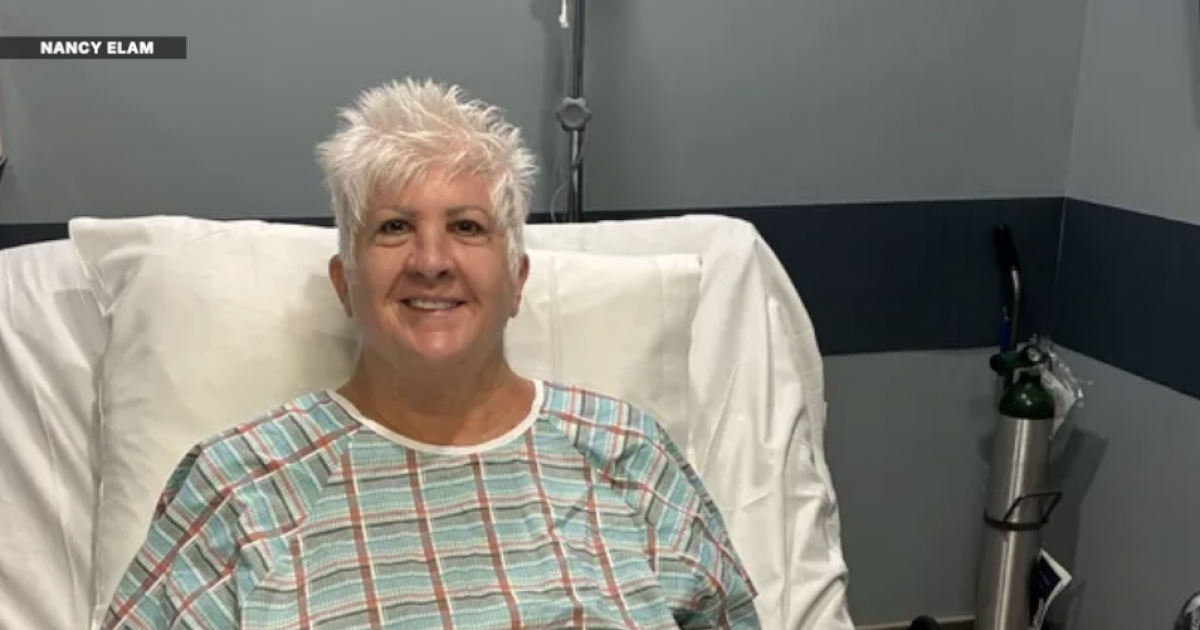
Community Rallies Around Trailblazing Former Phoenix Officer Fighting Cancer
Nancy Elam Faces Cancer Battle as Community Rallies Around Trailblazing Former Phoenix Officer When Nancy Elam stepped onto...

Alaska VA Healthcare System Transitions to Federal Electronic Health Record System
Alaska VA Healthcare Transitions to Federal Electronic Health Record After Three Decades For thirty years, medical records for...

Best Alabama Nursing Homes Identified in Newsweek 2027 Rankings
Alabama’s top nursing homes for 2027 Families searching for long-term care across the state now have a fresh...