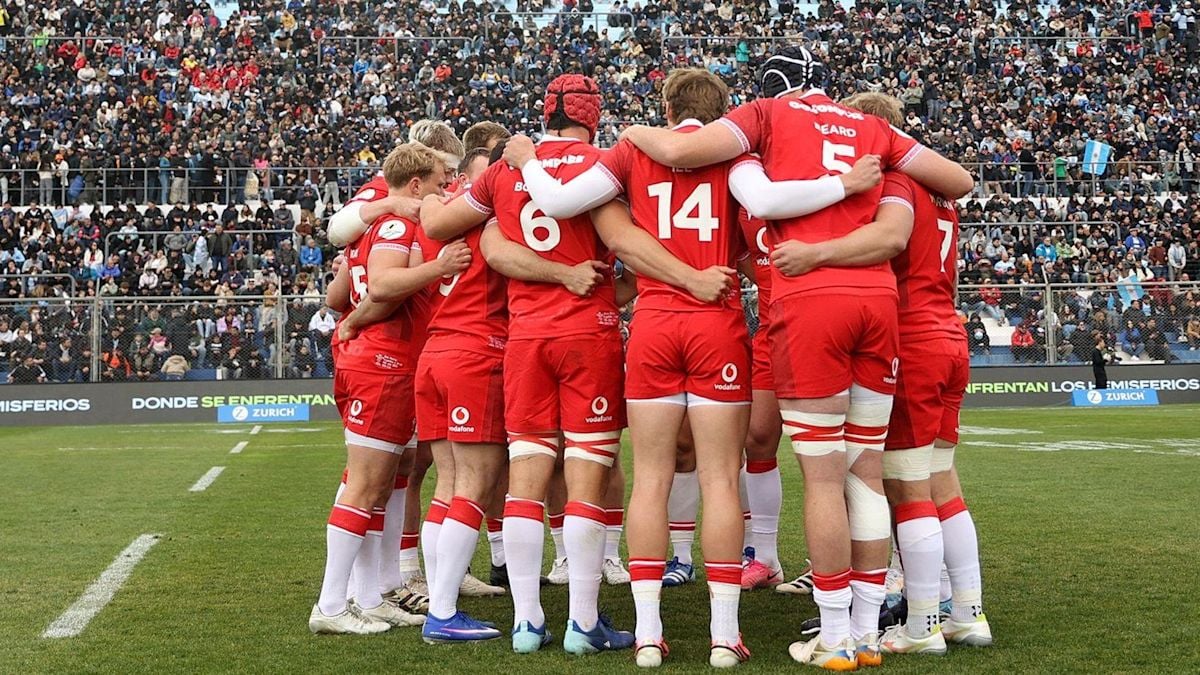
Wales enters the international autumn window sitting fifth in the northern hemisphere standings ahead of four upcoming home fixtures. The squad prepares to face Japan, New Zealand, and Australia in Cardiff amid ongoing domestic financial pressures and uncertainty over regional rugby structures.
The autumn international window arrives with substantial financial and sporting stakes for Welsh rugby. Steve Tandy’s side prepares to host three major fixtures in Cardiff before concluding the November schedule with a play-off match at the Allianz Stadium in Twickenham. These tests serve as a critical stepping stone on the road to the 2027 World Cup in Australia, offering the national team a chance to test combinations against elite southern hemisphere opponents.
Mixed July Campaign Sets the Stage for Cardiff Tests
Wales resumes its campaign in fifth place in the northern hemisphere standings following a turbulent July schedule in the inaugural Nations Championship. The summer series opened with an encouraging victory against Fiji at the Cardiff City Stadium, which served as a home venue for the Pacific Islanders. However, the squad faltered during a demanding travel schedule that included a defeat to Argentina in San Juan and a heavy loss to South Africa in Durban.
Wales’ Nations Championship campaign starts against Fiji on Saturday 🏉How many games do you think Wales win? 🤔 pic.twitter.com/TpUEQ5HODB
— https://x.com/BBCScrumV/status/2072232488991387980
The upcoming schedule begins with a home fixture against Eddie Jones’ Japan side at the Principality Stadium. The tests will intensify significantly when New Zealand arrives in Cardiff on November 14, followed by a fixture against Australia a week later. The opening match against Japan mirrors a previous encounter that saw Wales secure a narrow 24-23 victory against Japan 12 months ago.
Squad Selections and Key Absences for Autumn Fixtures
Head coach Steve Tandy named a 39-strong group for the November tests, returning the captaincy to hooker Dewi Lake. The roster features first-time call-ups under Tandy’s tenure, including uncapped Dragons duo Aneurin Owen and Che Hope, alongside Cardiff prop Rhys Barrett. Dragons lock Seb Davies and Cardiff number eight Taine Basham also earned recalls to the national side.

At the same time, injuries sidelined several prominent squad members. Leicester flanker Tommy Reffell and scrum-half Kieran Hardy are absent, alongside veteran number eight Taulupe Faletau. A wing initially recalled for the autumn matches was forced to withdraw due to a hamstring injury, opening the door for an uncapped Scarlets back to join the group. Squad composition continues to reflect the broader economic reality of the sport in the region, with 15 selected players based outside of Wales, including 14 in England and one in France.
Financial Pressures and Ticket Sales at the Principality Stadium
Attendance figures over the coming weeks will test whether recent turmoil in Welsh domestic rugby has dented supporter engagement. Ticket sales carry immense weight for the governing body because gate receipts form more than 50 percent of the organization’s annual turnover. The financial stability of the union is under acute pressure following the announcement of an £18 million loss earlier this month.
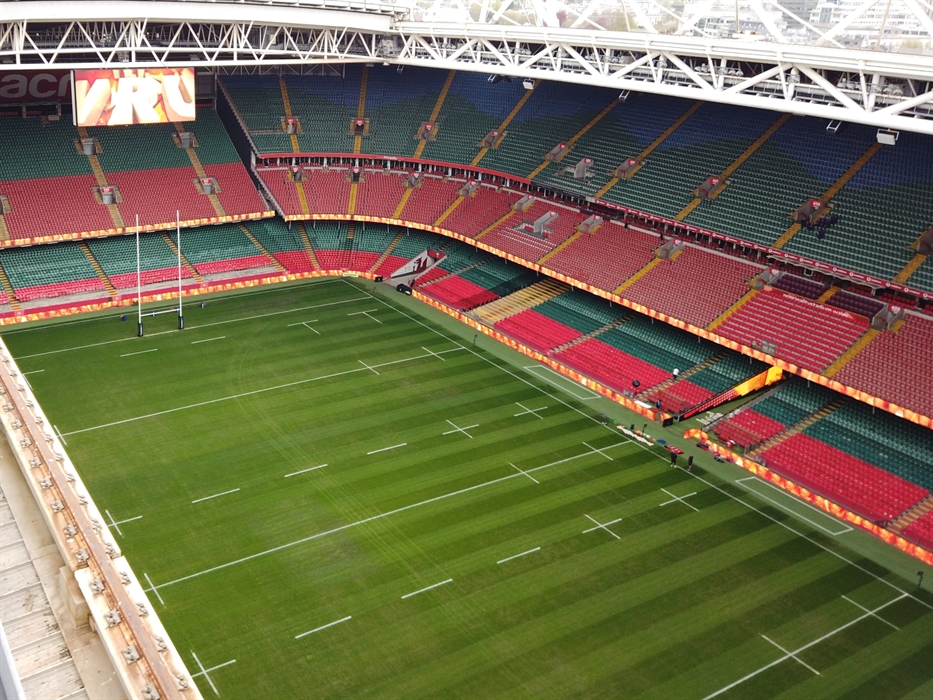
Early ticket availability on the governing body’s website suggests potential empty seats across the autumn fixtures. While a sellout remains expected for the All Blacks clash due to a favorable Saturday mid-afternoon kickoff, the late evening start against Australia presents a distinct commercial hurdle. These matches unfold against a backdrop of prolonged domestic uncertainty, as the WRU maintains its policy regarding the potential cutting of regional franchises by 2028.
Twickenham Play-off Format and the Hemisphere Title Race
The tournament concludes with a three-day play-off event at Twickenham, where northern and southern hemisphere teams meet based on final standings. The sixth-ranked team from the north plays its southern counterpart, with fixtures continuing up to a final match between the two top-ranked sides to crown the inaugural champion. Alongside the main standings, a parallel, Ryder Cup-style format awards points for each match to decide a collective hemisphere title, adding further prestige to the closing weekend.

Manchester United Face Relegation Risk After Chelsea Defeat
Manchester United currently sit 17th in the Premier League after a 2-0 defeat to Chelsea, leaving them just...

West Midlands Families Say Budget Energy Support Is Not Enough
Households in the West Midlands are calling for government intervention on energy bills following the recent Budget, arguing...

By the numbers: Barcelona’s attacking deluge unprecedented in 86 years
Barcelona has stormed through 11 competitive matches in the 2026-27 season with 48 goals, averaging 4.3 per game...

Sheffield United and Wrexham Rivalry Intensifies Ahead of Bramall Lane Clash
Just two points separate Sheffield United and Wrexham ahead of their Championship clash at Bramall Lane on Friday...