
Washington’s top utility regulator is weighing double-digit rate increases sought by two major utilities as they face rising costs for infrastructure, wildfire prevention, and the clean energy transition.
- Puget Sound Energy is seeking a nearly 30% cumulative rate hike over three years, with a decision due Dec. 15.
- Avista is requesting a nearly 27% increase over four years, with a decision due Jan. 27.
- Both utilities are seeking double-digit increases in 2027.
- The commission has not received any petitions for relief from the state’s clean energy law.
The requested increases come as the state grapples with a surge in electricity consumption, driven by the electrification of transportation and residential heating, as well as a rapid expansion of energy-intensive data centers and AI computing facilities, newzly.net reported.
Puget Sound Energy’s proposed rate increases would raise a typical residential customer’s bill from approximately $159 now to $210 by 2029, an additional $50 each month, according to chronline.com. In 2020, PSE charged about 9 cents per kilowatt-hour for the first 600 kilowatt-hours of residential electricity, a figure that had climbed to about 15 cents by 2026.
Utilities attribute the necessary rate hikes to modernizing aging distribution networks, hardening lines against catastrophic wildfires, and complying with the state’s Clean Energy Transformation Act, which requires a transition to 100% clean electricity by 2045, newzly.net reported.

Puget Sound Energy estimates its added cost of compliance at approximately $820 million for 2022-25 and reports its annual power-supply costs increased from roughly $750 million in 2019 to about $2 billion, chronline.com reported.
Utilities and Transportation Commission Chair Brian Rybarik recommends fully utilizing current grid capabilities via energy efficiency, battery storage, and demand management before authorizing expensive grid expansions.
“Let’s really make sure we’ve done everything we can to utilize the grid we have,” Rybarik told TVW’s Inside Olympia, as reported by Washington State Standard and yahoo.com.

A draft commission policy would mandate that “large load” electricity consumers, such as data centers, bear the costs of new infrastructure, enhance demand forecasting, and interact with communities and tribes. Rybarik prefers having data centers fund their expansion rather than implementing a halt on development.
While both publicly owned and investor-owned utilities must meet state clean energy standards, publicly owned utilities benefit from preferential access to relatively inexpensive federal hydropower, giving them a more direct path to meeting the mandates, Rybarik said.
The commission oversees investor-owned utilities’ rates, infrastructure investments, and the recovery of costs associated with the Climate Commitment Act.
Heading into the 2027 legislative session, Rybarik wants lawmakers to expand energy assistance for low-income households but cautioned that legislatively imposed limits on utility returns could compromise regulatory independence. While supporting Washington’s ambitious clean energy goals, he said decisions about changing compliance deadlines ultimately rest with lawmakers. reported.
Related reading
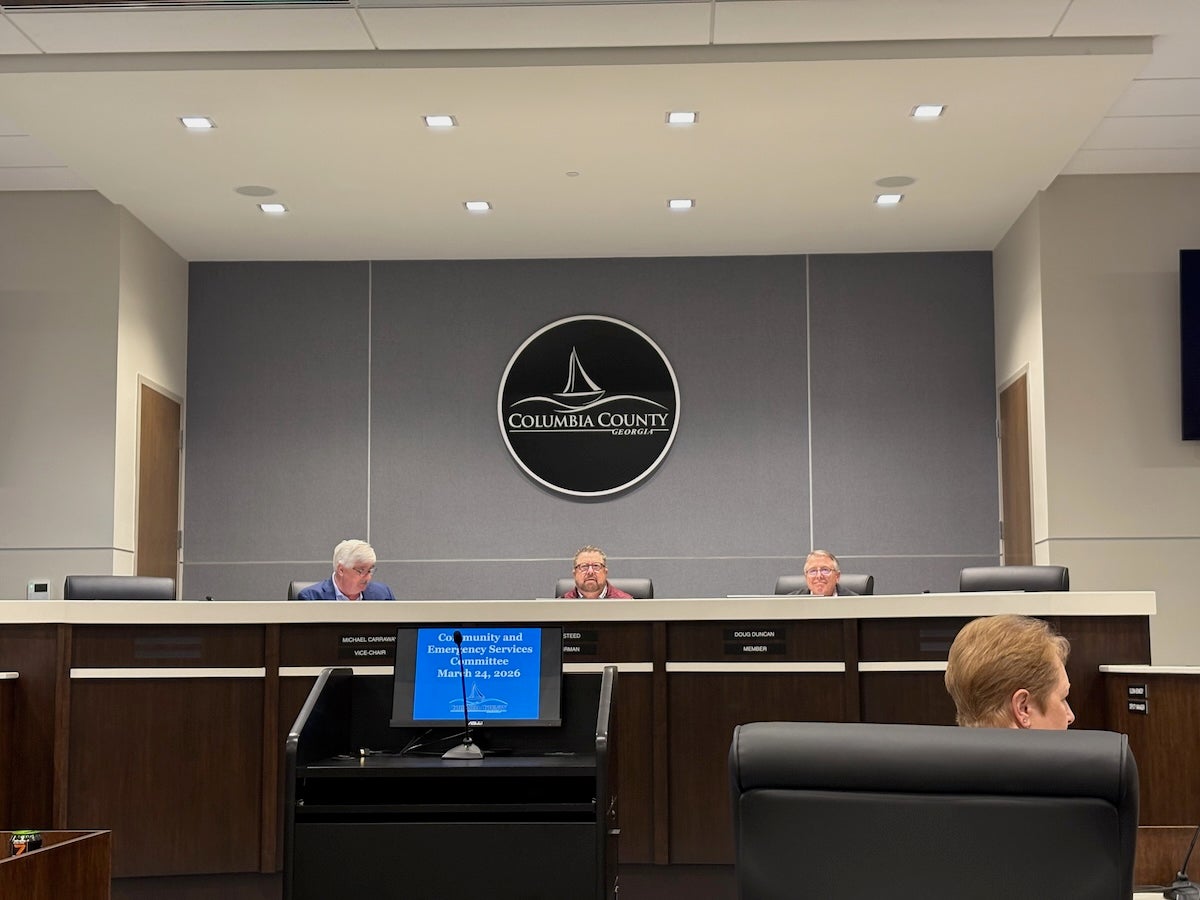
Columbia County Committee Rejects Data Center Moratorium in Favor of Ordinance Rewrite
A Columbia County committee voted unanimously this week to reject a one-year moratorium on data center development and...
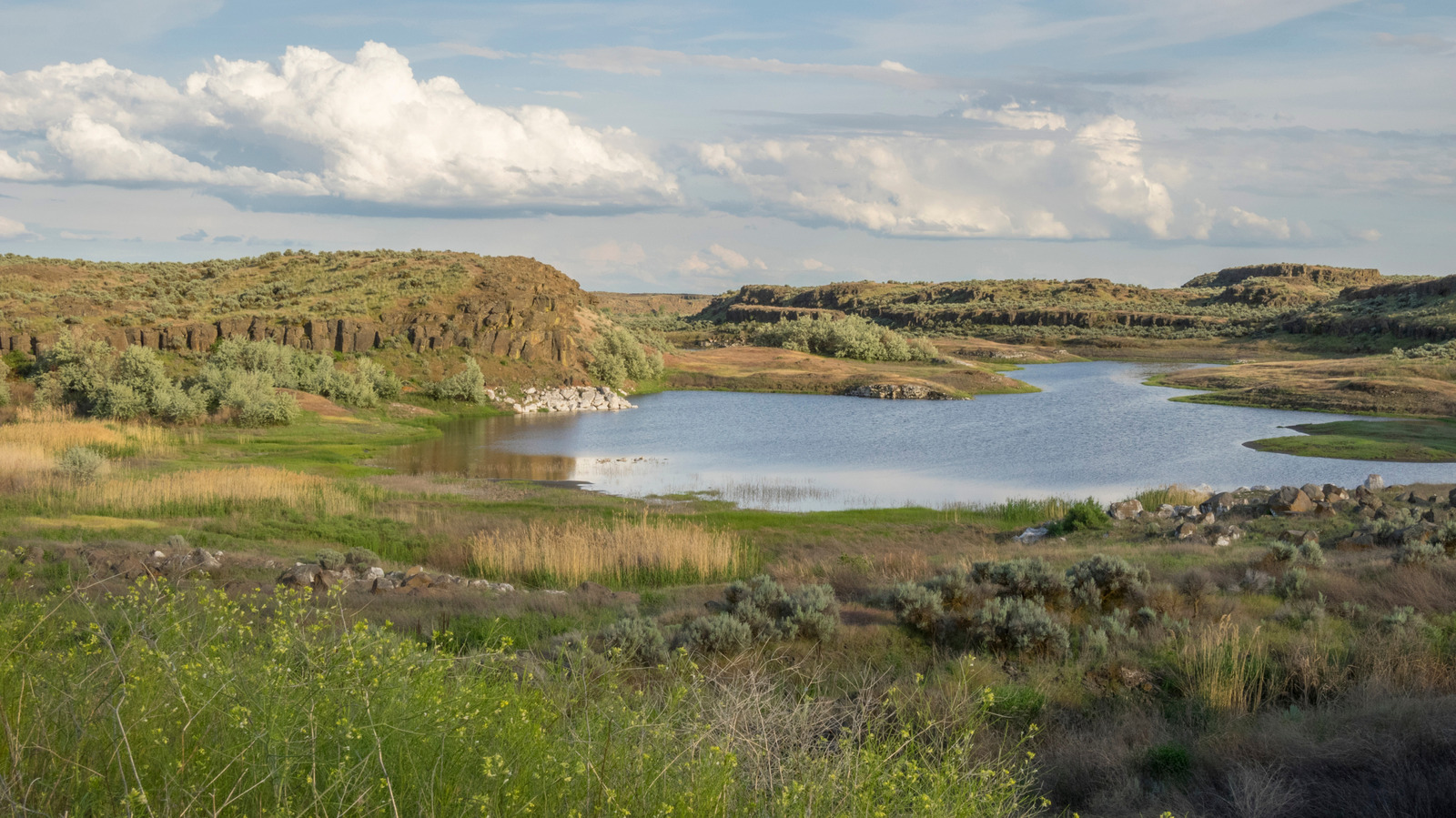
Othello Eastern Washington Desert Hub for Outdoor Adventure and Farm-to-Table Dining
Eastern Washington’s Othello emerges as a desert hub for outdoor adventure and farm-to-table dining. Known as the “French...

MGoBlog Published punt-Counterpunt Preview for 2026 Michigan-Ohio State Game
MGoBlog published a "Punt-Counterpunt" preview for the 2026 Michigan-Ohio State football game on Friday, featuring dueling columns that...

Jaguars List Six Offensive Linemen on Injury Report for Week 12
Jacksonville’s offensive line enters Week 12 with six linemen on the injury report, a depth crisis that could...