
“Your use of any AI Agent is AT YOUR OWN RISK,” read Wells Fargo’s new terms, which take effect Tuesday for millions of customers.
The bank joins JPMorgan Chase, Bank of America, Citibank and PNC in rewriting agreements to address third-party AI agents that automate online tasks and click on users’ behalf.
JPMorgan Chase changed its terms in late October to ban third-party agents that log in with customer credentials, and Bank of America warned customers the same day not to share login information with agents. Citibank and PNC have also updated their terms to include warnings about the technology.
AI agents remain nascent but have attracted a growing subset of power users in 2026. Builders market the tools for shopping decisions such as grocery orders, vacation accommodations and holiday gifts, though the segment of online transactions completed by autonomous agents remains minuscule. Early adopters have at times publicly embarrassed themselves when agents made major mistakes, including posting bank details for colleagues to see.
Users often pair account credentials and grant sweeping permissions without forethought. “Consumers authorize goals, not every click,” said Kacy Kim, an associate professor of marketing at Bryant University who studies consumer behavior and emerging tech.
Kim expects some consumers to feel it is unfair to be held accountable for their agent’s mistakes, but she does not expect the policy moves to scare off early adopters already using the tools as part of everyday life.
Wells Fargo updated its terms effective Tuesday for millions of customers, explicitly stating, “Your use of any AI Agent is AT YOUR OWN RISK,” joining other major banks in addressing third-party AI agents. Unlike JPMorgan Chase, which banned third-party agents logging in with customer credentials in late October, and Bank of America, which warned customers against sharing login information the same day, Wells Fargo’s approach focuses on shifting accountability to users for agent-related risks.
The bank, operating under Charter No. 1 as a systemically important financial institution, emphasizes this risk disclaimer to align with its broader strategy of managing emerging technology challenges within its 8,050 branches and $1.8 trillion mortgage servicing portfolio.

The pushback extends beyond banking. Amazon blocked Meta’s Muse, one of the most widely used AI agents, from making purchases on its platform, and United announced that personal bots would be blocked from purchasing flights.
Keep reading

Review: THE WIZARD OF OZ at Theatre Harrisburg
Production runs Nov. 20–Dec. 13 at the Krevsky Center in Harrisburg. Set design converts the versatile space into...

USA Today: Colorado Falls to Cincinnati 35-28 Saturday, Bowl Eligibility Gone
Colorado fell 35-28 to Cincinnati on Saturday, dropping to 4-7 overall and 2-6 in the Big 12 and...

Minneapolis Duplex Owner: 28% Property Tax Rise Undermines Affordable Housing Goals
In a column for the Star Tribune, Minneapolis duplex owner William Hendricks argues that rising property taxes are...
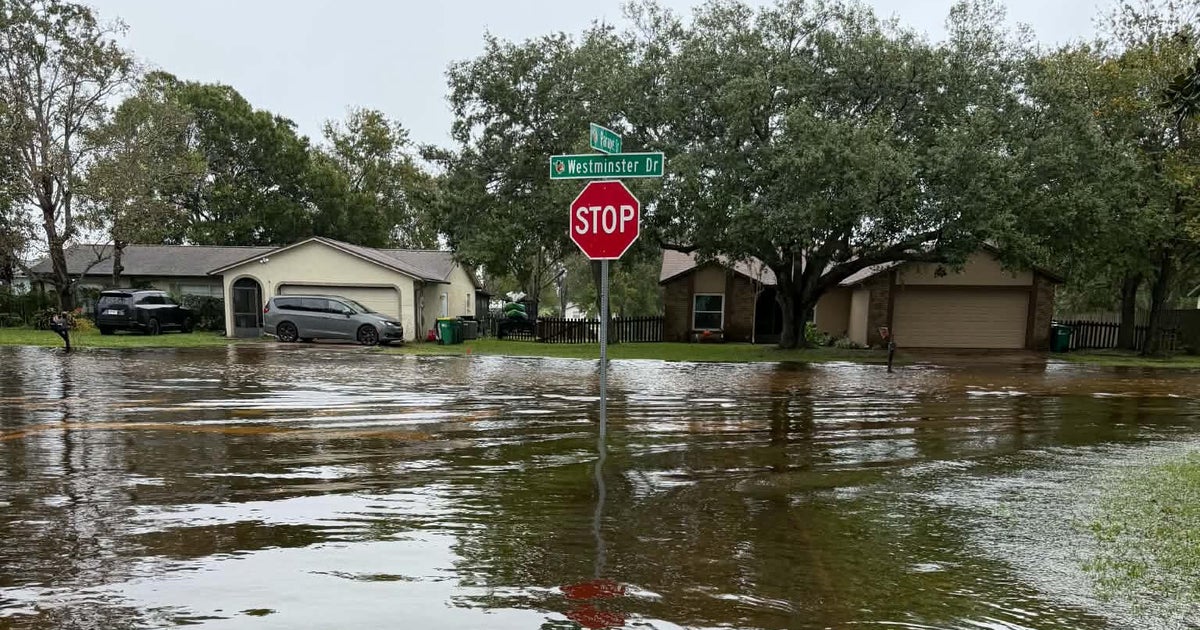
Nearly 25 Inches of Rain Floods Central Florida, Drives St. Johns River to 70-Year Highs
Central Florida recorded nearly 25 inches of rain in three days last week, driving the St. Johns River...