
A new study challenges the standard five-year cutoff for lung cancer surveillance, finding that chest CT scans beyond that point were associated with lower mortality — though the authors and outside experts caution the signal likely reflects who gets scanned, not the scan itself.
Researchers at Samsung Medical Center analyzed Korean national data on 55,694 people alive and recurrence-free five years after a lung cancer diagnosis.
Scanned patients had a higher rate of lung cancer events detected — 2.49% versus 1.97% per year — and more surgical resections when an event was found. All-cause mortality was 34% lower in the scanned group (hazard ratio 0.66). But the absolute difference was small: about 1.7 fewer deaths per 100 person-years, against only 0.5 extra events detected per 100 person-years.
“The mortality signal is too large to be explained by scanning alone,” said Matthew Evison, professor of respiratory medicine at the University of Manchester and a consultant respiratory physician at Wythenshawe Hospital, Manchester University NHS Foundation Trust. “Scanned patients had about 1.7 fewer deaths per 100 person-years, but only about 0.5 extra events detected. That points to healthier, more engaged patients being the ones who get scanned, as the authors acknowledge.”
The strongest associations appeared in women, never-smokers and older adults — groups that in the UK fall outside lung cancer screening once hospital follow-up ends. Evison noted these are also populations in which indolent, slow-growing disease is common in East Asian cohorts, raising the possibility of overdiagnosis.
“The risk doesn’t go away,” Evison said. “Around 2% of long-term survivors per year develop a new lung cancer event, years after many of us discharge them.”
The study, published in JAMA Oncology, is hypothesis-generating, not practice-changing, Evison emphasized. “We need consensus, and ideally a trial,” Evison said.
Worth a look

Milkita Factory Fire: 24 Body Bags Recovered, 37 Missing, Search Resumes Monday
Fire broke out Saturday at 5 p.m. local time at the Milkita factory in Serang district, Banten province....

HSE Chief and Health Minister to Miss CUH Crisis Talks as Taoiseach Meets Alone
Neither the HSE chief executive nor the Minister for Health will attend crisis talks at Cork University Hospital...

New Draft Deal Aims to Avert Collapse of Talks at COP31 Climate Summit
UN climate talks in Antalya collapsed on Sunday after the European Union rejected a final draft that omitted...
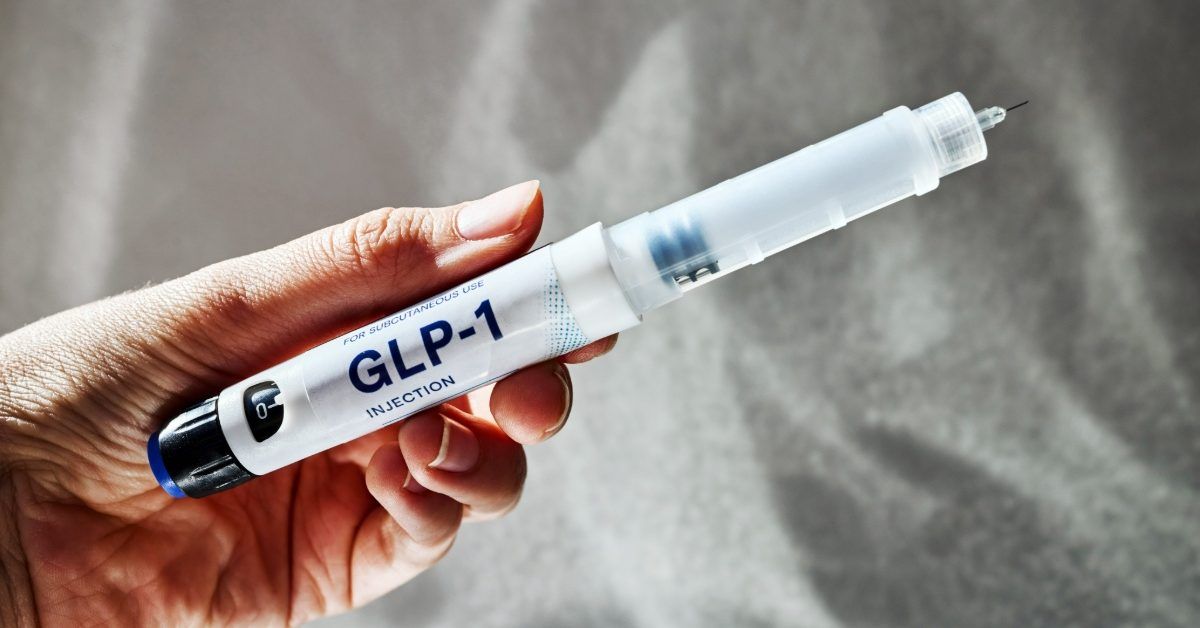
Science Review Links GLP-1 Drugs to Lower Dementia Risk; Alzheimer’s Trials Show No Benefit
Science review evaluated GLP-1 drugs’ brain effects across aging, cardiometabolic disease and Alzheimer’s. Observational data tie semaglutide and...