
Wendy’s Rejects $1.4 Billion Buyout, Activates ‘Poison Pill’ Defense
Wendy’s rejected a $1.4 billion buyout offer from activist investor Nelson Peltz, saying the bid was too low and adopted a “poison pill” plan to make a hostile takeover more difficult, according to Boston Herald. The fast-food giant, which has been grappling with high beef prices and aging stores, made the clear rejection on Thursday, signaling its intent to pursue its own turnaround plan under CEO Bob Wright.
The situation pits Wendy’s leadership against a well-known activist investor, with the company’s future trajectory hanging in the balance. Wright, who joined the company in May from Potbelly, told investors during a conference call that he is confident in the company’s strategy to restore its full potential and drive shareholder value. This comes as Wendy’s reported better-than-expected third-quarter performance, a fact that sent its shares up more than 2% on Thursday.
Why the $1.4 Billion Offer Was Rejected
In a statement, Wendy’s said a committee of independent directors unanimously rejected Peltz’s offer because it “substantially undervalues” the company. The sentiment was echoed by Wright, who pointed to the progress Wendy’s is already making. “We’re confident that we have the right strategy, execution and resources to restore Wendy’s to its full potential and drive meaningful shareholder value,” he said.
Peltz, however, painted a different picture of the fast-food landscape. Through his Trian Fund Management, which already holds a 16.3% stake in the company, he argued that the industry is facing unprecedented challenges. “The fast-food landscape had become increasingly challenging, with consumers under pressure, intensifying competition and persistent inflation,” Peltz said, insisting his offer was the best path forward for shareholders.
The ‘Poison Pill’ Plan Explained
To make its rejection more than just a statement, Wendy’s announced it has adopted a shareholders’ rights plan, commonly known as a “poison pill.” This defensive maneuver is designed to make a hostile takeover prohibitively expensive. The plan grants all shareholders except the hostile bidder the right to purchase additional shares at a discounted price. It automatically kicks in if a person or group tries to acquire 15% or more of Wendy’s shares—a threshold Trian has already crossed by owning 16.3%.
The plan, which will remain in effect for one year, essentially dilutes the ownership of any potential acquirer, making it much more difficult and costly to gain control of the company. Wendy’s board is prepared to fight to protect its current strategy and leadership.
A Company in Transition
Wendy’s decision to reject the buyout is deeply intertwined with its ongoing efforts to restructure. The company has been aggressively closing underperforming U.S. restaurants to focus on its more profitable locations. It shuttered 240 restaurants in 2024 and announced plans to close up to 358 more in 2026, according to finance.yahoo.com. This is a significant retreat for a chain that once saw rapid growth.
Wendy’s Rejects $1.4 Billion Buyout Offer from Nelson Peltz’s Trian https://t.co/i0WBu5bOJF
This strategy has not been without its own turbulence. In September, one of Wendy’s largest U.S. franchisees, Michigan-based Meritage Hospitality Group, which operates 314 restaurants in 15 states, filed for bankruptcy protection shortly after the chain attempted to terminate its franchise agreement.
These challenges are part of a larger, troubling trend for the brand. Wendy’s share of the U.S. burger chain sales has slipped from 11.5% in 2019 to 10.4% last year, a clear sign that it is losing ground to competitors like In-N-Out and Five Guys. Founded in 1969 by Dave Thomas, Wendy’s built its brand on square burgers and Frosty desserts, introducing the drive-thru window in 1970 and going public in 1976. But its iconic “Where’s the beef?” ads of the 1980s are a distant memory as the company now fights to reclaim its market position.

Wendy’s board is betting on its own turnaround plan over the certainty of a buyout. This is a high-stakes gamble that the company’s current leadership can execute a successful revival.
What’s at Stake for Shareholders and Workers
For Wendy’s shareholders, the rejection of Peltz’s bid leaves them with a company in flux. They are now invested in the success of Wright’s turnaround plan, which involves store closures, potential menu innovation, and a renewed focus on operational efficiency. The company’s improved third-quarter results offer some hope, but the long-term challenge of competing in a saturated market remains.
For the company’s workforce and its franchisees, the stakes are equally high. The aggressive closure of hundreds of restaurants directly impacts employees and local economies. The bankruptcy of a major franchisee like Meritage adds a layer of uncertainty for the franchise model that Wendy’s relies upon. The question now is whether Wendy’s can streamline its operations effectively enough to not only survive but thrive in an increasingly competitive industry.
The fast-food giant is essentially telling Wall Street that it believes it can fix its own problems. By rejecting a $1.4 billion lifeline and arming itself with a poison pill, Wendy’s is betting that its future is brighter under its own direction than as part of an activist investor’s portfolio. The coming years will prove whether that confidence is justified or if this is simply a delaying tactic before a different, perhaps more aggressive, takeover attempt.
More on Out
Worth a look

Chicago Cubs: 2016 World Series 10-Year Anniversary, Bregman, Assad
In a column for Bleedcubbieblue, the author discusses methods to combat digital fatigue, including a personal curriculum and...

Indiana Man Jeffrey Weisheit Executed for Killing Two Children
Jeffrey Weisheit was executed early Thursday in Indiana for the 2010 murders of his girlfriend’s two children, CBS...
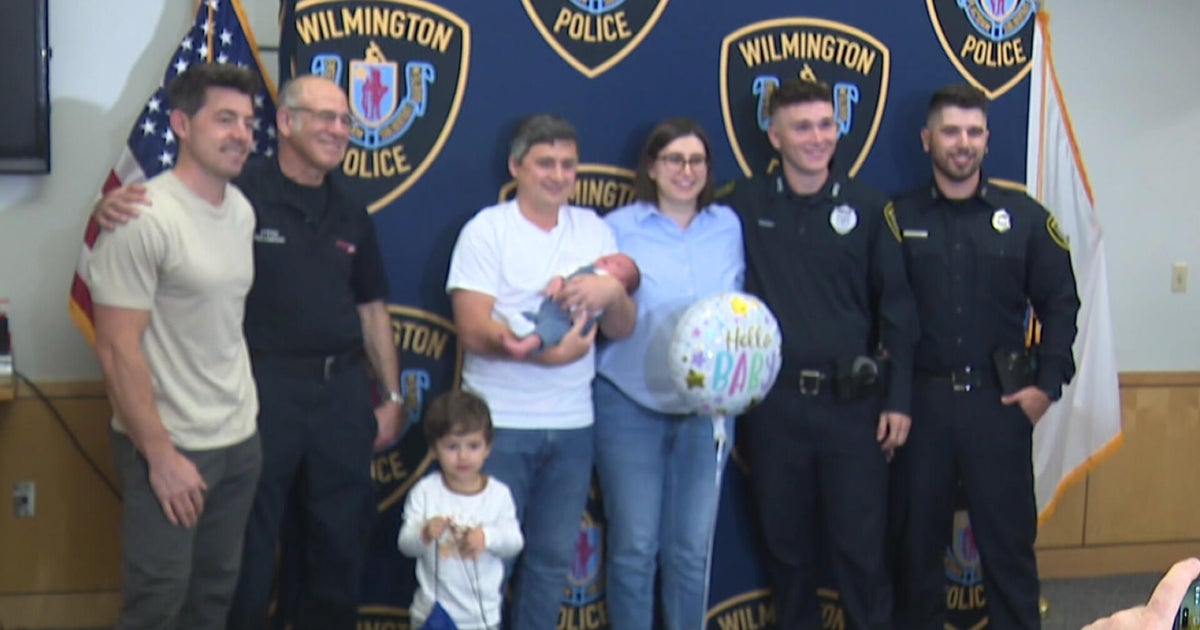
Wilmington Mother and Baby Reunite With Officer Who Helped Deliver Them
A Wilmington, Massachusetts, mother has reunited with the police officer who helped deliver her baby, creating a bond...
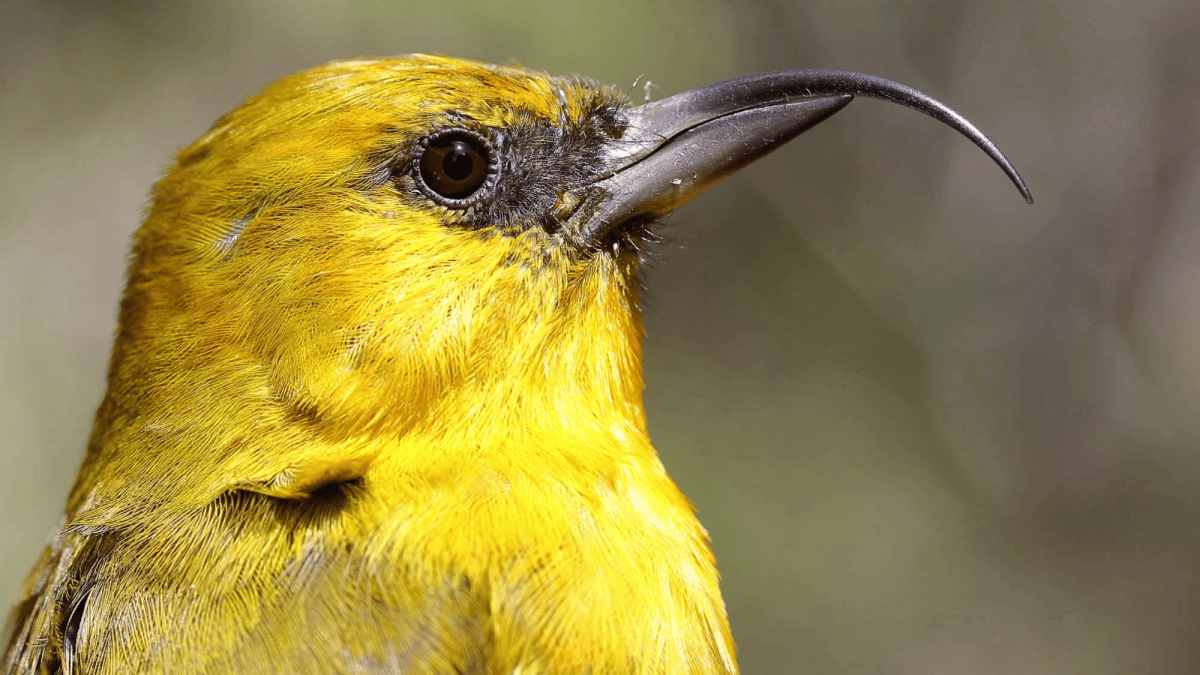
Clark’s Study Details the Unique Anatomy of the Akiapōlāʻau Bird
A Hawaiian Bird with a 'Frankensteined' Beak Is Showing Us How Evolution Really Works Picture a bird with...