Montgomery straps are pairs of adhesive strips placed on the skin on either side of a wound, featuring non-adhesive perforated edges used to secure a separate dressing in place by tying or lacing the edges together.
What exactly is a Montgomery strap, and how does it work?
When clinicians need to secure a wound dressing that requires frequent changes, ordinary surgical tape can cause significant skin trauma and discomfort from repeated removal and reapplication. A Montgomery strap solves this mechanical problem by acting as a dressing-securement device rather than a dressing itself.
As outlined in U.S. patent US 5,437,623, the system consists of adhesive strips secured to the skin at a predetermined distance from opposite sides of a wound. Each strip features a marginal non-adhesive perforated portion for lacing. A separate dressing sits right between these panels, held firmly in place by tying together the extensions from each side.
How do Montgomery straps compare to ordinary surgical tape?
The core utility of these retention systems lies in preserving skin integrity during routine medical care. Traditional surgical tape is stripped away from the patient’s skin during every single dressing change, which routinely triggers irritation, localized allergic reactions, or painful hair pulling.
By contrast, the adhesive panels of a Montgomery strap stay put on the patient’s skin across multiple changes. Only the central dressing and the lacing are adjusted or replaced. Manufacturers such as DeRoyal, which produces the Montgomery Straps Adhesive Retention Dressing under product code 46-5129, emphasize that this design minimizes mechanical trauma and eliminates the need to repeatedly peel tape off sensitive skin.
What details do product listings actually provide?
Navigating medical supply catalogs requires careful attention to what manufacturer specifications do and do not state. For instance, the DeRoyal product listing specifies an indication for surgical incision sites and notes that the product is not made with natural rubber latex adhesive. However, it leaves other critical fields entirely blank.
Facility-level supply lists, such as those found in the CASRAI sports medicine clinic supply checklist, often incorporate dressing retention items. Yet a product listing serves strictly as a summary rather than clinical instructions. When specific fields like sterilization or complete material breakdowns are blank in a catalog entry, clinical staff must consult the manufacturer’s official instructions for use.
| Specification Field | DeRoyal Product Listing (46-5129) | Clinical Verification Requirement |
|---|---|---|
| Indication | Surgical incision sites | Confirm via official instructions for use |
| Latex Statement | Not made with natural rubber latex adhesive | Applies strictly to the adhesive component |
| Sterility | Blank | Must check packaging or manufacturer documentation |
| Dimensions & Packaging | 7 1/4 in x 11 1/8 in; 24 per box, 144 per case | Verified supply chain metric |
Frequently Asked Questions
Are Montgomery straps considered wound dressings?
No. A Montgomery strap is strictly a dressing-securement device. It remains on the skin to hold a separate, underlying dressing in place.
Does a statement that a strap is not made with natural rubber latex mean the entire product is latex-free?
No. Manufacturer statements regarding latex generally apply exclusively to the adhesive formulation, and wider product latex fields on supply listings are frequently left blank.
Can product listings replace manufacturer instructions for use?
No. A product listing is merely a summary for supply and procurement staff. Clinicians must rely on the official instructions for use provided by the manufacturer for safe application.
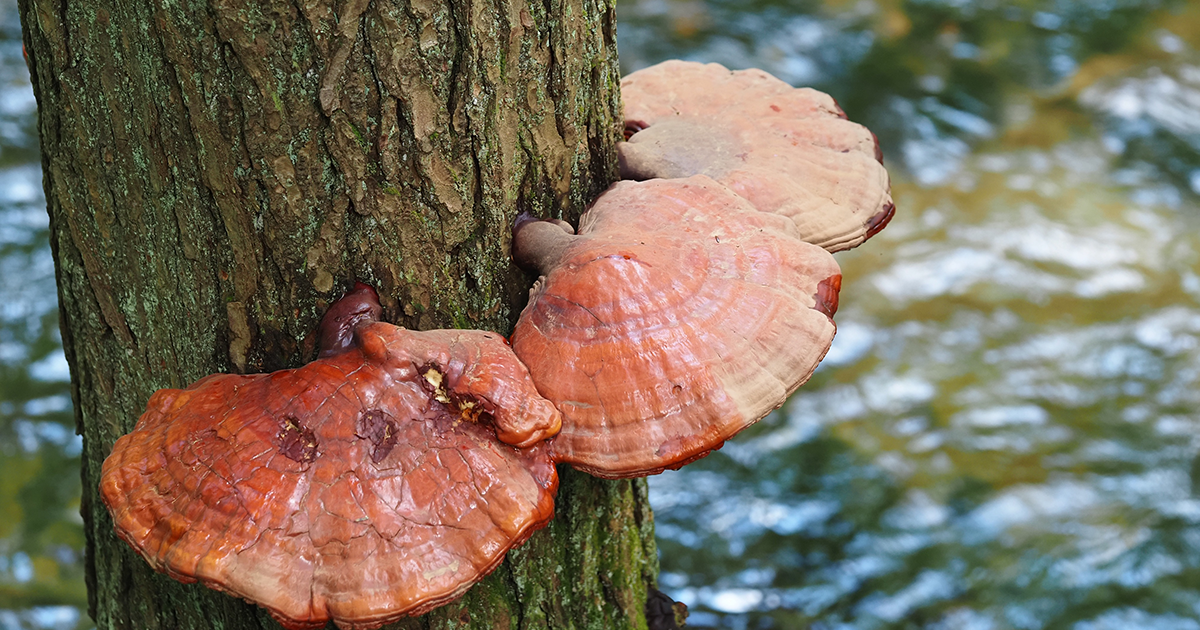
Foraging for knowledge: Mushroom clubs search for overlooked species – Bay Journal
The Vast, Unmapped Fungi Kingdom Professional mycologists face a daunting ratio in the field. Scientists estimate there are...

Oregon Zoo elephant calf is being treated for dangerous disease – OPB
Veterinary teams at the Oregon Zoo are fighting to save a young Asian elephant calf named Tula-Tu, who...
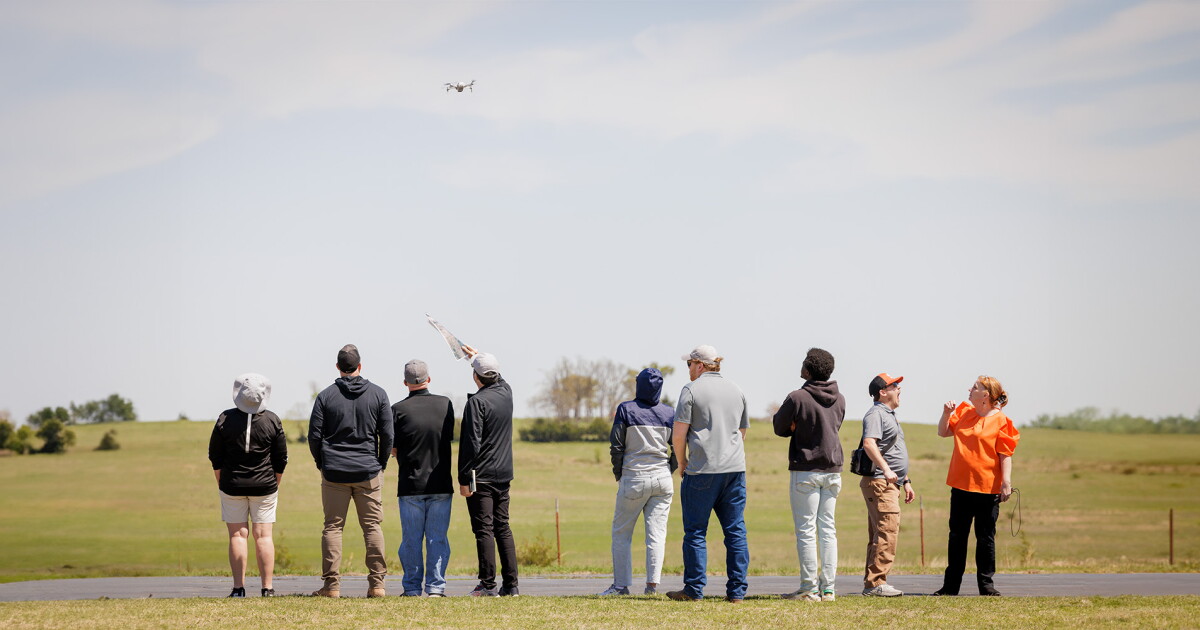
Oklahoma State University hosts second annual drone search and rescue championship
Stillwater Skies Host Student Rescue Drones High school teams from across Oklahoma are gathering at Lake Carl Blackwell...

Build a Custom Home on Your Land in Ohio – Diyanni Homes
Building a custom home across Ohio requires navigating starkly different regional landscapes, from the Lake Erie shoreline in...