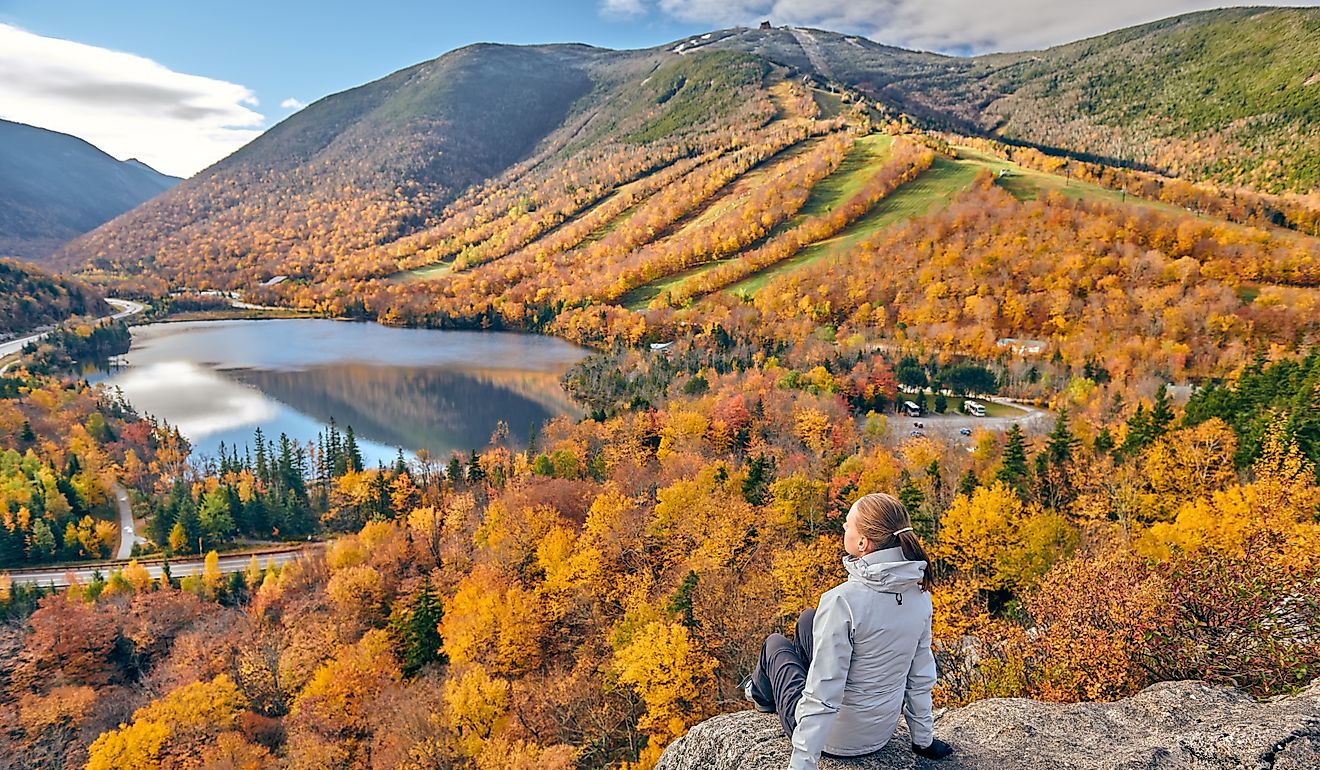
By 1989, surveys estimated that 75% of the American elm population had been lost, approximately 50-100 million trees in total.
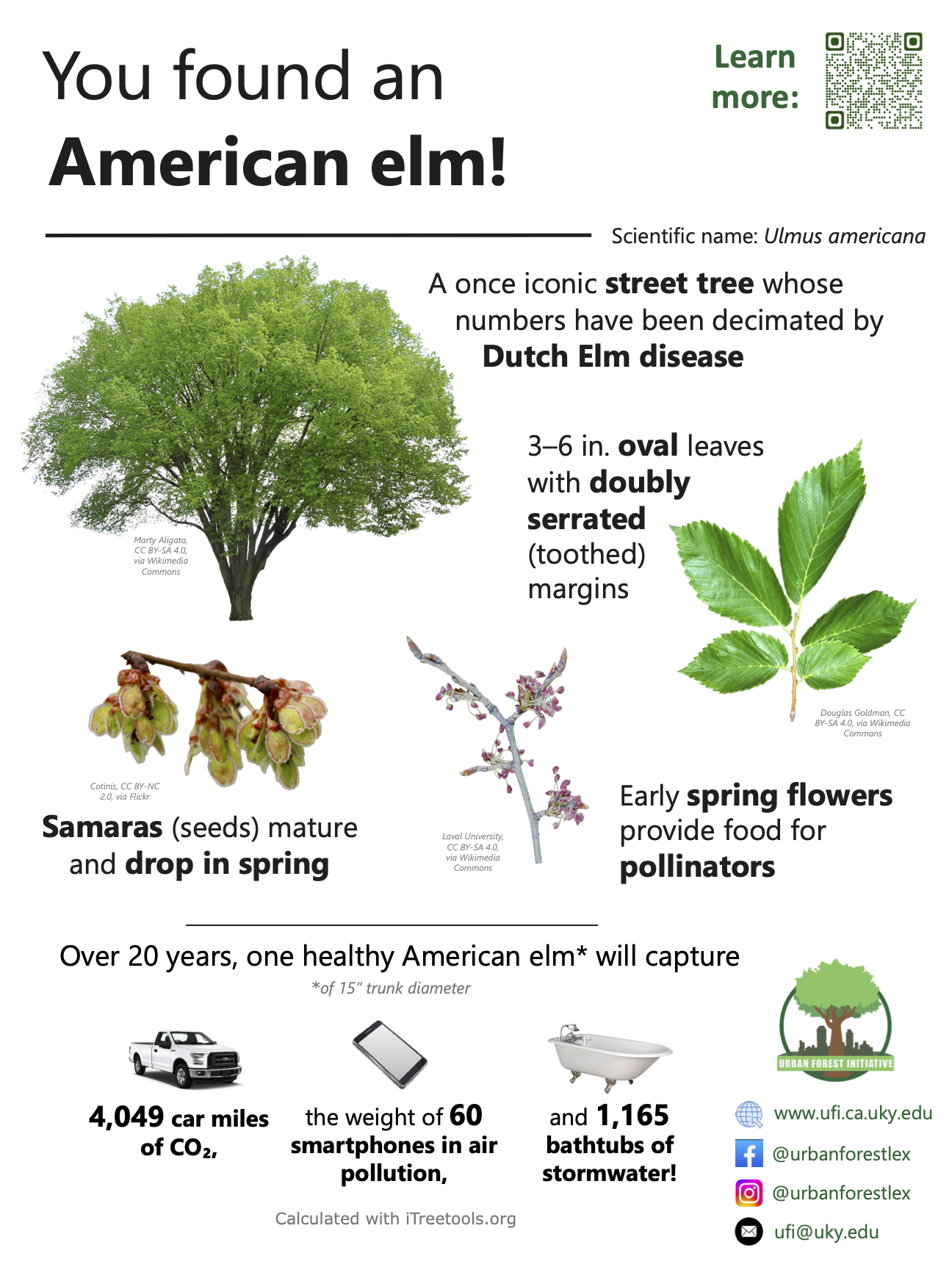
The fungus Ophiostoma novo-ulmi, first detected in the U.S. in the 1930s after originating in Japan, had already claimed more than 5,500 square miles by 1940. The American elm, a canopy-defining species native to eastern North America that can reach 100 feet with a vase-like crown, is now listed as endangered on the IUCN Red List.
Conservation programs are attempting to reverse the decline through genetic improvement and floodplain restoration. The U.S. National Arboretum in Washington, D.C., and Katahdin Woods and Waters National Monument in Maine are both part of a broader project to improve American elm genetics for disease resistance.
Green Mountain National Forest in Vermont is pursuing strategic crossbreeding to ensure future generations survive. White Mountain National Forest in New Hampshire is conserving floodplains — habitat where the elm is uniquely well-suited — as part of a broader restoration plan across 35 watersheds and 4,000 miles of streams.
Acadia National Park in Maine benefits from its position at the boundary of eastern deciduous and northern boreal forest zones. The Palisades Interstate Park Commission, established in 1900 and overseeing 24 parks across more than 150 square miles in New York and New Jersey, reports American elms across the region, including a centuries-old specimen at Wave Hill Park in New York City.
The National Arboretum, created by the National Arboretum Act on March 4, 1927, maintains a comprehensive collection of plant groups critical to American gardens and green spaces and serves as a research hub for the species' recovery.
Worth a look

NWS Forecasters Say Snow Chances Reach 40% Overnight Tonight in Central Oregon
Snow chances will reach 40% overnight tonight as a breezy and unsettled weather pattern sets up across Central...

Shasta Supervisors Vote to Put Flock Camera Ban on Ballot After Public Outcry
District 1 Supervisor Kevin Crye, who voted for the five-year, $551,000 contract with Flock Group Inc. last year,...
York Preserves Offer More Than Hiking Year-Round: Land Trust
Two York nature preserves combine for 255 acres of land located in York, Maine. The Fuller Forest Preserve...

UT Tyler Trails MSU Denver by Six With 12:27 Left in First Half, UT Tyler Athletics Reported
The Patriots trailed MSU Denver 18–12 after a fast-break layup by Adam Hackett, University of Texas at Tyler...