
More than a century after the discovery of insulin, an estimated 9.5 million people worldwide were living with type 1 diabetes in 2025, with more than 500,000 new cases diagnosed that year, according to the World Health Organization (WHO).
Even though the condition has traditionally been linked to youth and adolescence, adults account for as many as half of all cases, and unlike other leading non-communicable diseases, early deaths resulting from diabetes have kept rising over recent decades.
Marking World Diabetes Day 2026, the WHO has issued its first dedicated guidelines on the diagnosis and management of type 1 diabetes in adults, designed to apply across all environments including low-resource, emergency and humanitarian settings. Out of 14 recommendations, the WHO strongly advises that adults with type 1 diabetes receive intensified insulin therapy through multiple daily injections with doses adjusted to blood glucose values, as reported by Health Policy Watch.
Tech Times notes that human insulin—a laboratory-created medication that mimics the insulin naturally generated by the human body—serves as a suitable and effective choice, with human insulin favored primarily because it generally costs less according to Tech Times. Other types of insulin may also be used depending on individual needs and availability.

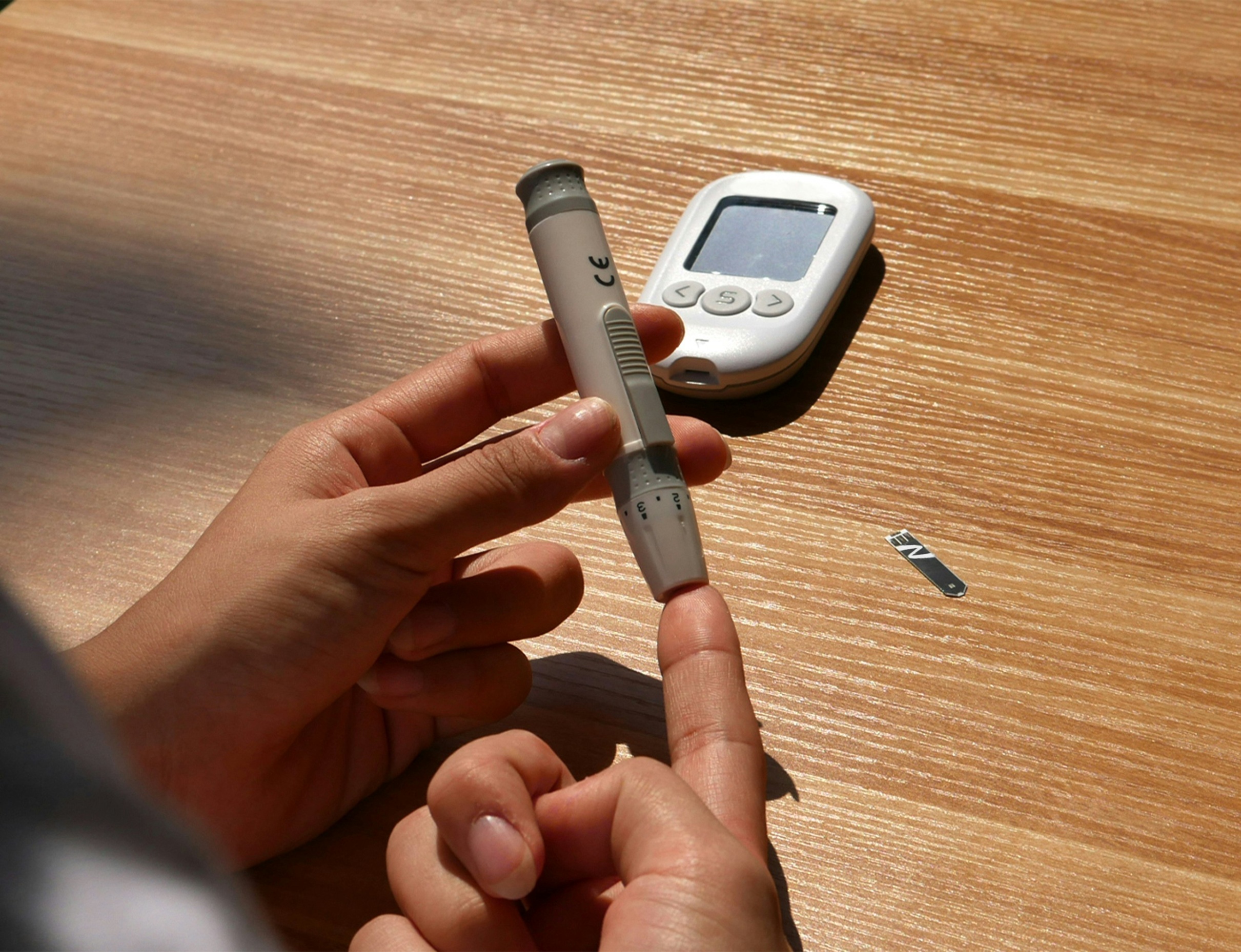
For blood glucose monitoring, the WHO recommends regular tracking to reduce complication risks. In clinical settings, this involves periodic blood tests showing average blood sugar levels over the preceding few months, while at-home monitoring can be performed using a finger prick test or a continuous glucose monitor via a small sensor worn on the skin. Where blood glucose testing is unavailable, urine glucose testing can be considered.
The publication aims to support health care providers, policymakers, and humanitarian organizations in addressing global access inequities, particularly in fraught emergency settings where interrupted supply chains, unreliable refrigeration, and limited health worker experience can turn diabetes care into a life-or-death situation. By 2030, this fresh strategy aligns with WHO objectives aimed at guaranteeing that every individual with type 1 diabetes gains entry to inexpensive insulin alongside self-monitoring tools for blood glucose.
Médecins Sans Frontières and T1International criticized the guidelines over a double standard regarding insulin delivery formats, noting that while patients in wealthy nations predominantly use analog insulin pens, low- and middle-income countries rely more heavily on human insulin provided in vials. Tech Times also reported that major manufacturer Novo Nordisk is phasing out human insulin pens to sell that insulin exclusively in vials.
The World Health Organization, established on 7 April 1948 as a specialized agency of the United Nations, coordinates international responses to public health emergencies from its headquarters in Geneva. It incorporated the assets and duties of the League of Nations’ Health Organization and the Office International d’Hygiène Publique, including the International Classification of Diseases. The agency’s work began in earnest in 1951 after a significant infusion of financial and technical resources.
Comprising 193 member states, the WHO is the largest intergovernmental health organization at the international level. It played a leading role in the eradication of smallpox and the near-eradication of polio, and its current priorities include non-communicable diseases such as heart disease and cancer alongside communicable diseases like HIV/AIDS and tuberculosis.
“Ultimately, the goal is simple: to help ensure that everyone living with type 1 diabetes can access quality, lifesaving care, wherever they live,” said Dr Bianca Hemmingsen, technical lead for WHO’s Diabetes Programme, in a statement to Health Policy Watch.

Long Sleep Tied to 50% Higher Mortality Risk in Adults With Heart Disease
Adults diagnosed with heart disease who sleep nine hours or more each day face a roughly 50% higher...

Mosque Set Ablaze in Northern Israel; Arab Lawmakers Blame Netanyahu Incitement
Three masked individuals threw a Molotov cocktail inside a mosque in northern Israel early Thursday, leaving the building...

NEJM Report Details Measles Risks for Pregnant Women in US
The United States has officially lost its measles elimination status after 26 years, a shift shown by a...

High Court Rules Pay Equity Overhaul Discriminates Against Women
The New Zealand High Court has delivered a landmark finding, declaring that the coalition government’s 2025 overhaul of...